Choosing a Foldable Bicycle Repair Stand is not just a question of finding the lightest model. The stand must hold your bike steadily, fit your workspace, and fold away without a struggle. A compact stand can be useful in a small garage or apartment, but compact does not always mean stable. Small details matter.
Start by checking the stand’s stated load limit and clamp design. Compare those details with your bicycle’s weight, frame shape, and the repairs you expect to do. A secure clamp should hold the bike without crushing or scratching the frame; adjustable height can also reduce strain when you work on brakes, gears, or wheels. Look closely at the legs and base, too. On an uneven floor, a narrow footprint may wobble. Check the product specifications rather than relying on appearance alone.
Portability deserves a closer look. Note the folded dimensions, total weight, locking points, and how easily the stand opens and closes. If you plan to carry it to rides or events, a few extra pounds can become noticeable. If it will stay in a workshop, stability may matter more than minimal weight. I would not choose by weight alone; it seems convenient, but it misses the point. No stand is perfect. The right choice depends on your bike, your available space, and the jobs you actually perform. Before buying, compare manufacturer guidance and consider whether the stand will support your setup safely.
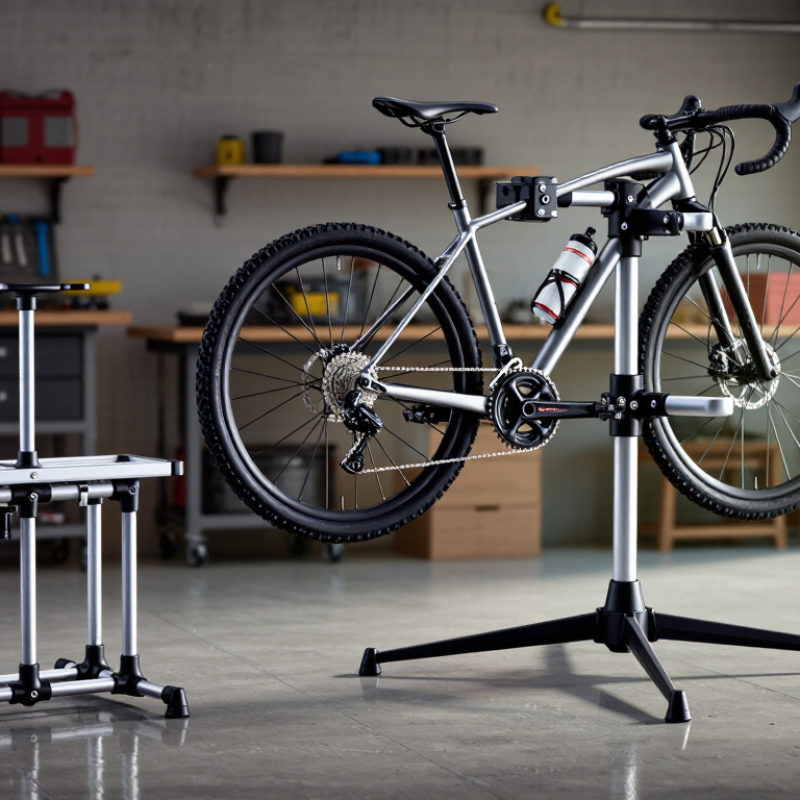
Before choosing a foldable repair stand, identify your bicycle’s basic structure. Measure the wheel size, frame shape, and total weight. A compact city bicycle needs different support than a heavy electric model. Check whether the frame uses carbon fiber, aluminum, or steel. Some materials require gentler clamping pressure.
Inspect the areas you usually repair. Chain cleaning needs steady access to the drivetrain. Brake adjustment needs a clear view of the calipers and cables. Tire replacement may require the wheels to spin freely. A height-adjustable stand helps reduce back strain during longer repairs. For heavier bicycles, verify the stand’s load rating and base width. Stability matters more than a tiny folded size.
I once chose a lightweight stand for a travel bicycle. It folded neatly, but its narrow feet moved during gear adjustment. That mistake changed my buying process. Now, I test the clamp range, locking mechanism, and leg stability before considering portability. A soft clamp surface is useful, but it must hold the frame without crushing cables or painted tubes. Some folding stands feel strong at first and loosen after repeated use. Check replacement parts, instructions, and maintenance guidance from reliable sources. If the bicycle has unusual tubing or a battery, use the manufacturer’s repair guidance before clamping it. The perfect stand may not exist. Your repair habits should guide the compromise.
After servicing bicycles in small workshops and apartment hallways, I prefer foldable stands with stable, independent adjustments. The European Bicycle Industry and Market Profile 2023 reported about 20.4 million bicycles sold in Europe during 2022. More bicycles also mean more home maintenance. A stand should support that reality without occupying half the room.
Compare the folding mechanism first. A tripod design usually spreads weight well, while a two-leg design stores more easily against a wall. Check the hinge for a positive locking pin, not only friction. The base should remain firm when a wheel is removed. A rotating clamp is useful for cable routing and brake alignment. Height adjustment should move smoothly, with visible markings and a secure collar. Quick-release controls save time, but they can loosen through repeated use. I still misjudge this sometimes.
Look for a clamp opening wide enough for common frame tubes, with padded contact surfaces. Avoid clamping thin, fragile sections such as unsupported seatpost extensions. The International Mountain Bicycling Association’s 2023 participation report described continued growth in recreational cycling, suggesting more riders may perform repairs themselves. That makes clear instructions valuable. A foldable stand rated for the bicycle’s actual weight is safer than one chosen only for low price. Test it with gentle side pressure. It should not creep, twist, or collapse. Tiny details matter.
How to Choose a Foldable Bicycle Repair Stand?
Check the stand’s weight capacity against your bicycle’s total weight, including accessories. A rear rack, child seat, or heavy battery can change the load noticeably. Do not rely on a close match. Leave a sensible margin, and check whether the stated limit applies to the whole stand or just its clamp. The manual should make this clear.
Stability matters when you turn pedals or loosen a tight bolt. Look for a wide base, firm locking joints, and feet that grip your floor. On uneven ground, even a sturdy stand can wobble. Set it up fully before lifting the bicycle, then press gently on the frame to spot movement. A small test helps.
Check frame compatibility before buying. Clamp shapes and jaw padding vary, and some designs may not suit unusual tubes, delicate finishes, or certain frame layouts. The clamp should hold a suitable section without crushing cables or pinching thin tubing. If you are unsure, consult the bicycle maker’s care guidance or ask a qualified mechanic. Fold and unfold the stand once, too. It may take more effort than expected. Foldable does not always mean easy to store; measure the space beside your workbench and check the folded dimensions.
A foldable repair stand should fit the way you actually work, not just look compact in a product photo. PeopleForBikes reported that 112 million Americans rode a bicycle in 2022, suggesting many households may need practical maintenance space. Yet a stand that folds neatly can still be awkward if its legs spread across a narrow hallway. Measure your storage corner and setup area before choosing. Check the folded length, width, and weight, then picture carrying it up stairs or loading it beside a bike. A few extra pounds matter when you move it often.
Setup details affect daily use. Look for a clamp that opens smoothly, adjusts without tools, and holds the frame securely without twisting. If you repair bikes alone, test whether you can raise the clamp and position the bike without a struggle. Stability matters. A wider base may feel reassuring, but it can block drawers or walkways in a small room. For occasional home work, quick folding may be worth more than maximum height adjustment; for longer repairs, comfortable working height can reduce bending. Manufacturers’ measurements are useful, but they do not show how a stand feels in your space. I would leave room for one imperfect reality: the stand may be easy to fold, yet annoying to pack when its clamp catches on nearby gear.
How to Choose a Foldable Bicycle Repair Stand?
Choose materials and features that match your budget, bike, and storage space. Steel stands often cost less and feel stable, but they can be heavy to carry. Aluminum models are usually lighter, though sturdy construction still matters more than the material name alone. Check the stand’s stated load capacity against your bicycle’s weight, especially if you ride an e-bike. A wide base, secure leg locks, and a clamp that grips without crushing cables are practical features. Fancy adjustments are useful, but only if you will use them.
Tips: Open and fold the stand before buying, if possible. Look for smooth hinges and locking parts that do not wobble. Check whether the clamp rotates and adjusts to your frame shape. A small parts tray can prevent dropped bolts from rolling across the floor. No tray? A bowl works.
Set a realistic budget by separating essentials from conveniences. Spend on dependable clamps and stable legs before accessories. If you repair bikes only occasionally, a basic stand may be enough. Frequent home maintenance can justify smoother height adjustment and easier storage. Read the manual and inspect the joints periodically; even a well-made stand can loosen with use. I once assumed lighter meant better, but carrying it mattered less than how firmly it held the bike. Your priorities may differ.
Check your bicycle’s full weight, including accessories like a rear rack, child seat, or battery. Leave a safety margin. Confirm whether the limit applies to the entire stand or only its clamp.
Look for a wide base, locking joints, and grippy feet. Set it up fully, then gently press the frame before lifting your bicycle. A small test helps.
No. Clamp shapes and padding vary. Check that the jaws hold a suitable frame section without crushing cables or pinching thin tubing. Delicate finishes may need extra care.
Check the bicycle’s care guidance or ask a qualified mechanic. A clamp that seems secure can still cause damage.
Measure the folded length and width, then check the weight. Picture carrying it upstairs or fitting it beside a workbench. A few extra pounds matter.
Not always. The legs may spread across a narrow hallway, or the clamp may catch on nearby gear. Measure your storage corner first.
A smoothly opening clamp that adjusts without tools can make positioning easier. Test whether you can raise the clamp and secure the bicycle without struggling.
It depends on your space and repair habits. A wide base can block drawers, while comfortable working height may reduce bending during longer repairs. No perfect choice.
Choosing a Foldable Bicycle Repair Stand starts with understanding your bicycle and the work you plan to do. Consider the bike’s frame shape, weight, and typical maintenance tasks, then compare stand designs and adjustment options. A model with flexible height and clamp positioning can make repairs more comfortable, while a secure, frame-compatible clamp helps protect the bicycle during use.
Next, check the stand’s weight capacity and stability, especially if you work with a heavier bicycle. Think about how easily it folds, how much it weighs, and whether its folded size suits your transport and storage space. Finally, compare materials and useful features against your budget. The right choice balances dependable support, straightforward setup, portability, and durability without paying for extras you are unlikely to need.