Core Engineering: High-Torque Multi-Segment Cycling Solutions
Direct manufacturer selection spanning precision inflators, ergonomic cockpit assemblies, sealed hubs, and lightweight carbon integration for international retail and OEM procurement.
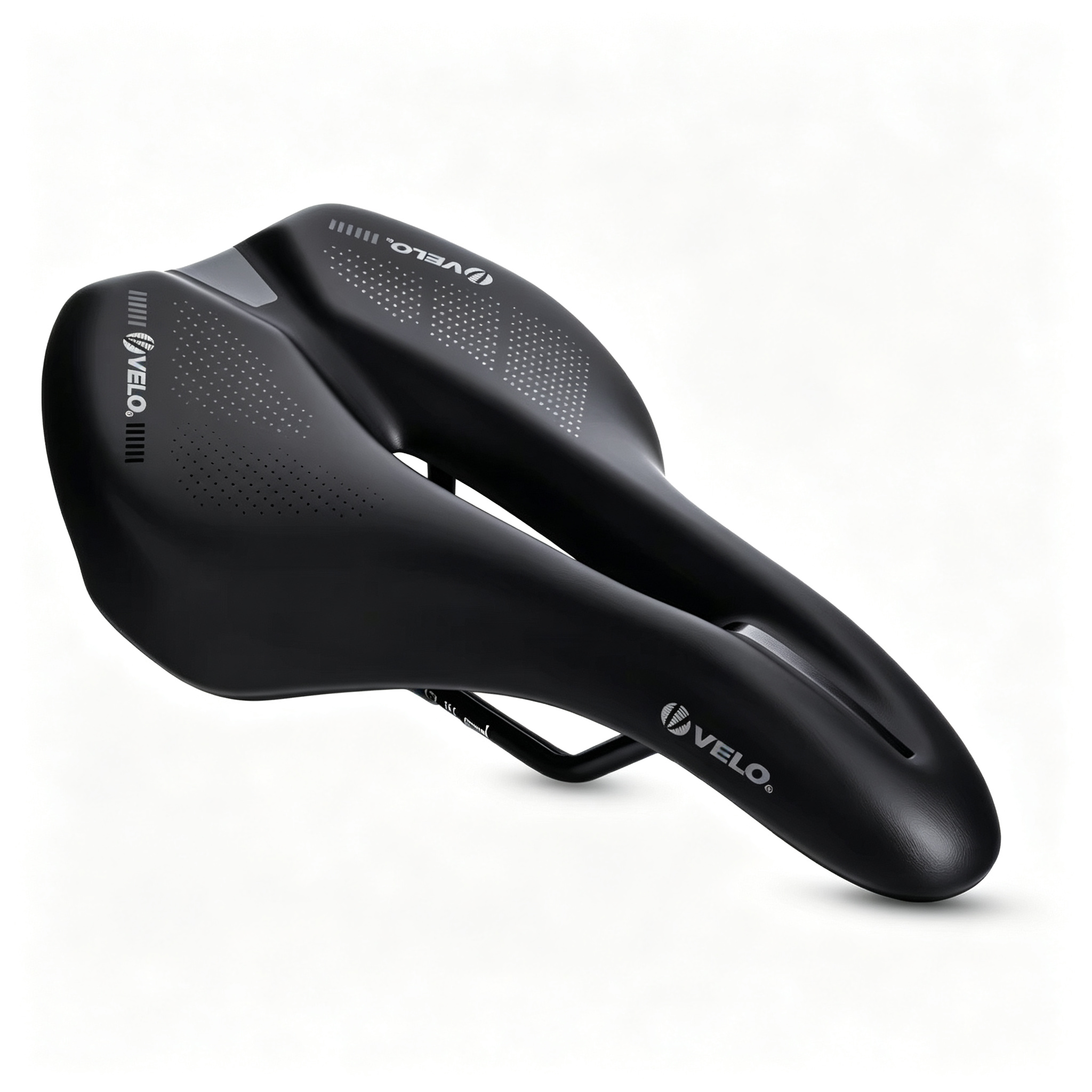
Comfort Hollow Safety Ventilation Bicycle Saddle PU
Explore Specifications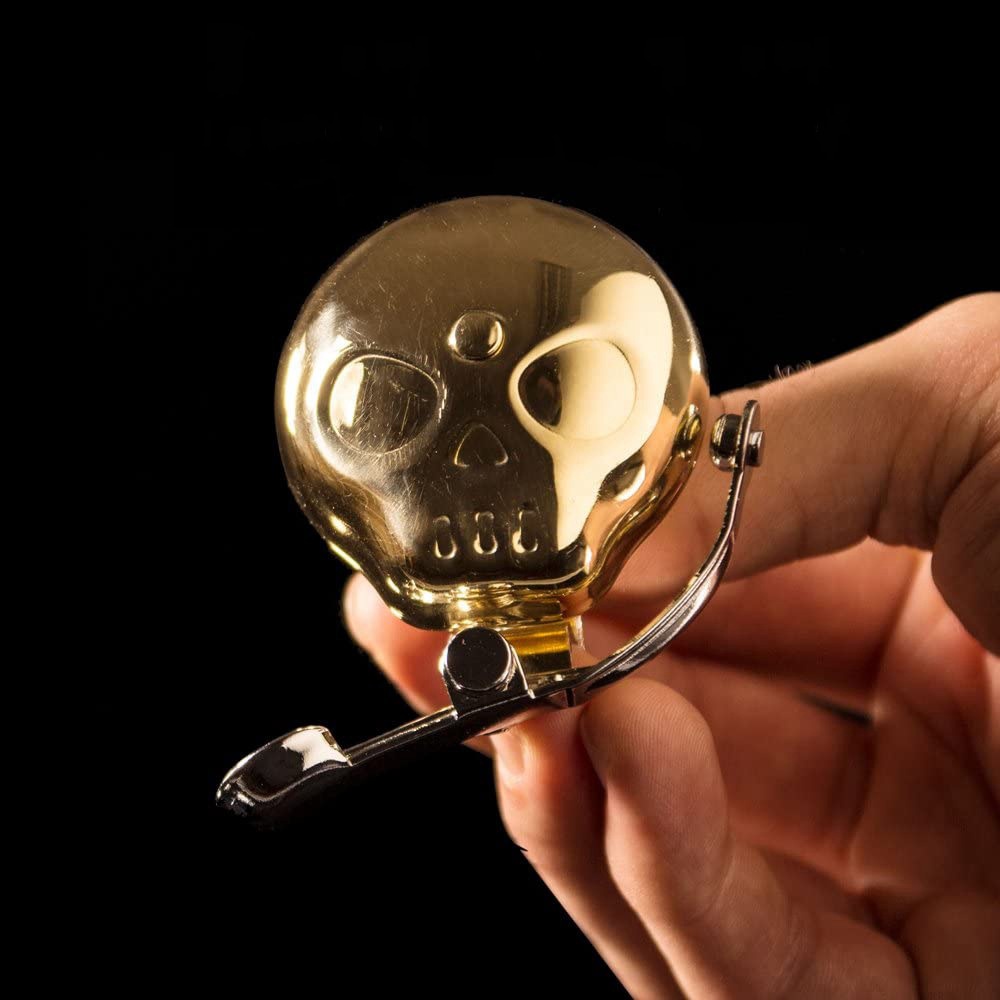
Retro Commuter Copper Solar Horn Warning Bell
Explore Specifications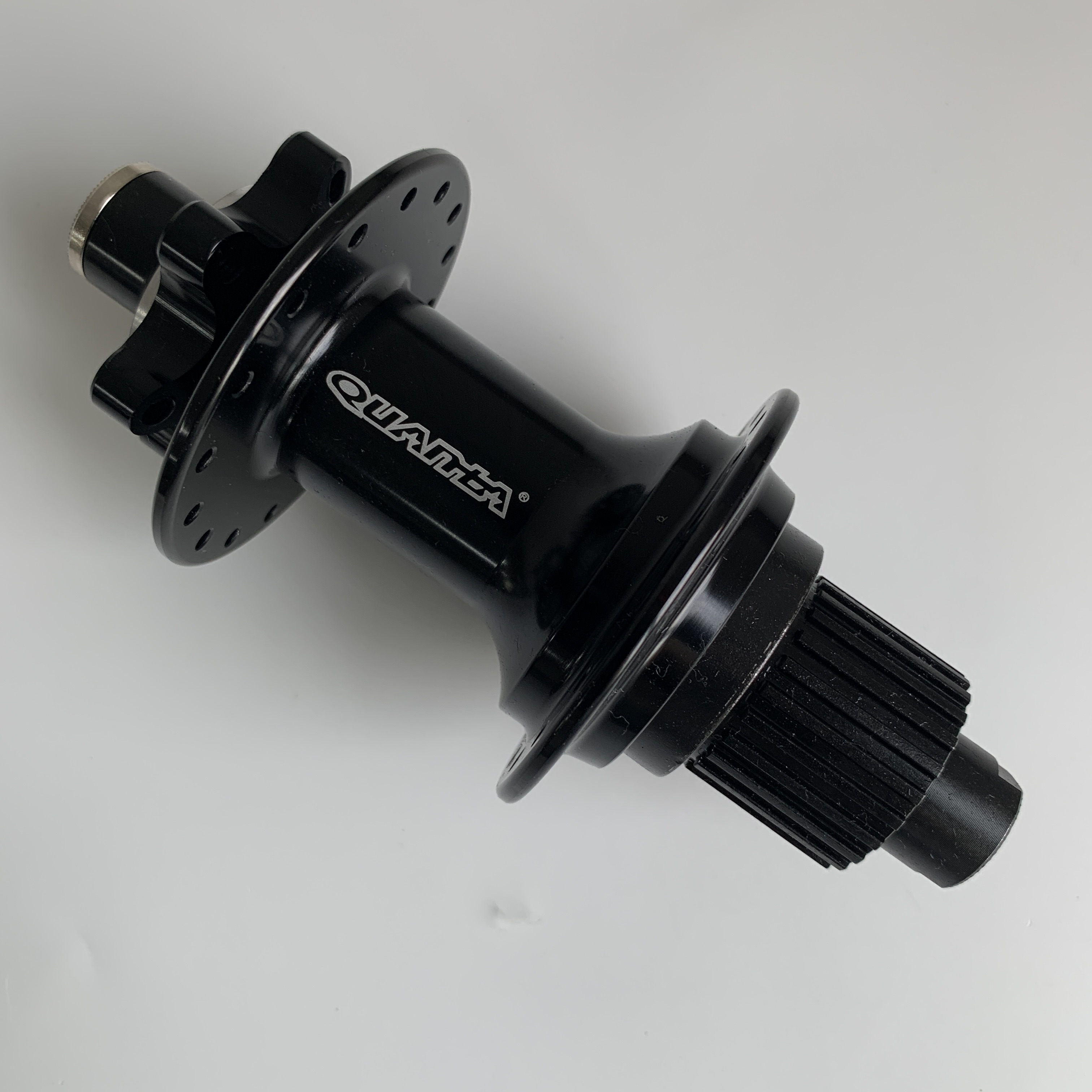
QUANTA KT-H5ER 148mm 5-Bearing E-MTB Rear Hub
Explore Specifications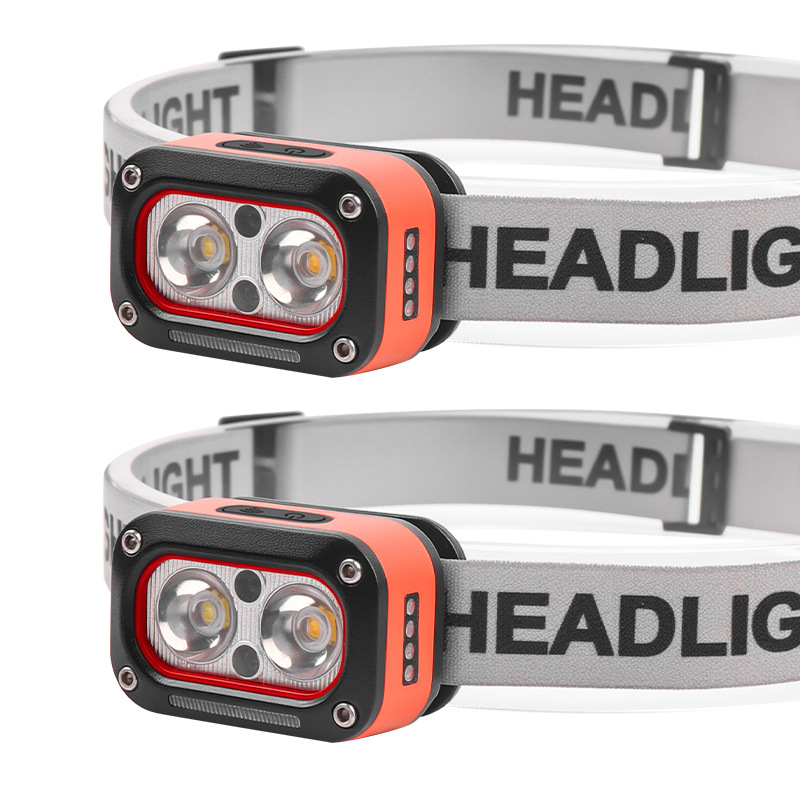
Super Bright Smart Optical Sensor LED Headlamp
Explore Specifications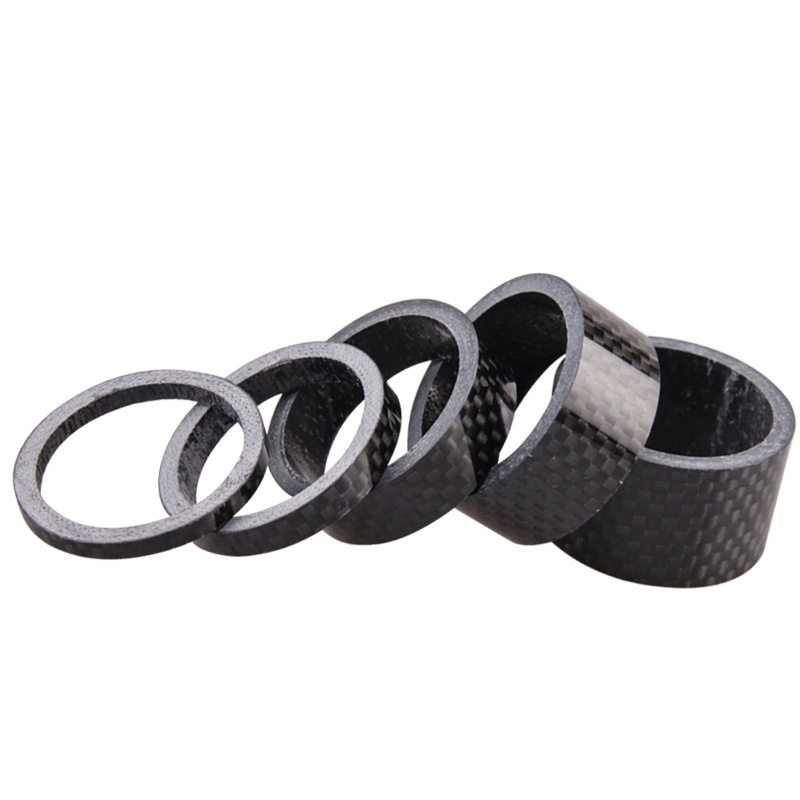
3K High-Modulus Carbon Fiber Headset Spacer Kit
Explore Specifications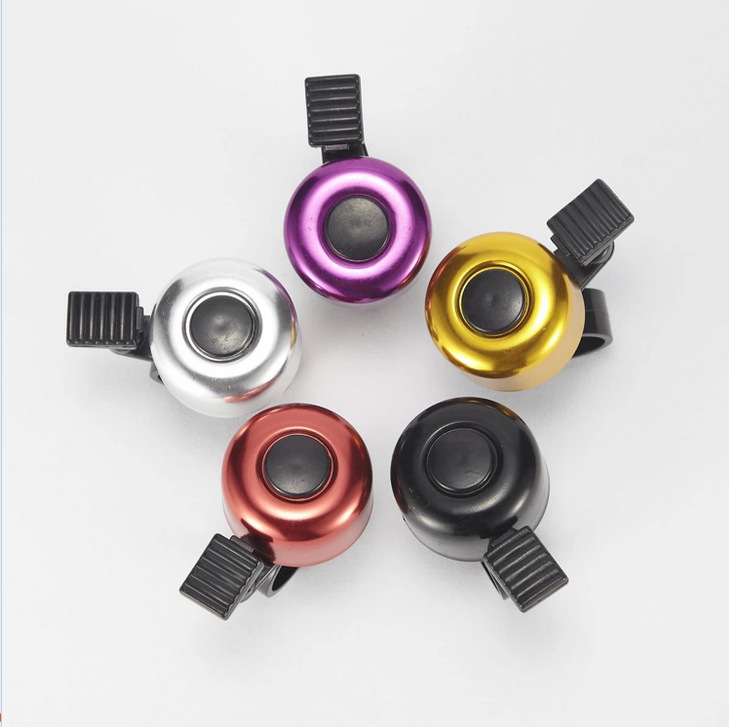
Impact-Resistant Aluminum CNC Strike Bell
Explore Specifications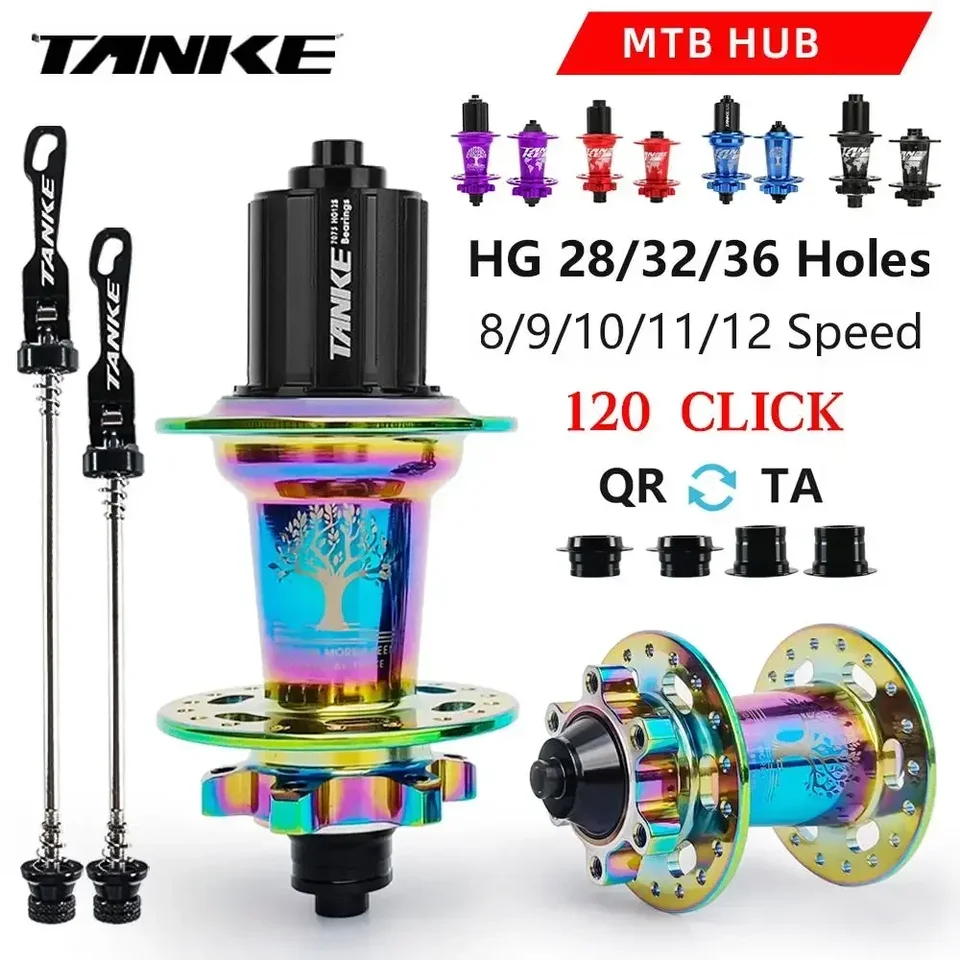
TANKE High-Engagement 120-Click 6-Pawl MTB Hub
Explore Specifications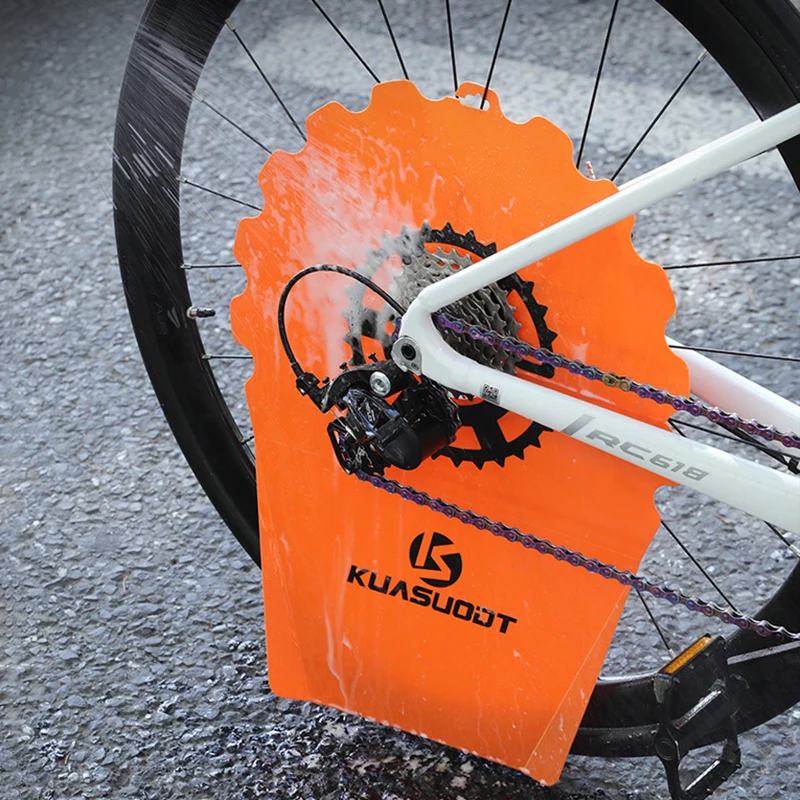
Disc Brake Rotor Anti-Oil Shield & Washing Protector
Explore SpecificationsB2B Sourcing Trajectory: Intelligent Micro-Pumps & Electric Integration
Critical structural and market shifts reshaping how international brands source and deploy rechargeable bicycle compressors.
Battery Density & Cell Chemistry
The global shift toward high-energy cylindrical lithium-ion cells (such as 18650 and 21700 formats) has permanently displaced bulky multi-cell battery packs. Buyers demand high C-rate discharge capabilities able to drive micro motors under continuous back-pressure.
- Integrated Battery Management Systems (BMS) with over-voltage and thermal throttling
- USB Type-C Power Delivery (PD) protocols allowing cross-compatibility with e-bike battery banks
- Low standby parasitic drain (<15μA) to guarantee 12-month shelf life without cell inversion
Tubeless High-Flow Delivery
With road, gravel, and modern trail mountain bikes universally transitioning to tubeless configurations, inflator performance is no longer measured solely by terminal PSI, but by initial flow displacement rate (CFM) necessary to seat bead locks instantly.
- Dual-stage internal pistons: High-volume displacement switching to high-pressure compaction
- Optimized heat dissipation manifolds preventing seal deformation at continuous 120+ PSI cycles
- Threaded Presta and Schrader couplers with built-in core depressors preventing air blowback
E-Mobility Fleet Integration
Urban micro-mobility operators and cargo e-bike fleet managers require heavy-duty portable compression tools. This has catalyzed bulk purchasing shifts toward ruggedized drop-proof casings, IPX5 environmental sealing, and localized pressure calibration profiles.
- Programmable target thresholds for precise E-Cargo high-pressure rear tires
- Drop resistance ratings up to 1.5m via interior elastomer suspension cradles
- Comprehensive customs safety compliance including UN38.3, MSDS, and maritime battery certifications
Technical Benchmark: Mini Electric Compressor vs. Traditional Inflation
Empirical laboratory data reflecting thermal regulation, pressure ceiling, and maintenance intervals for professional cycling equipment importers.
| Performance Attribute | CE Smart Rechargeable Pump (Harke OEM) | Traditional Hand/Frame Pump | Disposable CO₂ Cartridge Systems |
|---|---|---|---|
| Maximum Sustained Pressure | 150 PSI / 10.3 BAR (Digital auto-stop) | 80–100 PSI (Manual fatigue threshold) | 120 PSI (Unregulated rapid discharge) |
| Pressure Setting Precision | ±1% Digital Barometric Sensor | Analog Dial (±5–10% reading error) | No precision feedback (Guesswork) |
| Thermal Management | CNC Aluminum Heat-Sink + Fan Ducting | N/A (Friction heat on dry piston rings) | Extreme freezing (Freezing valve risks) |
| Tubeless Seating Capability | High-flow burst chamber configuration | Insufficient displacement volume | High (One-time expenditure, non-reusable) |
| Logistics & Safety Compliance | CE, RoHS, FCC, UN38.3, MSDS Complete | Standard Non-Hazardous | Class 2.2 Compressed Gas (Hazmat freight) |
Why Global Brands Source with Harke (Shenzhen) Technology
Positioned directly within the Pearl River Delta cycling innovation hub, delivering tight quality control, high-precision machining, and frictionless supply chains.
Verified Physical Capacity
1,000–3,000 m² advanced manufacturing facility in Xinqiao Subdistrict, Shenzhen. Complete in-house validation testing from incoming raw aluminum inspection to pneumatic pressure-drop life testing.
Full CE & Battery Certification
Every rechargeable unit meets strict European conformity: EMC Directives, Low Voltage Directives, battery UN38.3 test summaries, and comprehensive MSDS documentation for smooth port clearance.
Flexible Tiered MOQs
Lowering the barrier for rapid market entry: stock products start at 5–10 units, while customized laser branding, specific anodized colorways, and bespoke gift-box packaging start at scalable commercial batches.
≤4-Hour Engineering Support
Our technical export department provides direct OEM feasibility analysis, rapid tooling assessments, and continuous tracking with a recorded 97.41% inquiry conversion response index.
Frequently Asked Questions: Industrial Pump Sourcing & Compliance
Direct answers for purchasing directors, supply chain controllers, and wholesale bike brand managers.
What specific CE testing standards apply to your rechargeable pumps?
Our electric bicycle pumps are evaluated under the Electromagnetic Compatibility (EMC) Directive 2014/30/EU and the RoHS Directive 2011/65/EU. For integrated lithium battery cells, comprehensive UN38.3 testing reports (including thermal shock, altitude simulation, vibration, external short circuit, and overcharge) along with current Material Safety Data Sheets (MSDS) are provided with every bill of lading.
How does the factory prevent cylinder wear under continuous high-pressure cycles?
We utilize precision CNC-machined 6061-T6 aluminum alloy cylinders hard-anodized to 25μm depth, combined with imported PTFE composite piston rings. This configuration maintains lubricity without dry-grease contamination and resists thermal expansion up to 130°C, ensuring sustained operation through repeated 120–150 PSI inflation cycles without catastrophic pressure drop.
What are the minimum order quantities (MOQ) for custom private labeling?
For standard baseline stock hardware, our MOQ is as accessible as 5 to 10 units. For full OEM customization—incorporating laser-etched private branding, custom anodized body tubes (Pantone matched), localized multilingual firmware interfaces, and bespoke retail packaging—the MOQ is typically 500 to 1,000 units depending on the custom tooling scope.
How do you manage international ocean and air freight for lithium-powered devices?
Lithium-powered items fall under Dangerous Goods categories (UN3481, Lithium-ion batteries contained in equipment). Harke holds all current air/sea transport conditions appraisals from accredited CNAS testing bodies. We regularly execute shipping under FOB, EXW, DDP, and DDU incoterms, partnering with forwarders certified in compliant DG cargo handling to prevent port impoundment.