Navigating the Global Rear Bike Fender Supply Chain
In the contemporary cycling market, the rear bike fender has evolved from a simple plastic attachment into a sophisticated accessory that requires precision engineering, aerodynamic consideration, and material durability. For B2B importers, selecting the right factory is no longer just about price—it’s about information gain and supply chain reliability.
This report distills industry expertise to provide you with a framework for evaluating top-tier manufacturing partners. Whether you are stocking for MTB, urban commuters, or the growing e-bike sector, understanding the nuances of injection molding, composite materials, and rapid-release mounting systems is crucial for your brand's authority.
Future Procurement Trends in Cycling Accessories
Integration with Smart Lighting
The convergence of safety features is the next frontier. Factories now favor rear fenders with integrated LED tracks, requiring expertise in both thermoplastic production and circuit board integration.
E-Bike Specific Design
Increased weight and speed in e-bikes demand high-torque mounting points. Procurement should focus on factories capable of metal-reinforced attachment points.
Sustainable Recycled Polymers
Environmental compliance is becoming a major retail prerequisite. Leading suppliers are shifting to closed-loop manufacturing using 100% recycled industrial plastics.
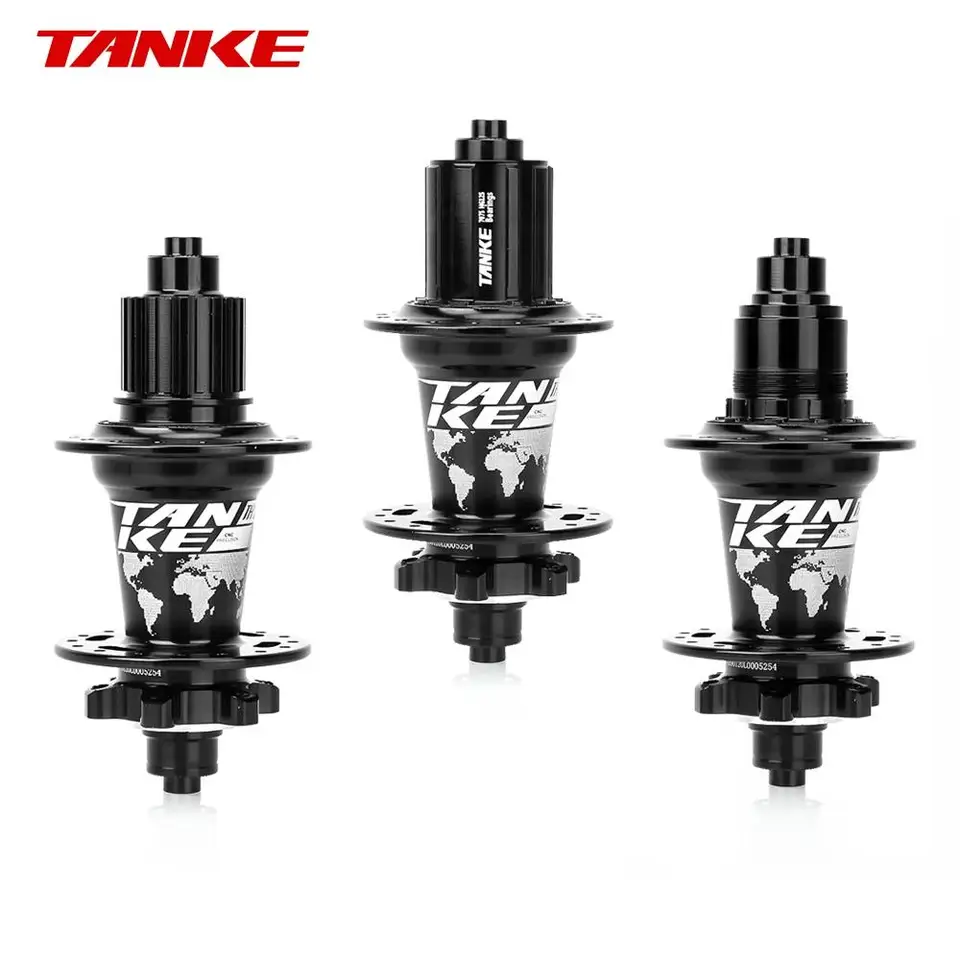
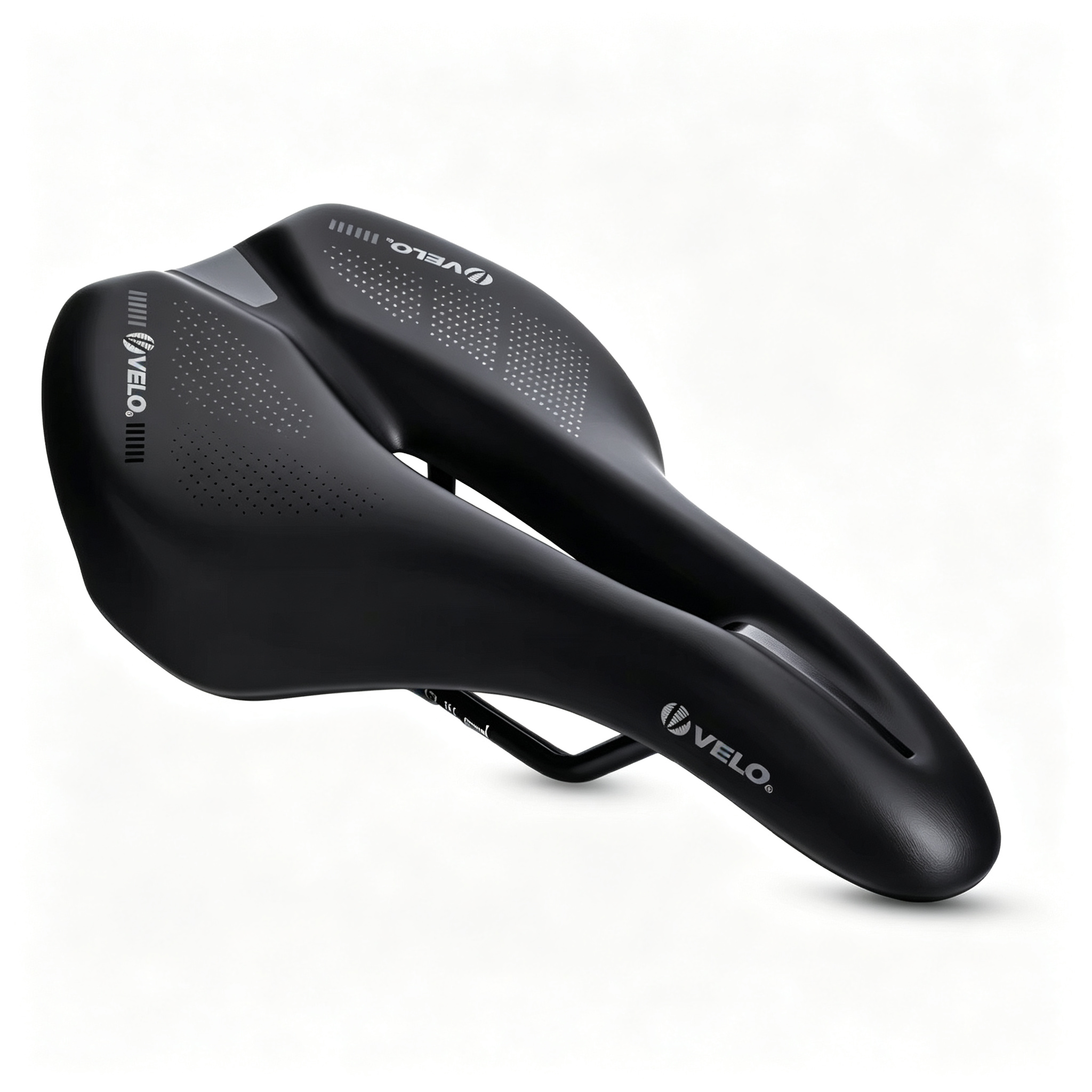
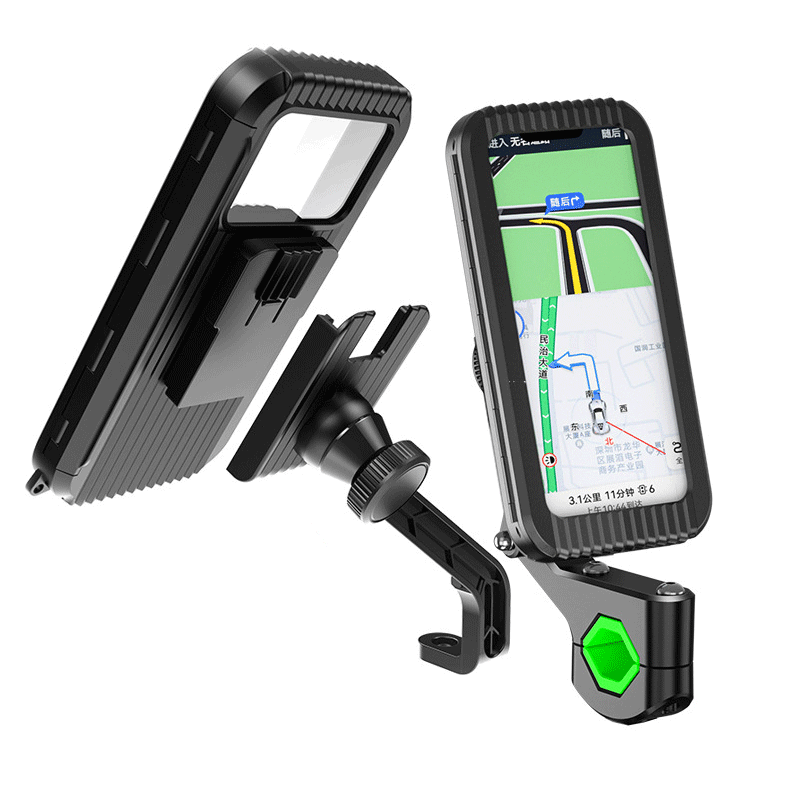
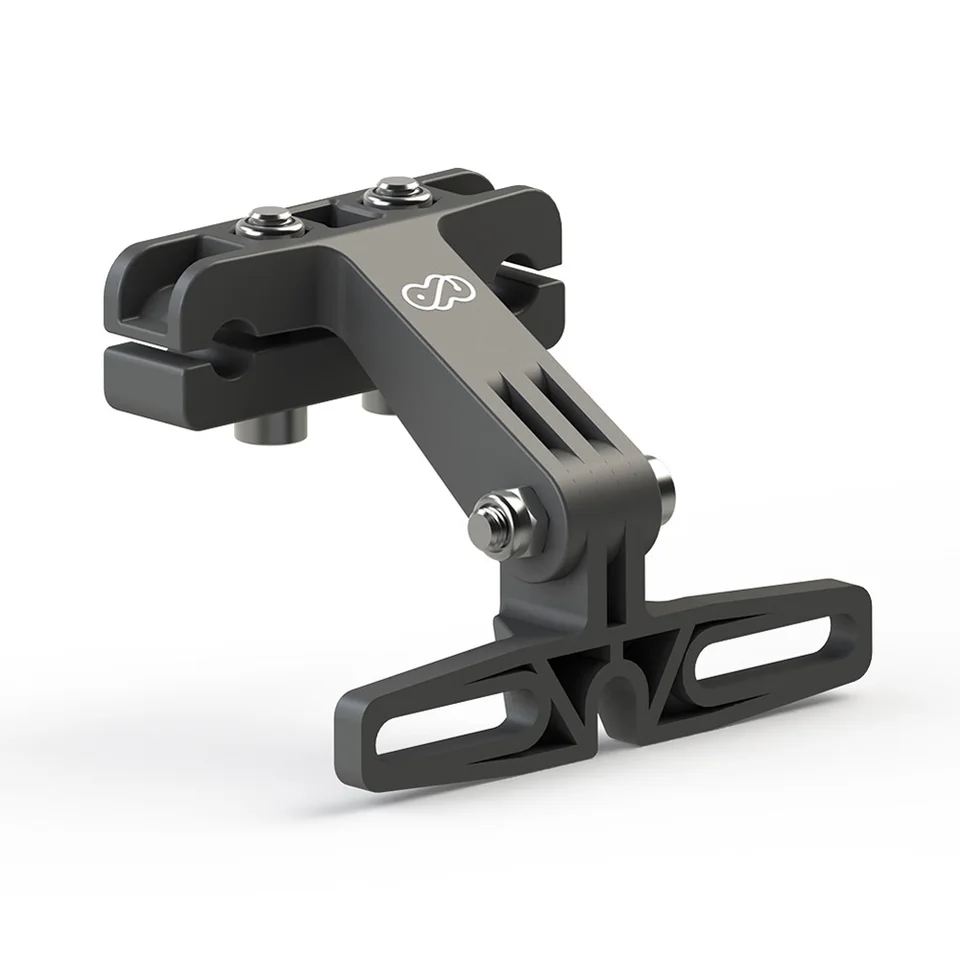
Top 8 Recommended Products
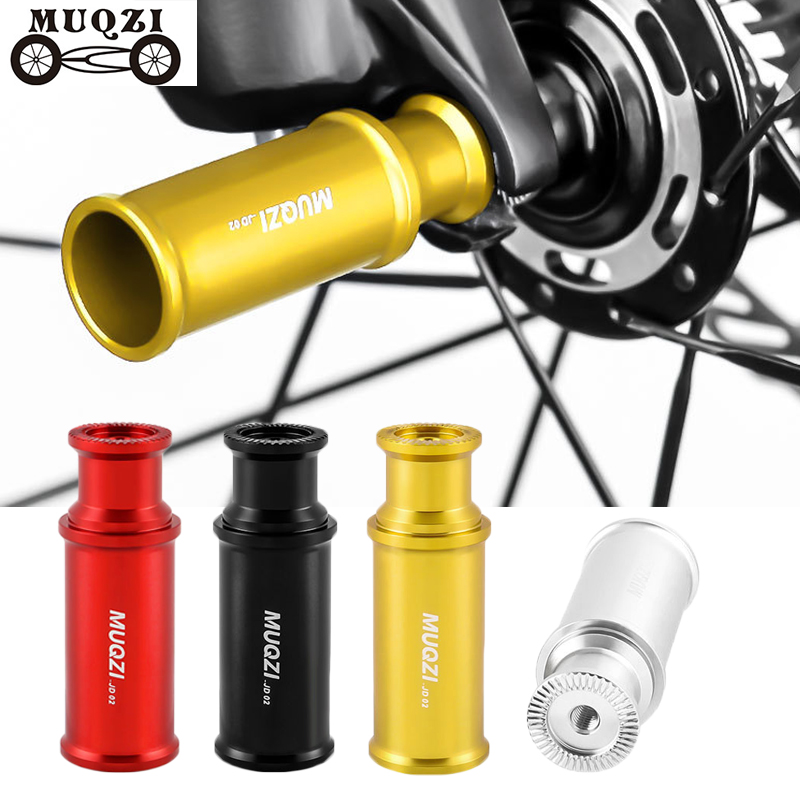
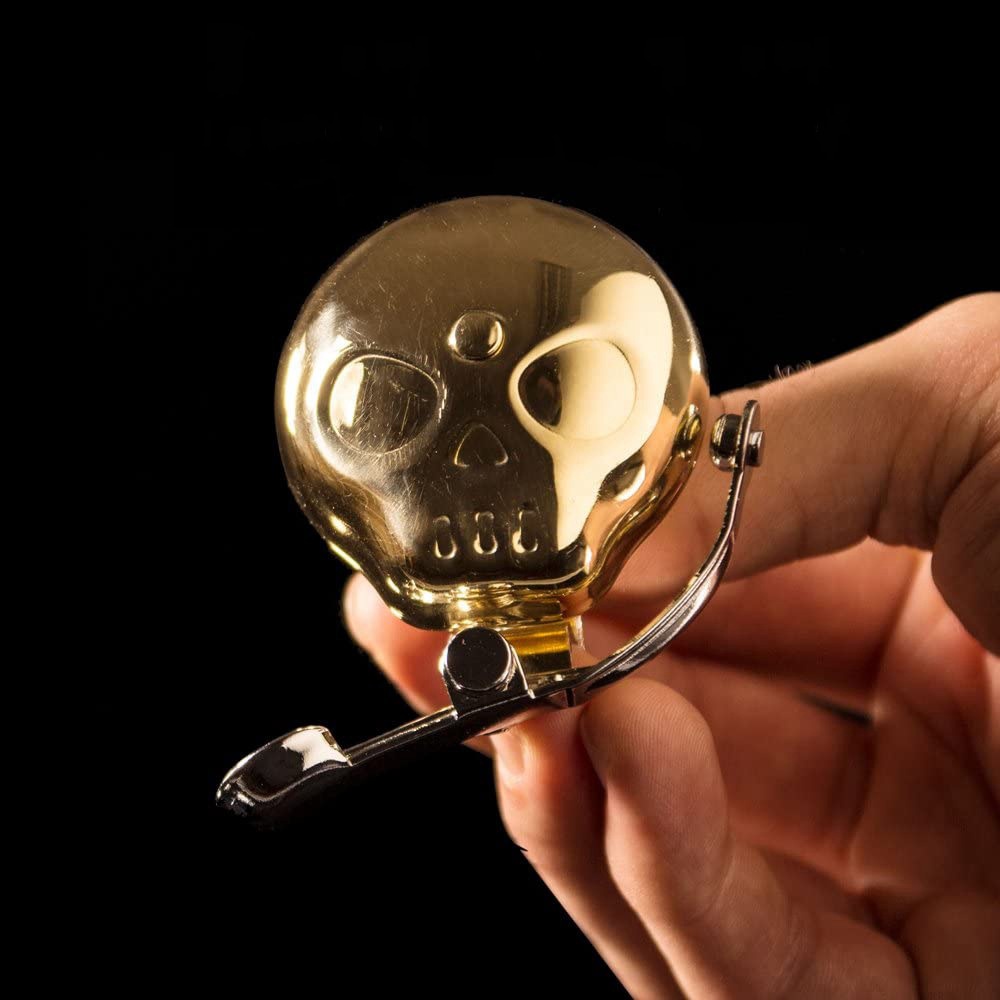
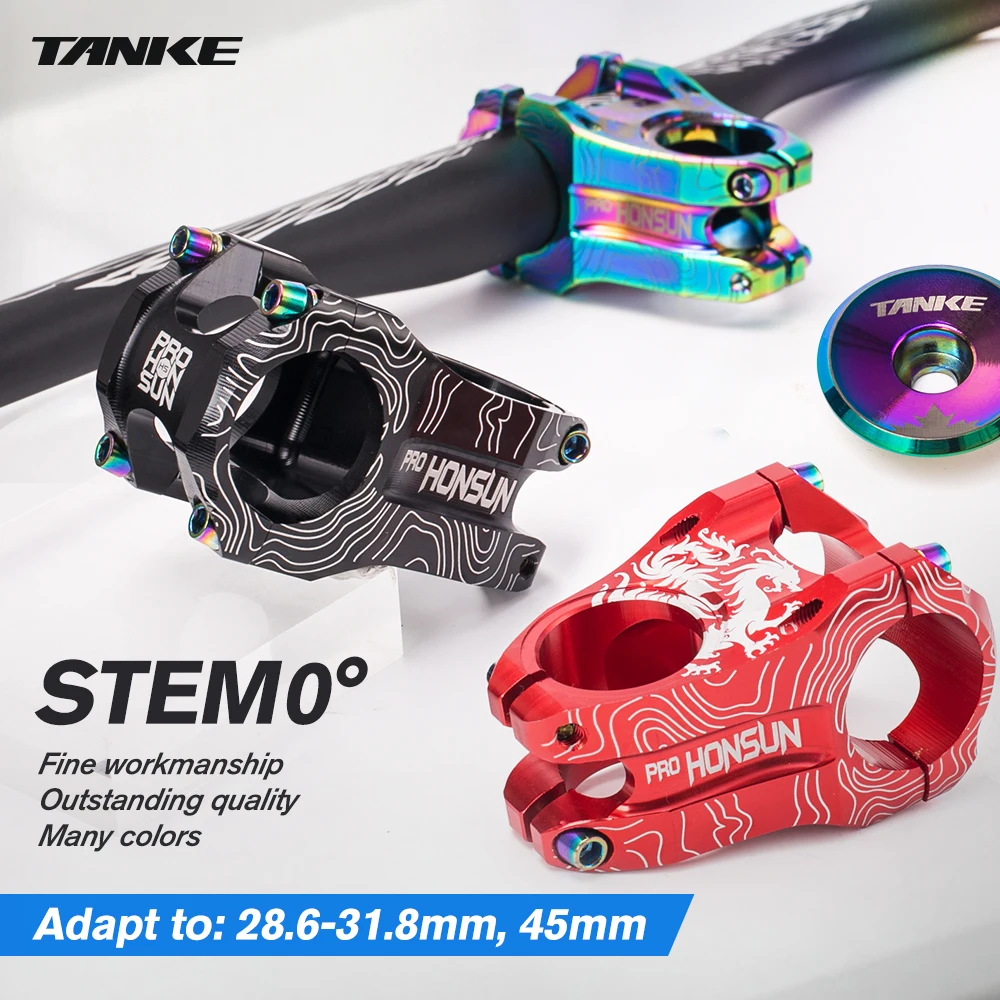
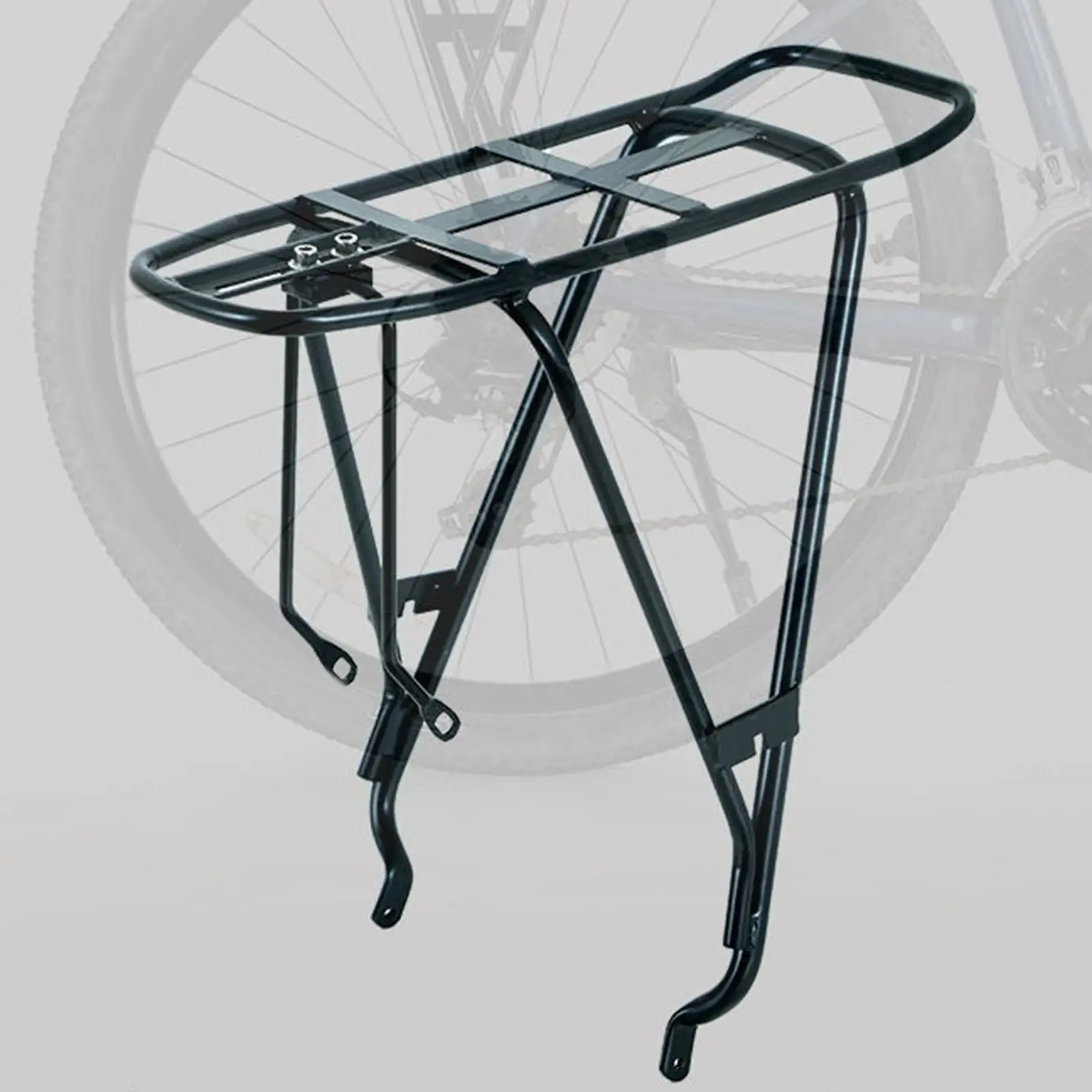
Common FAQ for Fender Procurement
Q: What is the benefit of ordering from a factory that does its own CNC machining?
A: In-house CNC ensures that the mounting hardware for fenders isn't just generic steel but precision-machined aluminum that resists vibration and corrosion.
Q: How do I verify if a factory is capable of mass-producing custom designs?
A: Always request their mold lead time and their experience with 7075 aluminum alloys. A true OEM/ODM partner will provide you with a DFM (Design for Manufacturing) report before cutting the steel for your custom mold.
Ready to Scale Your Business?
Harke Shenzhen provides comprehensive OEM solutions for global cycling brands. From product design to final shipping, we ensure every unit meets the highest quality standards.
Get Catalog