Engineered Cycling Components & Braking Ecosystem
High-demand aftermarket SKUs optimized for Latin American wholesale distributors, coastal bike workshops, and commercial fleet operators.
Metallurgical Demands of the Greater Rio de Janeiro Cycling Ecosystem
A technical assessment of friction friction-fade mitigation, galvanic corrosion prevention, and micro-climate stress points across the State of Rio de Janeiro.
Coastal Aerosol & Marine Salinity
Rio’s Atlantic coastal corridor—encompassing Copacabana, Ipanema, Barra da Tijuca, and Niterói—subjects brake rotors to continuous airborne sodium chloride (NaCl) and relative humidity frequently exceeding 80%. Standard non-passivated stamped steel rotors quickly develop pitting corrosion, destroying brake pad friction surfaces.
- Material Standard: Martensitic AISI 410 / SUS 420 Stainless Steel.
- Surface Treatment: Precision passivated electro-chemical film preventing iron oxide flaking.
- Salt Spray Compliance: ASTM B117 validated for 96+ hours continuous exposure.
Mountain Elevation & Thermal Dissipation
From the severe descents of Parque Nacional da Tijuca and Alto da Boa Vista to the high-cadence trails of Petrópolis and Teresópolis, downhill brake drag generates rotor temperatures in excess of 450°C. Standard monolithic rotors suffer extreme lateral warping and hydraulic fade.
- Bi-Metallic Construction: Floating rotor designs with 7075-T6 forged aerospace aluminum carriers.
- Thermal Expansion Relief: Stainless steel floating rivets accommodating radial expansion.
- Ventilation Geometry: Wave-profile multi-directional cooling slots eliminating brake squeal and glaze.
Commercial Last-Mile & E-Cargo Fleets
The explosive growth of courier deliveries across Zona Sul and Centro has triggered high wear cycles on cargo bikes and hub-drive e-bikes. Heavy payload applications require thicker braking tracks to withstand sustained kinetic shear stresses.
- Heavy-Duty Thickness: Reinforced 2.0mm and 2.3mm thickness options (versus conventional 1.8mm).
- Mounting Interfaces: Six-Bolt ISO 4400 & Center Lock spline architectures with anti-loosening lock rings.
- Pad Compatibility: Optimized hardness matrix compatible with sintered, semi-metallic, and resin compounds.
Rotor Metallurgy & Sizing Compatibility Guide
Comprehensive engineering specifications for B2B procurement officers, bike assemblers, and regional importers in Brazil.
| Rotor Diameter | Construction Type | Material Composition | Standard Thickness | Target Rio Discipline | Mounting Standard |
|---|---|---|---|---|---|
| 140 mm | Monolithic 1-Piece | SUS 420 Martensitic Steel | 1.8 mm (Wear limit 1.5 mm) | Road Ciclismo, Coastal Aerobic Laps | Center Lock / 6-Bolt |
| 160 mm | Monolithic or 2-Piece Floating | SUS 420 + 7075-T6 Alloy Spider | 1.8 mm – 1.9 mm | Urban Commute, XC Gravel, Zona Sul Flats | Center Lock / 6-Bolt |
| 180 mm | Floating Bi-Metallic | Precision Laser Cut Stainless Steel | 1.8 mm – 2.0 mm | Trail, Tijuca Mountain Descents, Light E-MTB | 6-Bolt (M5 High-Tensile) |
| 203 mm / 220 mm | Heavy-Duty Floating Heat-Sink | Multi-Fin Radiator + SUS 420 Core | 2.0 mm – 2.3 mm | Downhill, Enduro, Heavy Commercial E-Cargo | Center Lock (Internal/External Spline) |
Precision Engineering from Shenzhen's Industrial Heart
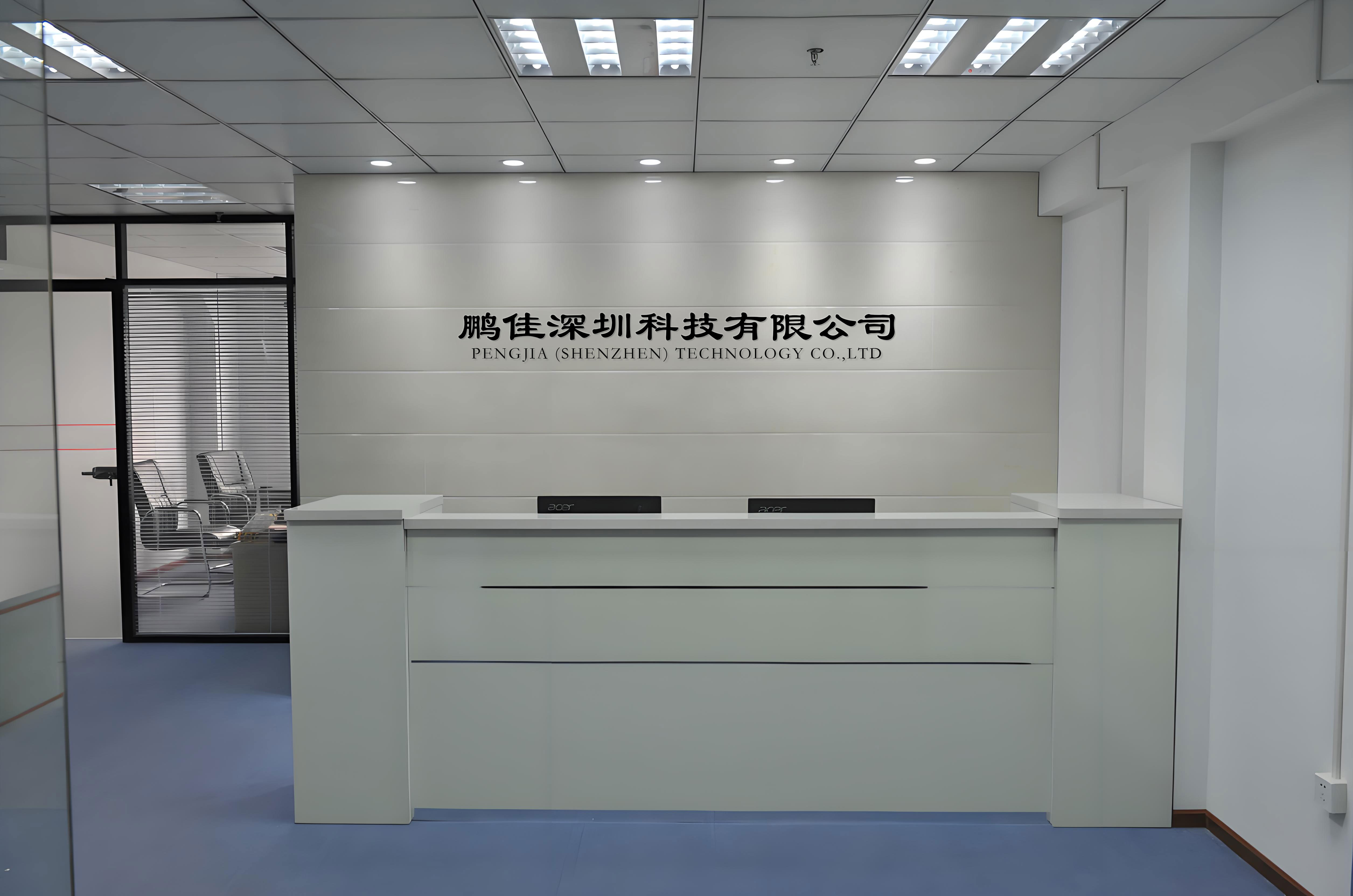
Harke (Shenzhen) Technology Co., Ltd. integrates full-scale design, mold tooling, CNC finishing, and automated stamping for performance bicycle hardware. Operating within 1,000–3,000 m² of modern production space with Alibaba onsite-verified credentials, our engineering team brings a decade of specialized metallurgical manufacturing to the table.
We supply turnkey OEM, ODM, and buyer-label programs directly to Brazilian cycling brands, national distributors, and large retail chains. Whether your requirements call for specific custom laser marking, retail blister box packaging in Portuguese, or specific surface passivations to resist maritime oxidization, Harke guarantees documented traceability across each batch.
Emerging Trends & Application Scenarios in Rio de Janeiro
How macroeconomic dynamics and municipal cycling infrastructure are transforming the procurement of disc brake rotors and accessories across the Marvelous City.
Ciclovia Tim Maia & Waterfront Commuting
The expansion of protected bike paths linking Leblon, São Conrado, and Barra has caused daily utility ridership to double. Riders operating near breaking waves demand rotors that resist immediate flash oxidation. Importers specifying our passivated SUS 420 rotors capture market share by resolving the dreaded "squealing brake" phenomenon prevalent among coastal commuters.
Mountain Downhill in Serra dos Órgãos
Rio de Janeiro houses some of South America's most demanding vertical trails. Enduro and Downhill athletes descending rapidly from Vista Chinesa or Petrópolis require rotors capable of dispersing extreme thermodynamic surges. Our 203mm floating rotors incorporate slotted venting ports that accelerate airflow dissipation across the contact track by 34%.
E-Commerce Micro-Hubs & Fleet Logistics
The historic Centro district and congested avenues of Zona Norte have catalyzed the transition to heavy electric cargo bikes. Regular 1.8mm rotors wear out within 60 days under constant commercial braking. Distributors supplying Rio’s rapid delivery sector are turning to our 2.3mm heavy-gauge rotors to extend maintenance cycles by over 140%.
Why Brazilian Importers Partner with Harke Technology
Combining competitive factory economics with stringent international export frameworks.
Rigorous Full-Cycle Inspection
Every rotor leaves our facility with strict surface flatness tolerances within 0.05 mm, preventing brake shudder. We conduct incoming chemical spectroscopy, laser micrometric measurement, and final salt spray chamber batch verification.
Flexible Incoterms & Customs Support
Navigating Brazilian import clearance (Receita Federal and Siscomex) demands precision documentation. We provide complete NCM classification support, factory-direct certificates of origin, and flexible shipment terms including FOB Shenzhen, CIF Santos/Rio, DDP, and DDU.
Low Entry MOQs & Rapid Scalability
Recognizing cash flow cycles in the Brazilian bicycle market, we accommodate low trial minimum order quantities (from small parcels to mixed-container consolidation), scaling effortlessly to 50,000+ units monthly as brand demand accelerates.
Frequently Asked Questions by Importers in Brazil
Addressing regulatory, logistics, material, and operational inquiries commonly raised by Brazilian B2B purchasing agents.
How do your disc rotors handle Rio's high coastal humidity and sea salt exposure?
We manufacture our rotors using cold-rolled martensitic SUS 420 stainless steel with controlled chromium content. After laser profiling and precision CNC grinding, the rotors undergo chemical passivation to eliminate free iron molecules from the surface layer. This process inhibits galvanic and atmospheric oxidation, passing 96-hour neutral salt spray tests (ASTM B117) without micro-pitting.
What documentation do you provide for Brazilian customs clearance (Siscomex)?
We routinely supply commercial invoices, packing lists with detailed net/gross weights per SKU, certificates of origin, and explicit NCM (Nomenclatura Comum do Mercosul) coding for bicycle parts (typically NCM 8714.99.10 for brakes and parts). We align packing markers with RADAR-cleared freight forwarders operating through the Port of Rio de Janeiro (Porto do Rio) and Galeão International Cargo Terminal.
Can you provide Center Lock and 6-Bolt rotor adapters in the same consignment?
Yes. Our manufacturing ecosystem produces standard 6-bolt ISO patterns as well as splined Center Lock interfaces. We also engineer lightweight forged alloy Center Lock-to-6-Bolt adaptors, allowing Rio distributors to service diverse hub types—from vintage standard hubs to modern boost axles—from a single consolidated container shipment.
What is your lead time and response protocol for Latin American inquiries?
Our sales engineering team operates with a verified average response time of ≤ 4 hours (97.41% on-time response rate). Tooling and customized branding samples are finalized within 7–12 business days, while standard mass production orders are manufactured and dispatched within 20–30 calendar days to match your shipping schedules.
Expand Your Bicycle Components Range in Rio de Janeiro
Contact our engineering sales division today for direct factory price tiers, technical drawings, sample evaluations, and complete wholesale catalog downloads.