Precision Components & Puncture Defense Solutions
Synchronized with San Miguel commercial supply chains, our factory-direct product lines integrate puncture defense liners, cockpit systems, robust drivetrains, and illumination safety.
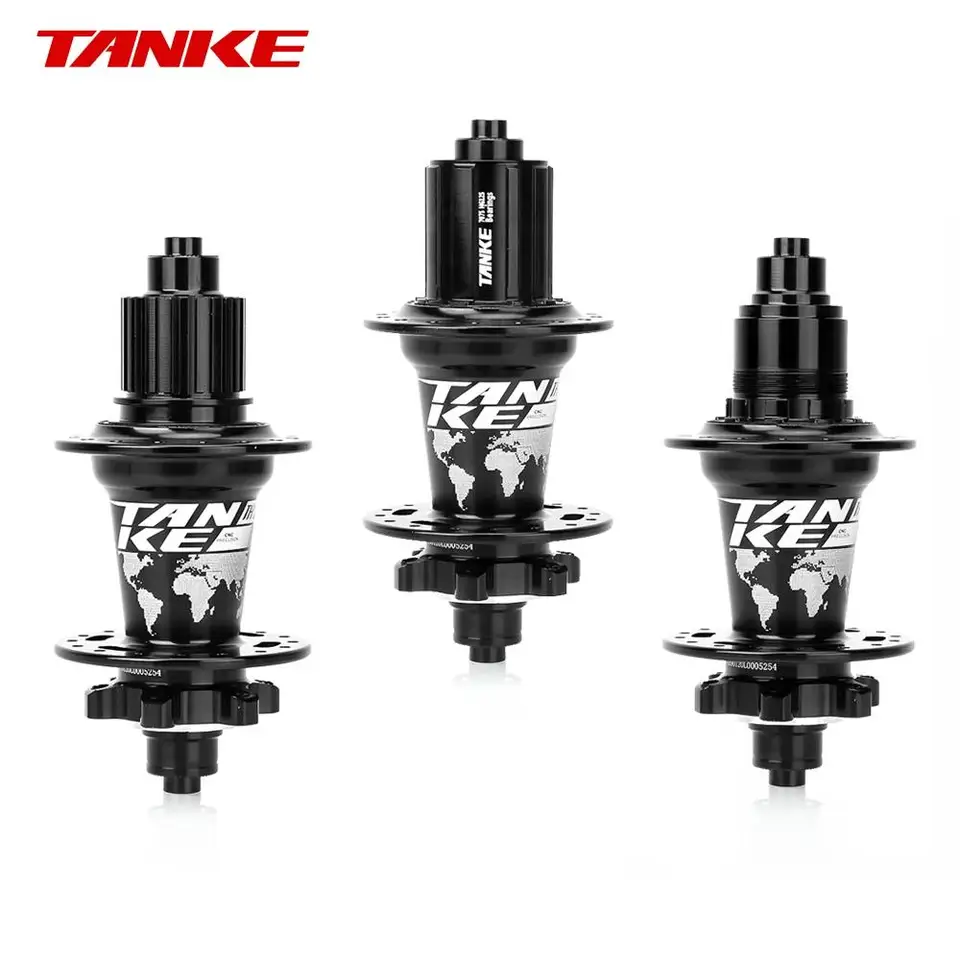
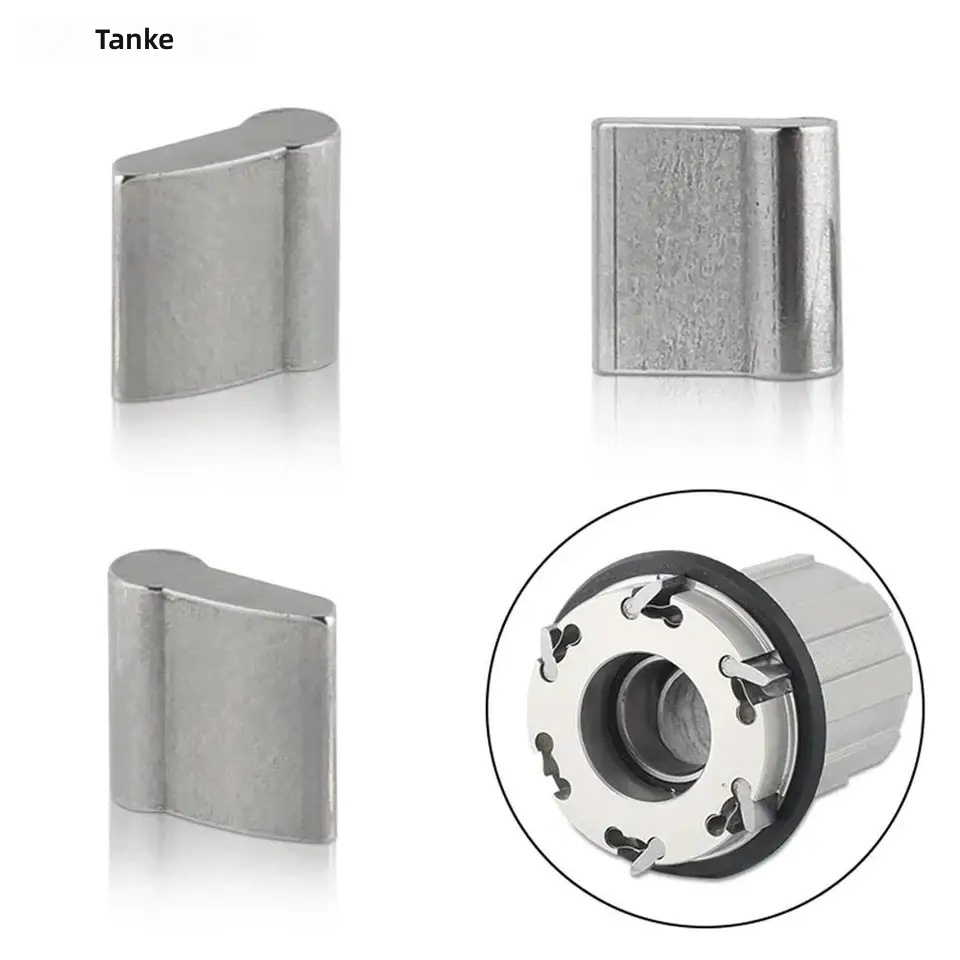
TANKE MTB Rear Hub Freehub Body MS HG XD 6 Pawls 3 Teeth 7075 Alloy
Explore Specifications →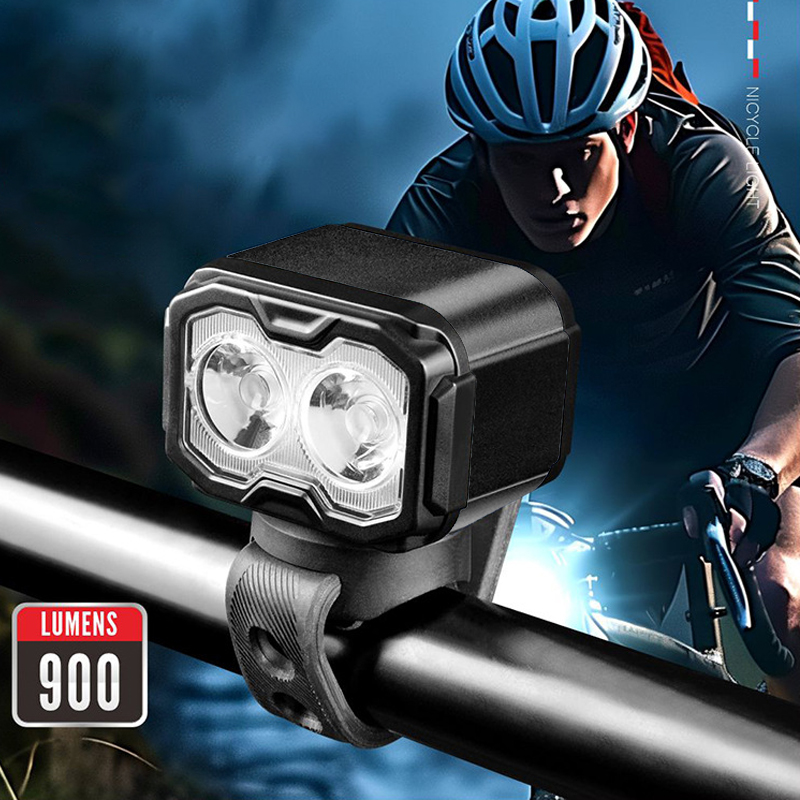
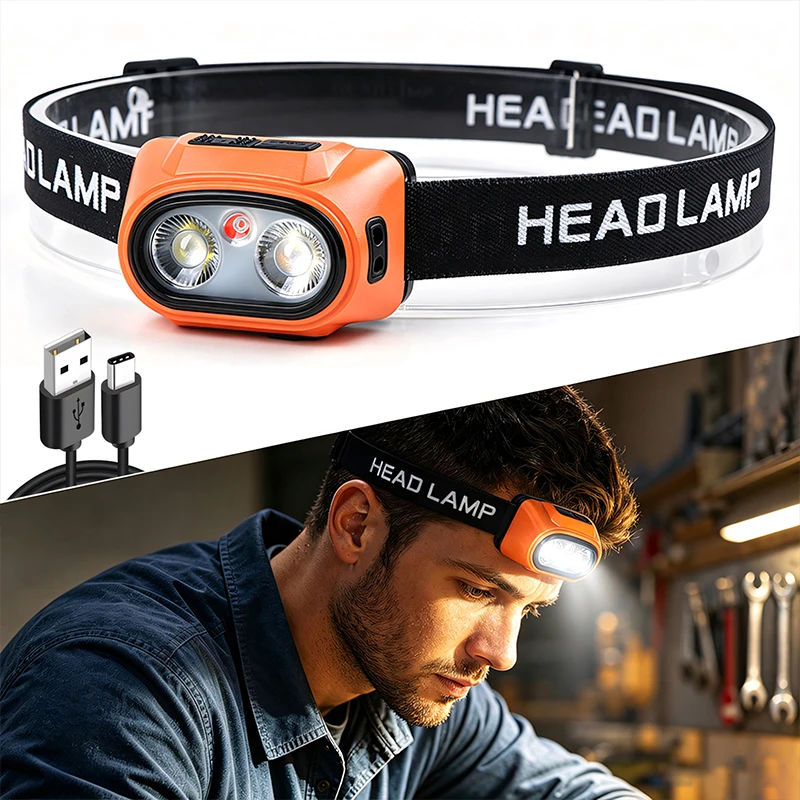
Aluminum Alloy LED Bicycle Front Light Type-C USB Rechargeable
Explore Specifications →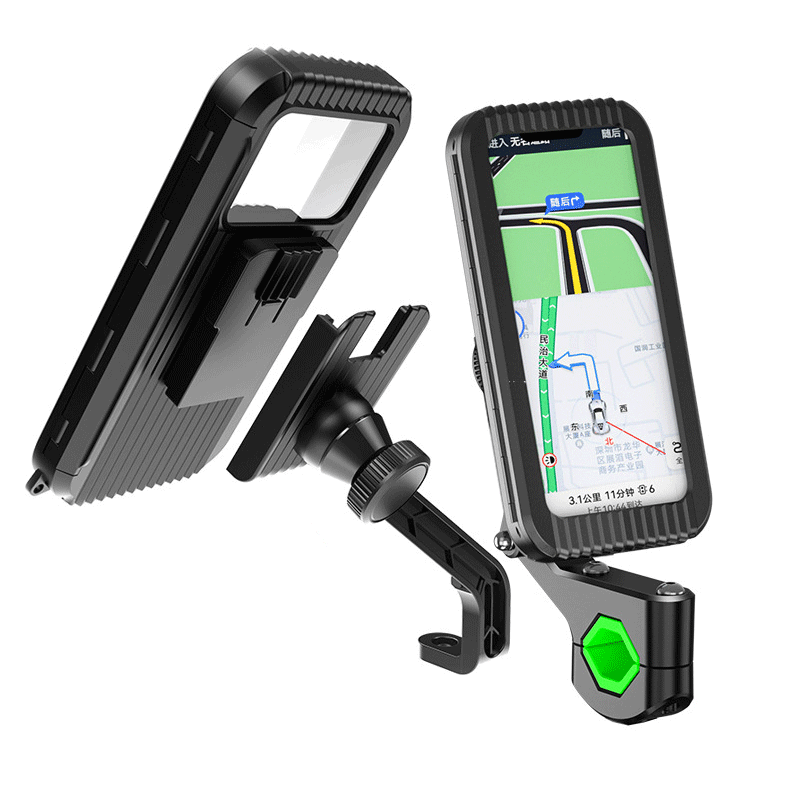
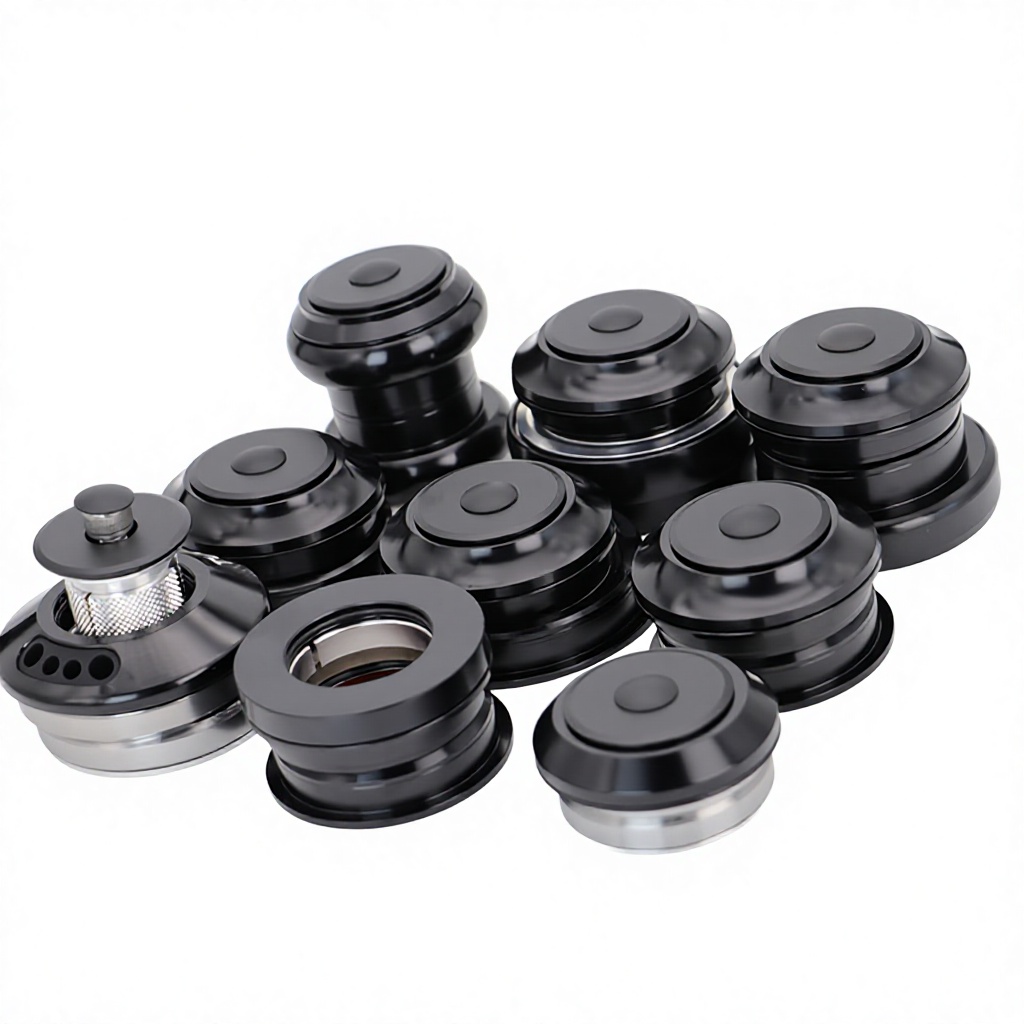
Waterproof Flip-Side-Open Bicycle & E-Bike Phone Holder 360°
Explore Specifications →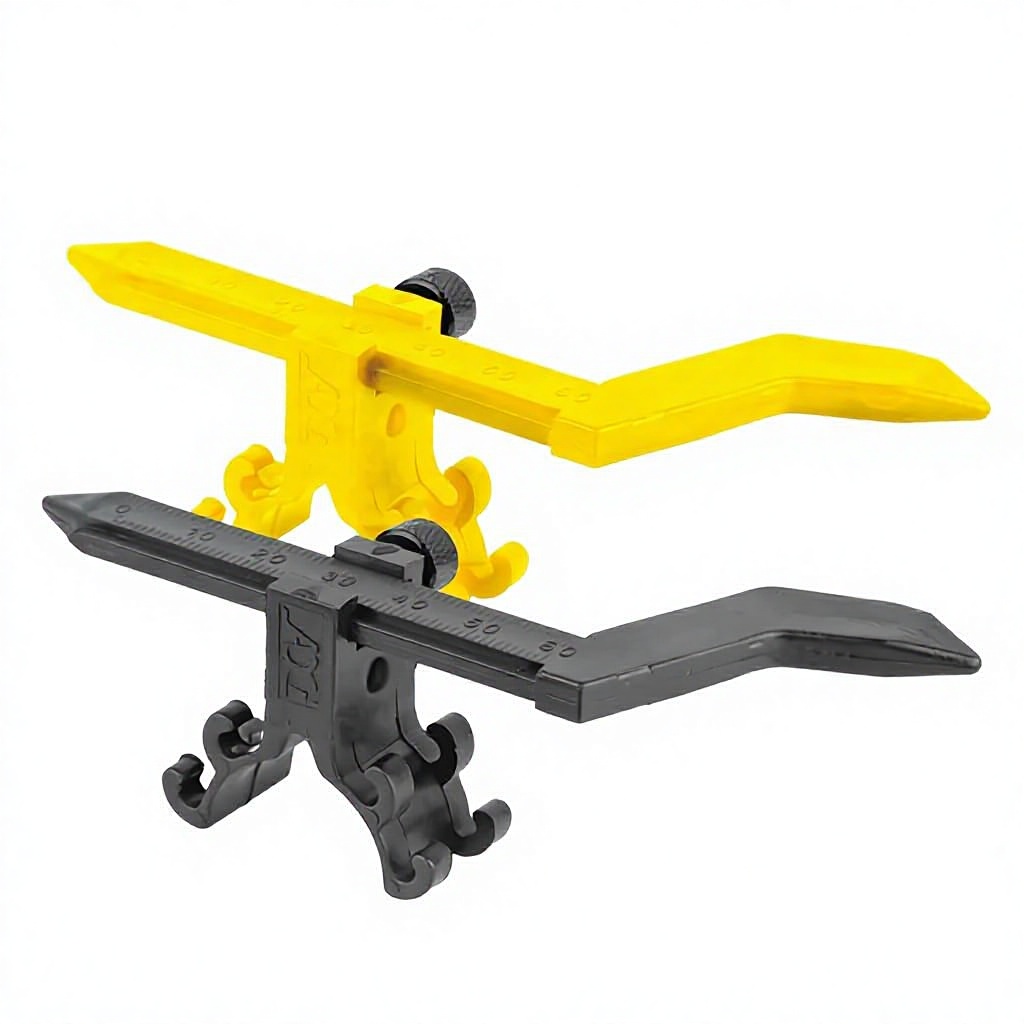
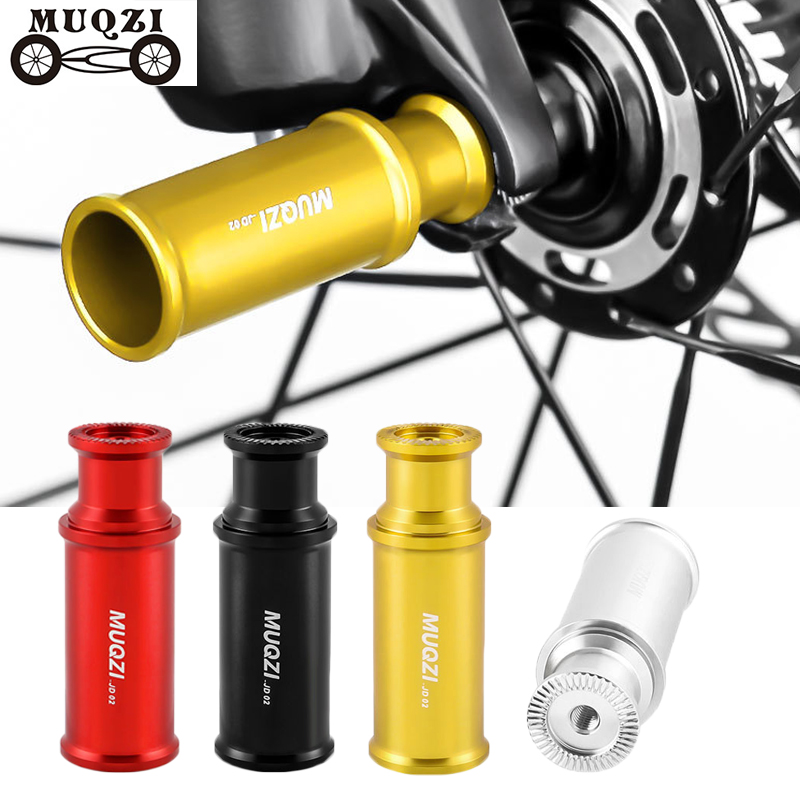
CNC Aluminum Solar LED Quick-Release Rear Derailleur Protector
Explore Specifications →Material Science Architecture: Advanced Polymers in Puncture Mitigation
In modern bicycle engineering and fleet maintenance, tire liners serve as the critical barrier separating the inner tube or tubeless casing from road debris, vulcanized basalt shards, wire remnants, and thorny organic material. Traditional extruded rubber liners introduced excessive rotational mass, exhibited high viscoelastic hysteresis, and suffered from mechanical degradation under extreme thermal shifts. Our manufacturing plants formulate specialized, high-elasticity Thermoplastic Polyurethanes (TPU) and high-density polyether-based elastomer strips designed specifically to deliver an exceptional strength-to-weight ratio.
By utilizing multi-layer co-extrusion technology, our bike tire liners provide directional puncture resistance without causing carcass stiffness. The internal contact profile features micro-beveled feather edges (decreasing from a center gauge of 1.1mm down to 0.25mm along the lateral wings). This precise geometry prevents "edge-pinch flats"—a chronic failure mode seen in low-cost liners where the perimeter cuts into the inner tube under cyclic deflection. Furthermore, the material maintains stable Shore Hardness parameters across an operational envelope ranging from -15°C to 55°C, ensuring puncture defense that does not embrittle during cold mornings or flow plastically under scorching tropical asphalt conditions.
Tensile & Shear Yield
Exceeds 45 MPa ultimate tensile strength. Resists high-velocity thorn impacts and micro-wire intrusion through radial molecular orientation.
Low Rolling Resistance
Hysteresis loss under 8%, avoiding energy absorption during tire casing deformation. Perfectly balanced for pedal-assist e-bikes and race bikes.
Edge-Safe Feathering
Ultra-thin 0.25mm perimeter margin. Eliminates internal casing abrasion and inner-tube chafing inside narrow road and gravel profiles.
For wholesale importers and cycling brands distributing into challenging regional environments like the San Miguel trading basin, these engineering considerations directly reduce aftermarket warranty claims and fleet downtime. Whether dealing with 700c performance clinchers, 29-inch cross-country setups, or 20×4.0-inch heavy e-cargo configurations, our extrusion dies are calibrated to produce liners that seat uniformly within the inner tire casing without creep or circumferential bunching.
Localized Field Application: The San Miguel Geographic & Operating Context
The commercial and cycling environment of San Miguel presents a rigorous operational proving ground for tire protection systems. Located in a vital transit corridor characterized by intense tropical heat, volcanic topography, and a dynamic mix of paved arterial avenues and unpaved peripheral roads, tires face non-stop punitive wear. Importers, regional distributors, and workshop owners in San Miguel encounter specific operational challenges:
1. Basalt Shards and Volcanic Dust Aggression: Terrain affected by regional volcanic geography contains high concentrations of sharp basaltic gravel and volcanic dust. These abrasive particles penetrate deep into tire treads, causing insidious micro-cuts. Our polyurethane puncture liners stop these sharp angular rocks from breaching the casing, protecting internal tubes and sealant barriers.
2. Vegetation and Agricultural Thorns (Espino Blanco & Acacia): Peripheral transport routes, agricultural access roads, and rural mountain trails in the greater San Miguel zone are heavily populated by thorny flora, specifically drought-resistant acacia and seasonal burrs. These organic needles easily pierce ordinary pneumatic tires. Factory-installed TPU puncture strips act as a self-healing impenetrable shield, deflecting needle-point intrusions.
3. Commercial Delivery & E-Bike Messenger Fleets: The surge of urban micro-mobility and cargo deliveries across San Miguel demands high uptime. An unexpected flat tire translates into immediate financial loss for courier fleets. Upgrading fleet tires with high-density anti-puncture liners ensures dependable schedules, lowers cost-per-kilometer metrics, and safeguards motor hubs and rims from flat-tire impacts.
4. Thermal Cycling on Asphalt Thoroughfares: Pavement surface temperatures in this region frequently exceed 48°C during midday sun, followed by humid downpours. Low-grade liners release plasticizers under this thermal cycling, turning brittle and cracking within months. Our proprietary polymer stabilization resists high-temperature plasticization, guaranteeing multi-season durability and elastic recovery.
Engineering Matrix: Liner Profiles for San Miguel Fleet Sourcing
Select the optimal liner gauge, thickness, and profile configuration based on target market segments and operational rolling environments:
| Vehicle Class / Application | Applicable Tire Sizing | Center Gauge (mm) | Wing Width (mm) | Core Polymer System | Primary Defense Target |
|---|---|---|---|---|---|
| Urban Messenger & Commuter | 700×28c – 700×38c | 0.95 mm | 25 mm | Aliphatic Extruded TPU | Glass fragments, wire remnants, curb abrasions |
| XC / Trail MTB & Ecotourism | 27.5" / 29" × 2.10" – 2.40" | 1.20 mm | 40 mm | Polyether Elastomer Blend | Volcanic basalt, acacia thorns, sharp shale |
| Heavy E-Cargo & Utility | 20" / 26" × 3.0" – 4.0" | 1.50 mm | 60 mm – 75 mm | Reinforced Multi-Layer TPU | Radial weight pinch-flats, heavy nail intrusion |
| Road Endurance & Sport | 700×23c – 700×28c | 0.65 mm | 19 mm | Micro-Density Ultra-Lite TPU | Flint shards, road debris, micro-spikes |
Market Intelligence: Commercial Trends in the San Miguel Trade Hub
The cycling aftermarket across Central American regional centers, including San Miguel, is undergoing a distinct transformation driven by rising fuel prices, urban densification, and the widespread adoption of two-wheeled transport for local commerce. Sourcing directors and wholesale distributors are capitalizing on several key structural shifts:
Transition from Reactive Repair to Preventive Armor: Historically, cyclists and fleet operations relied on low-cost butyl patches and DIY tire plugs. However, the labor costs and transit delays caused by repeated punctures have driven demand toward preventative installations. Tire liners are now routinely bundled by distributors as pre-installed accessories during retail bike sales.
The Rapid Expansion of E-Bikes and Heavy Pedelecs: The extra torque and speed of electric assist systems, combined with heavier battery-frame weights, double the impact forces acting on bicycle wheels. Fixing a puncture on a rear-hub motor bike is complex and time-consuming in the field. Consequently, e-bike shops in San Miguel insist on high-strength tire liners and durable drivetrain components—such as our CNC 7075 aluminum hub internals and sealed bearing assemblies—as mandatory upgrades.
Consolidated Sourcing Strategies: Importers in San Miguel are consolidating multiple product categories into combined maritime container shipments. Rather than dealing with separate vendors for lighting, tools, cockpit accessories, and tire defense, commercial buyers leverage our integrated catalog. This approach streamlines customs clearance, maximizes container space utilization, and reduces landed product costs.
Manufacturing Excellence: Why Global Importers Partner with Our Facility
Harke (Shenzhen) Technology Co., Ltd. operates an onsite-verified production facility spanning up to 3,000 m² in the heart of Shenzhen’s advanced manufacturing district. Backed by over a decade of industry expertise, our operations bridge technical design, precision manufacturing, and streamlined export logistics:
Strict Onsite Quality Control
Every batch undergoes automated tensile load testing, puncture-yield bench validation, and laser micrometer thickness verification before packing.
Full OEM / ODM Customization
We provide custom extrusion widths, tailored durometer hardness, laser-etched branding, retail packaging, and Spanish-language instruction inserts.
Agile Turnaround & Response
Maintaining a verified 97.41% inquiry response rate with an average response time under 4 hours, providing prompt technical and quote support.
Our international shipping team supports multiple Incoterms (FOB, EXW, DDP, DDU, Express) and accepts multiple global currencies (USD, EUR, GBP, CAD, and more). We manage documentation meticulously, ensuring shipments move smoothly through customs clearance into Central American ports and regional logistics hubs.
San Miguel Sourcing FAQ: Critical Answers for B2B Importers
Practical technical and commercial answers addressing common inquiries from bike shops, distributors, and fleet managers in the region: