Precision Hardware & Frame Upgrades for Modern Cycling Ecosystems
Seamlessly matching front-end composite compliance with professional-grade transmission guards, precision hubs, disc maintenance tools, and urban fleet accessories.
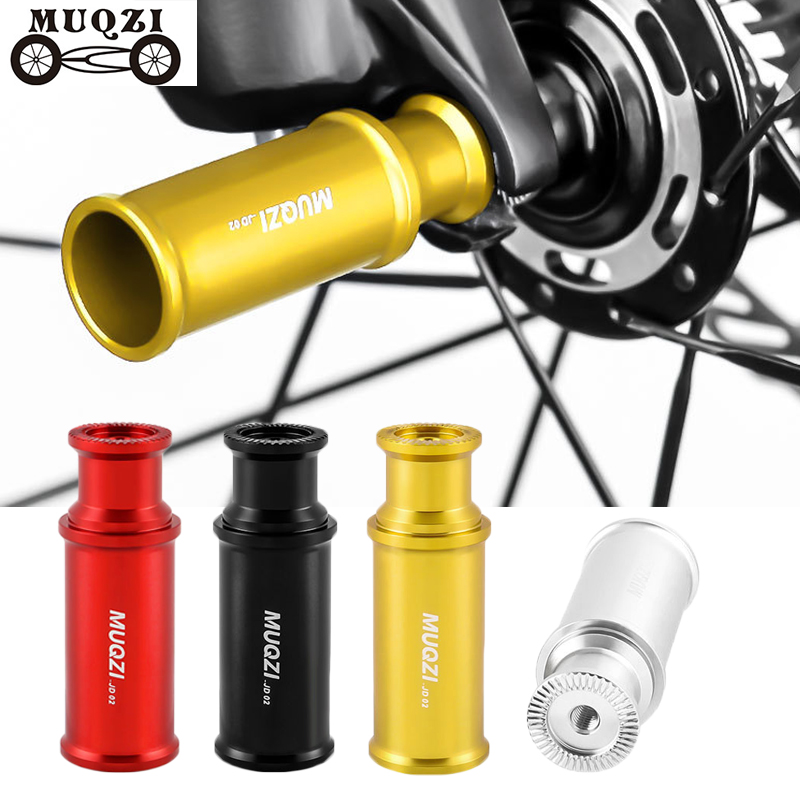
CNC Aluminum Solar LED Bicycle Quick-Release Hub Mount Derailleur Protector
- Aviation 6061 CNC Anodized Billet
- Solar-charged autonomous beacon
- Direct axle impact diversion
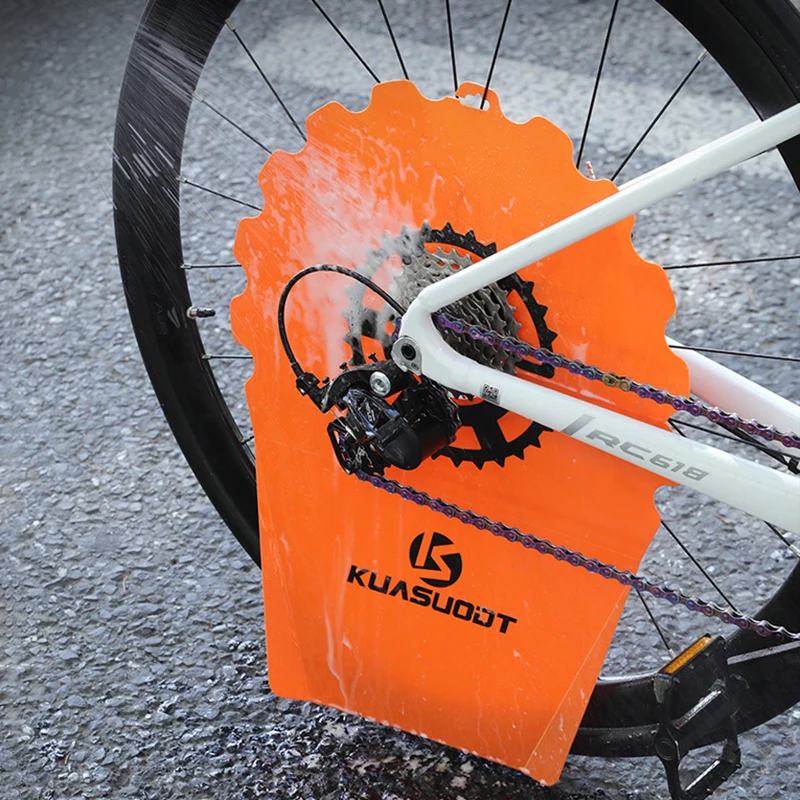
Bicycle Disc Brake Anti-Fouling Guard PVC Anti-Oil Washing Protector
- High-density oil-resistant polymer
- Full rotor caliper seal during spray
- Eliminates disc contamination
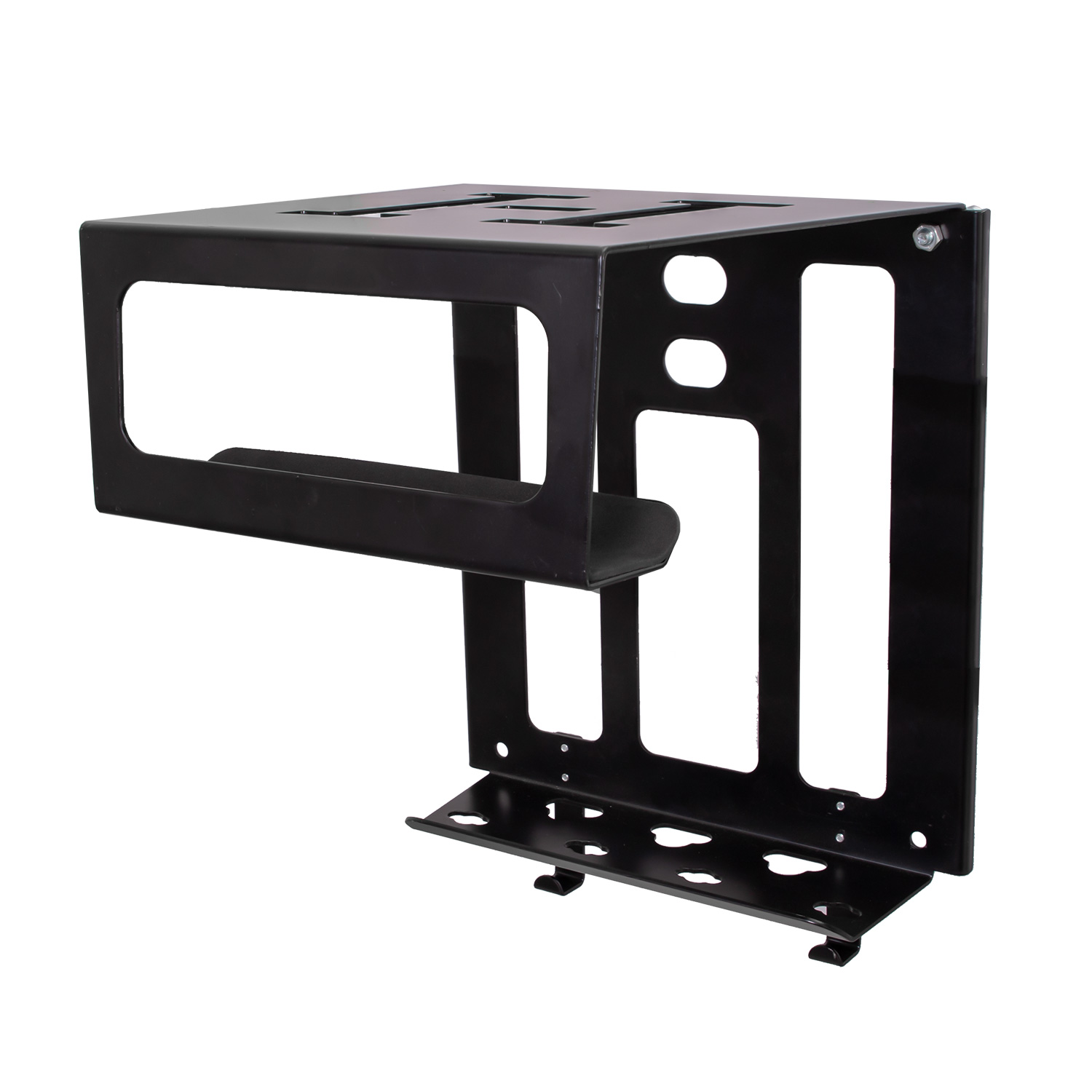
Heavy Duty Bicycle Wall Mount Rack Hot-Rolled Steel 25KG Max Load
- Hot-rolled industrial structural steel
- 25KG certified load for e-bikes
- Protective dipped arm coating
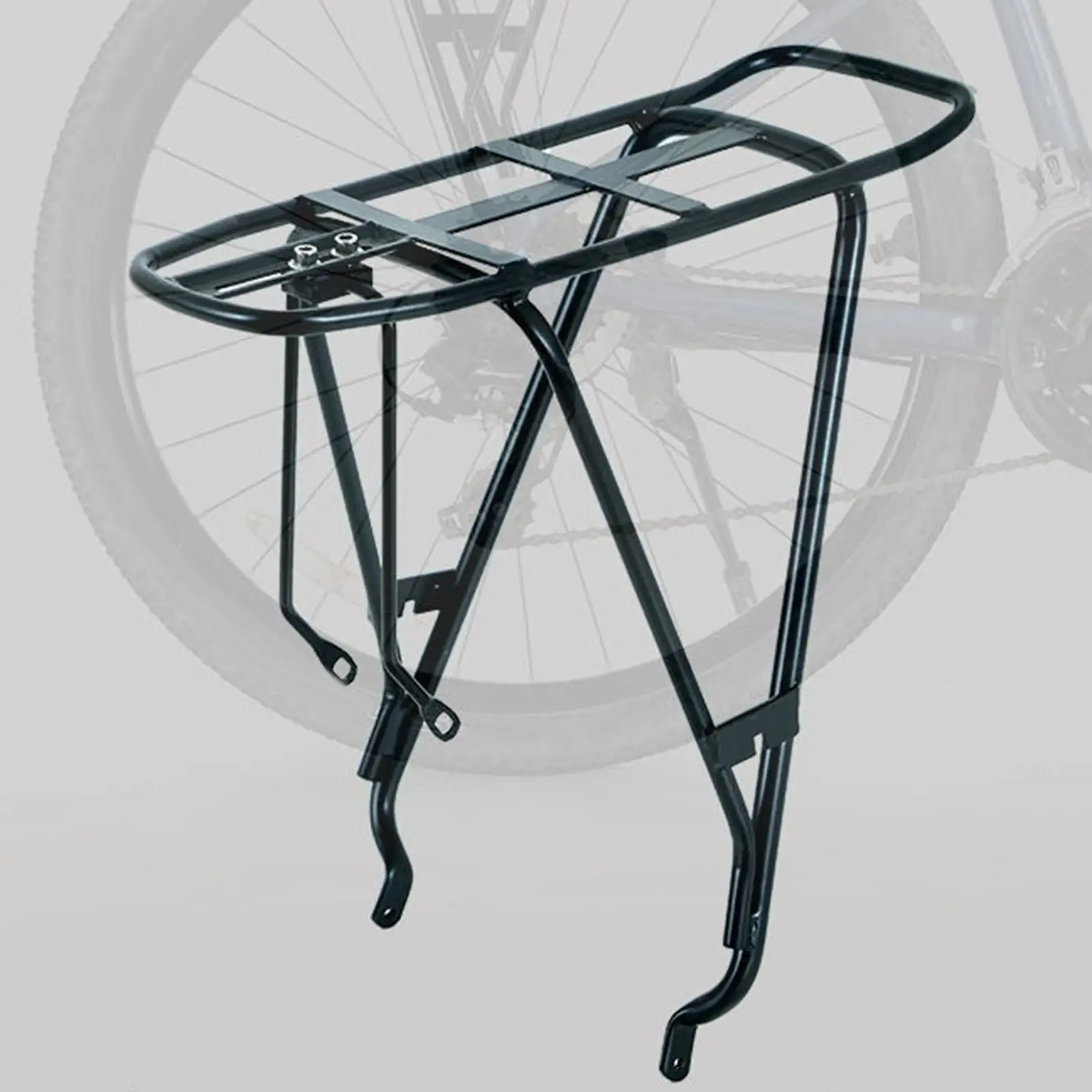
Universal Mountain Bike Rear Cargo Rack 26/27.5 Inch Pannier Luggage Carrier
- Multi-point adjustable geometry
- Corrosion-resistant T6 truss struts
- Heavy-duty pannier rail anchors
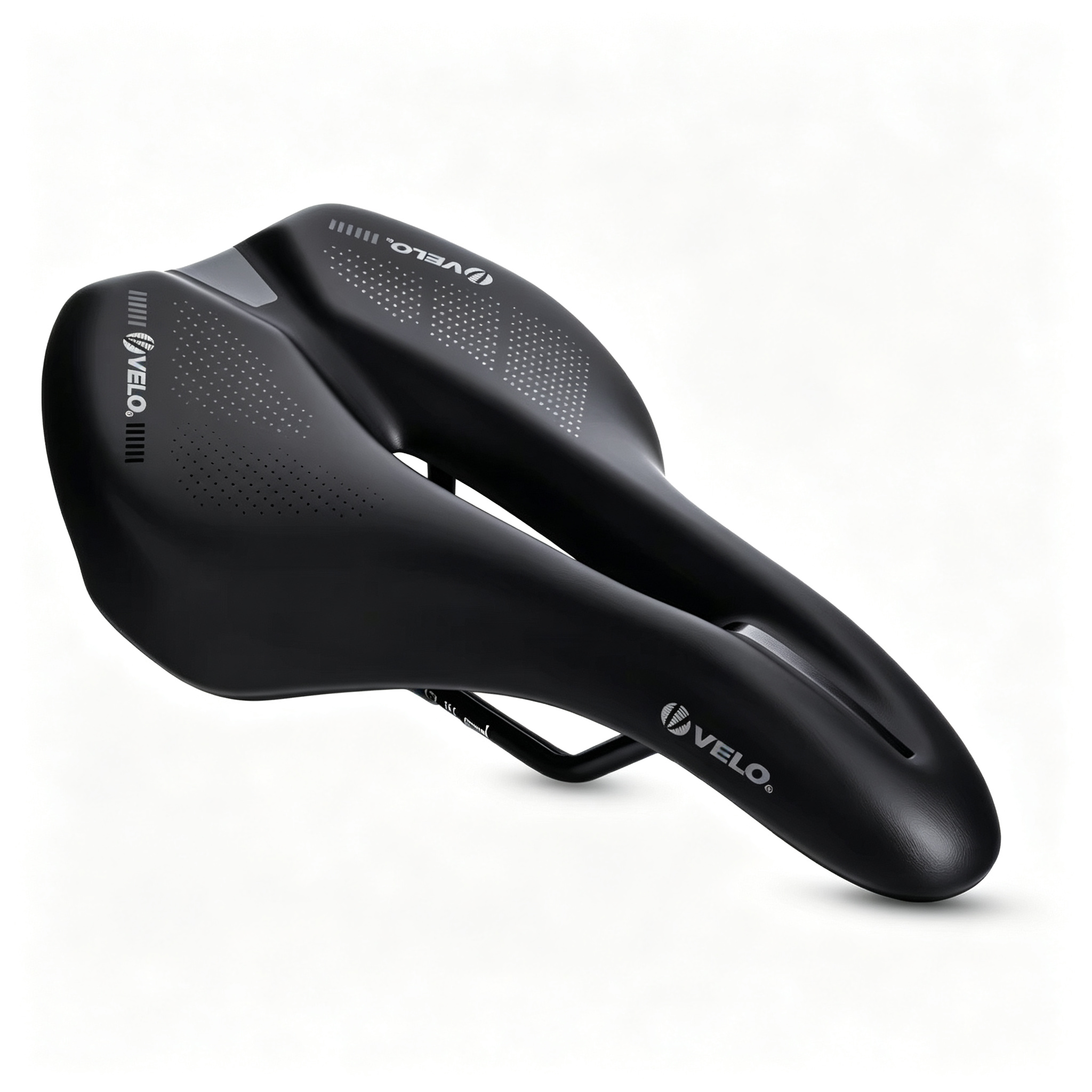
Comfort Hollow Safety Ventilation Bicycle Saddle Waterproof PU Leather
- Anatomic perineal pressure relief channel
- Hydrophobic thermo-sealed PU skin
- High-elastic memory gel substrate

Bicycle Bell Retro Commuter City Copper Bike Horn Solar Powered
- Resonant forged copper alloy dome
- Dual-mode solar acoustic sounder
- Universal 22.2–31.8mm clamp fit
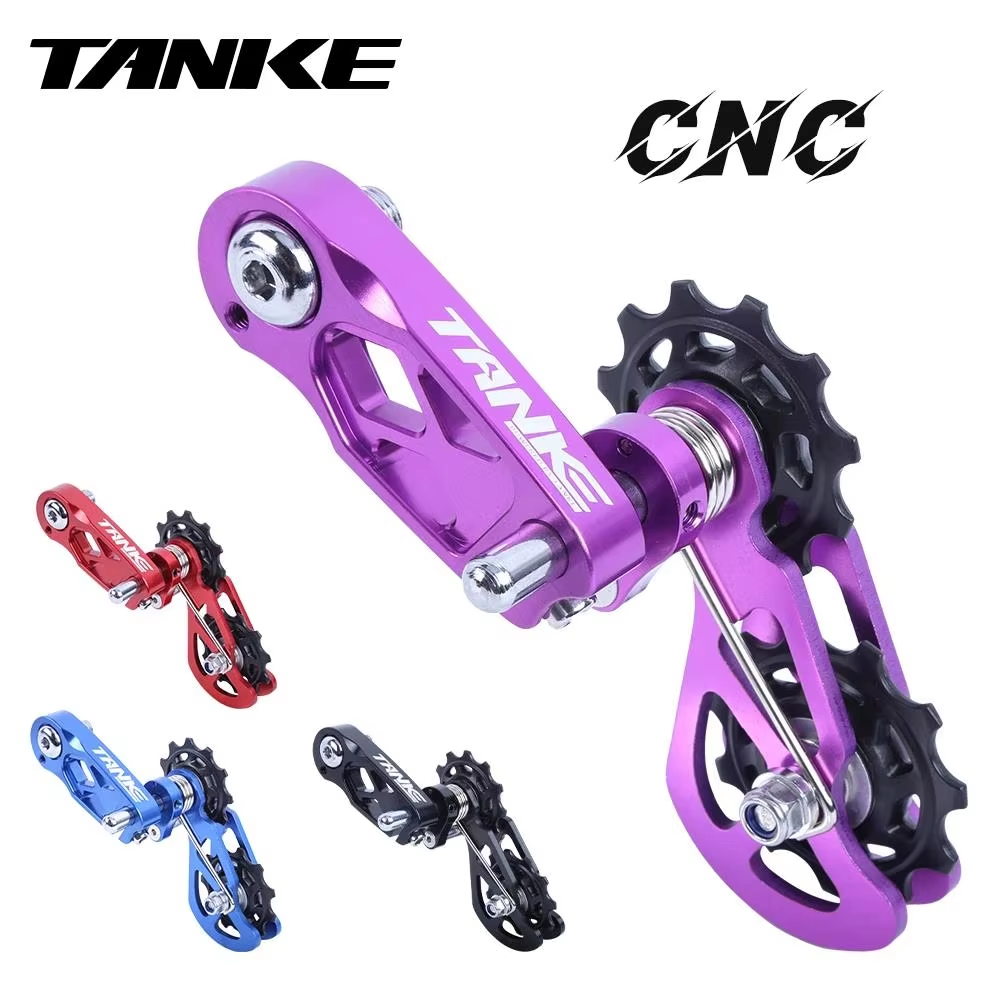
TANKE MTB Dirt Jump Single Speed Chain Tensioner XC DJ AM CNC Guide
- Full CNC machined pulley guide
- High-tension internal spring damper
- Prevents chain-whip under torque
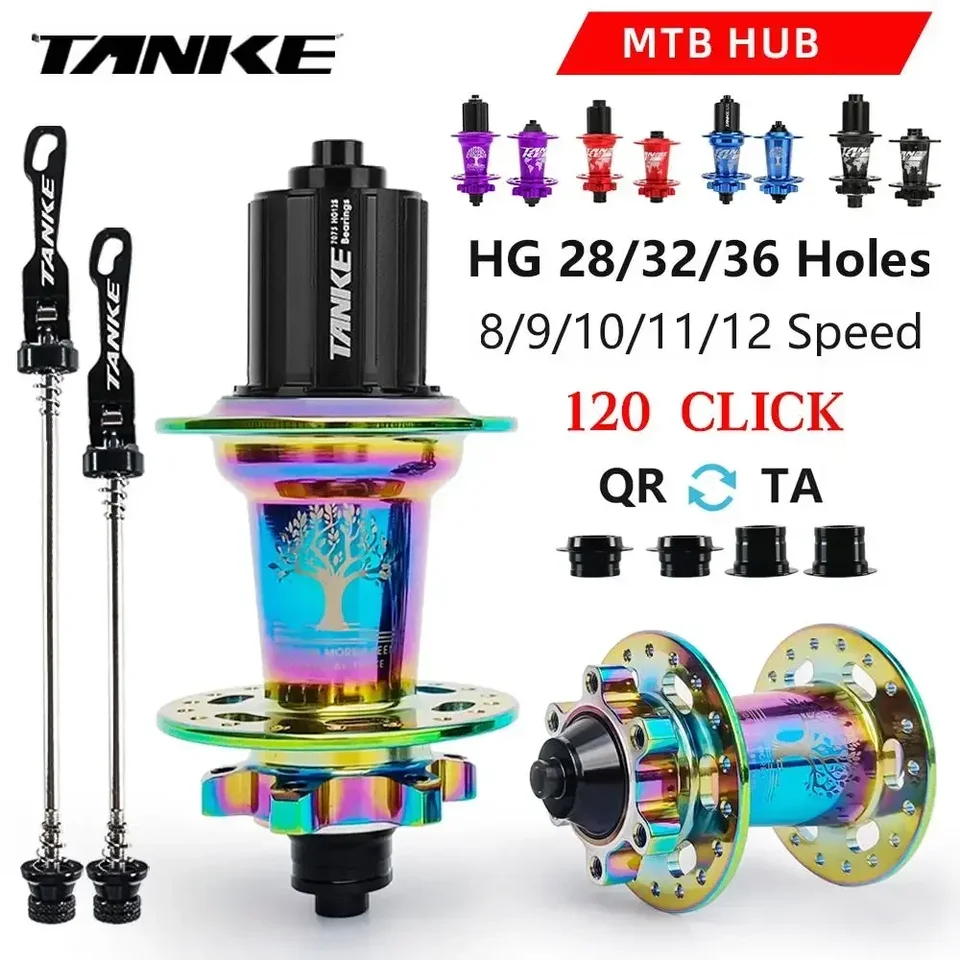
TANKE MTB 120 Click Hub 6 Sealed Bearing Front & Rear Disc Brake QR
- Instantaneous 120-click engagement
- 6 independent staggered pawls
- Sealed cartridge industrial bearings
High-Modulus Carbon Fiber Fork Architecture: The Anatomy of Front-End Dynamics
In competitive cycling, gravel racing, and rigorous urban commuting, front-fork engineering serves as the primary gateway for chassis vibration dissipation, steering torsional rigidity, and braking safety. Here is how our contract manufacturing facility constructs aerospace-grade fork platforms.
Monocoque EPS Mandrel Molding
Unlike bonded two-piece forks that suffer from internal stress risers at the crown junction, our forks utilize Expanded Polystyrene (EPS) internal mandrels. This structural method produces a seamless, continuous fiber matrix from steerer tube to dropouts, eliminating inner resin pooling, wrinkles, and void anomalies while elevating ultimate tensile resistance under heavy disc braking loads.
Strategic Prepreg Matrix Layup
We deploy precise ratios of Toray T700, T800, and M40J unidirectional carbon prepregs. T700 delivers maximum shear resistance and impact toughness across the fork blades, while localized T800 high-modulus plies reinforce the crown race seat and brake mounts. High-Tg epoxy matrix resins (tested at >135°C) prevent heat transfer de-lamination during sustained Alpine descents.
Torsional Rigidity vs. Micro-Compliance
Fork lateral flex induces brake rub and vague cornering, whereas excessive vertical rigidity fatigues the rider. Our FEA-optimized fiber orientation maintains high lateral and torsional stiffness (28–32 Nm/deg) for pinpoint high-speed tracking, combined with calculated fore-aft vertical compliance (1.2–1.8 mm under standard operational cycles) to dampen pavé chatter.
| Fork Platform | Steerer Specification | Axle-to-Crown / Rake | Tire Clearance | Brake System & Routing | Weight (Uncut) |
|---|---|---|---|---|---|
| Aero Road Monocoque | 1-1/8" to 1-1/2" Tapered Integrated | 370 mm / 43–45 mm Rake | 700 x 32c Max | Flat Mount 140/160mm, Internal D-Shape Steerer | 365g ± 15g |
| All-Road / Gravel Adventure | 1-1/8" to 1-1/2" or 1-1/4" Tapered | 395–400 mm / 47–50 mm Rake | 700 x 50c / 650b x 2.1" | Flat Mount 160/180mm, Internal Dynamo / Triple Bosses | 430g ± 20g |
| Urban Commuter / E-Bike | 1-1/8" Straight or 1.5" Tapered | 410 mm / 45 mm Rake | 700 x 45c with Fenders | Flat/Post Mount, Integrated Headlight Internal Routing | 520g ± 25g (Reinforced) |
| Endurance / CX Race | 1-1/8" to 1.5" Carbon Crown | 390 mm / 45–48 mm Rake | 700 x 38c Mud Cleared | 12x100mm Thru-Axle, Flat Mount Rotor Direct | 410g ± 15g |
Localized Engineering: Demanding Terrains of Lyon and the Rhône Basin
Lyon is uniquely positioned at the confluence of the Saône and Rhône rivers, serving as the commercial gateway to the French Alps and the Beaujolais hills. Bicycle frames and forks engineered for Lyon must endure an extraordinary hybrid range of operating conditions.
Monts d'Or & Beaujolais Gravel
Bikers tackling Mont Cindre, Mont Thou, and the limestone tracks of Monts d'Or require forks with high shear resilience against flint strikes, high torsional stiffness for off-camber climbs, and integrated triple-boss cage mounts for multi-day bikepacking through Rhône vineyards.
Croix-Rousse & Fourvière Elevation
Lyon's distinct topography features intense short gradient shifts (averaging 14% to 18% along Montée Saint-Barthélemy and Montée de la Grande-Côte). Fork crowns must resist extreme forward brake loading while remaining ultralight to maximize mechanical efficiency during punchy urban ascents.
ViaRhôna & Voie Bleue Touring
The famous ViaRhôna and Voie Bleue routes demand vibration dampening along endless gravel berms and river towpaths. High-cycle fatigue resistance prevents wrist and shoulder numbness over 100+ kilometer endurance stages between Lyon, Vienne, and Geneva.
Les Voies Lyonnaises Urban Network
With the Métropole de Lyon rolling out 250+ kilometers of dedicated wide cycle highways (Les Voies Lyonnaises), high-speed electric commuter bicycles and cargo conversions require forks reinforced at the dropout to withstand tramway rail crossings and granite curb collisions.
Lyon Sourcing Trends: The French Cycling Resurgence and Plan Vélo 2026
The Auvergne-Rhône-Alpes cycling industry is experiencing unprecedented structural growth, transforming Lyon into France's primary capital for micromobility innovation, bespoke framebuilding ateliers, and high-value distribution networks.
The Expansion of "Plan Vélo Métropolitain"
The Lyon Metropolis has invested over €500 million into green transit infrastructure. This municipal push has caused a dramatic surge in private bike acquisitions, long-term fleet leasing, and e-bike conversion ateliers. Local brands require reliable OEM component pipelines to fulfill regional municipal procurement criteria and meet demand from over 45,000 daily commuter trips across the Presqu'île.
Rise of Boutiques & Framebuilders (Cadreurs)
From custom steel artisans to independent gravel startups based around Villeurbanne, Vaise, and the Croix-Rousse plateau, local French builders are prioritizing high-end monocoque carbon forks. Sourcing direct from Shenzhen allows Lyon designers to obtain proprietary mold rights, custom rakes, and custom carbon weave finishes (UD matte, 3K twill, marble forged) without excessive tooling surcharges.
Demand for Certified Safety & Decarbonization
French B2B buyers enforce stringent safety standards. European Union directives mandate compliance with NF EN ISO 4210 safety regulations. Furthermore, French consumers scrutinize supply chain sustainability. By utilizing optimized batch packing, low-VOC matrix curing, and consolidations through Port Edouard Herriot or direct multimodal rail routes, we help Lyon partners achieve aggressive environmental and cost metrics.
Frequently Answered Questions for Sourcing Managers in Lyon
Comprehensive technical and commercial clarity for French bicycle brand owners, assembly workshops, and European component importers.
Do your carbon forks comply with European EN ISO 4210 standards?
What are your shipping terms and lead times to Lyon (Auvergne-Rhône-Alpes)?
Can we develop custom fork molds or private-label decals for our Lyon brand?
How do you prevent steerer tube delamination under extreme disc brake forces?
What payment terms and currencies are available for French corporate buyers?
Why Lyon's Cycling Innovators Partner with Harke (Shenzhen) Technology
Combining the world's most dynamic hardware innovation cluster in Shenzhen with strict German-standard quality assurance, our 3,000 m² production footprint guarantees reliable delivery, engineering transparency, and agile turnaround.
Onsite Verified Facility
Our operations have passed rigorous third-party and on-site factory verification checks. We manage every phase from raw carbon prepreg temperature-controlled storage (-18°C) to autoclave curing, trimming, water-slide decal application, and final packaging.
Rapid B2B Response (≤ 4 Hours)
We bridge the European-Asian timezone gap with an industry-leading 97.41% inquiry response rate, maintaining an average response time under 4 hours. Lyon engineering and procurement teams receive rapid quote calculations, CAD feedback, and technical data sheets without delay.
Full Process Traceability
Every fork is engraved with an internal serial tracking barcode during layup. We track technician shifts, autoclave curing pressure curves, resin batch records, and destructive sample retention logs for a minimum of five years post-delivery.
Multi-Product Consolidation
Save shipping expenditure and customs clearance overhead by consolidating your carbon forks with matching headsets, CNC derailleur guards, disc rotors, 120-click hubs, and cargo racks into unified mixed-carton or mixed-container shipments.