Verified Cycling Hardware & Component Solutions
Engineered for high-durability fleets, professional aftermarket distributors, and cross-country mountain terrains.
Localized Application Scenarios in the Sucre Mountain & Urban Transit Ecosystem
The city of Sucre, characterized by its dramatic elevation profile hovering around 2,800 meters above sea level, presents a distinct set of biomechanical and material demands for cycling structural components. Procurement teams, regional distributors, and workshop networks operating within this unique market face combined challenges: severe elevation ascents requiring ultra-low gross vehicle weight, historic cobbled arteries demanding superior high-frequency micro-vibration damping, and rough peripheral unpaved tracks that expose composite materials to localized impact stress.
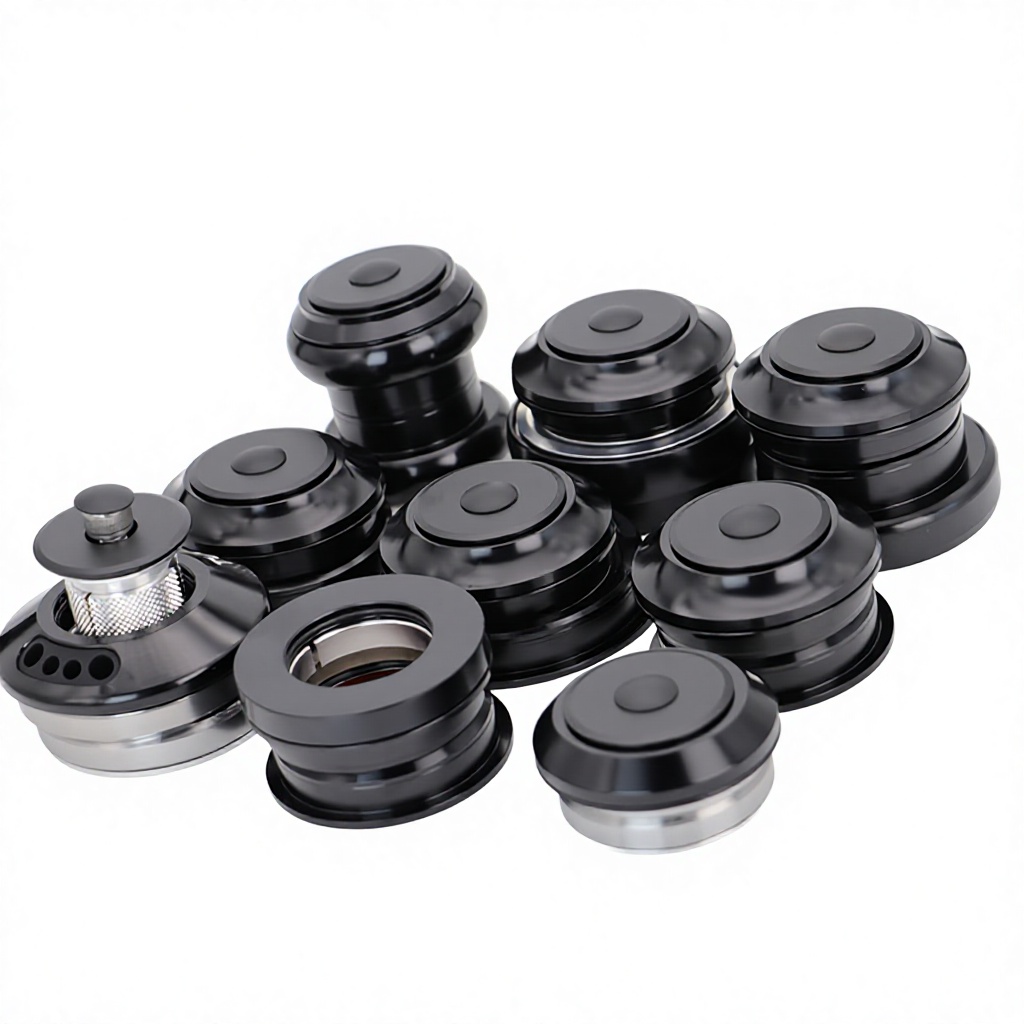
In traditional urban supply chains, metal alloy forks transmit road chatter directly into the cockpit, accelerating rider fatigue and loosening critical headset interfaces. Conversely, integrating advanced carbon fiber forks engineered with directional Toray T700/T800 composite weaves fundamentally alters this dynamic. Carbon fiber exhibits high natural viscoelastic damping properties, absorbing cobblestone oscillations far more effectively than steel or hydroformed aluminum. When paired with high-performance steering interfaces like our Bicycle Headset Press-Fit Double Sealed Bearings (44-55/56mm), local builders can construct lightweight front assemblies that prevent angular bearing distortion during steep technical descents on streets like Calvo or Grau.
High-Altitude Gravel Corridors
Connecting peri-urban agricultural routes and mountain climbs requires rigid forks with generous tire clearance (up to 700x45c or 29x2.1"). Carbon composite layups yield unmatched power transfer during out-of-the-saddle climbing without lateral brake rub.
Urban Logistics & Micro-Mobility
Commercial courier and delivery fleets require forks with internal routing for dynamo or brake conduits. Carbon structures alleviate overall bike mass, substantially preserving battery range for motorized e-bikes and urban cargo frames.
Competitive Cross-Country (XC)
For cross-country racers navigating local elevation swings, switching to tapered carbon rigid or inverted forks cuts up to 1,200 grams compared to conventional budget air-suspension forks, creating unmatched climbing efficiency on Andean climbs.
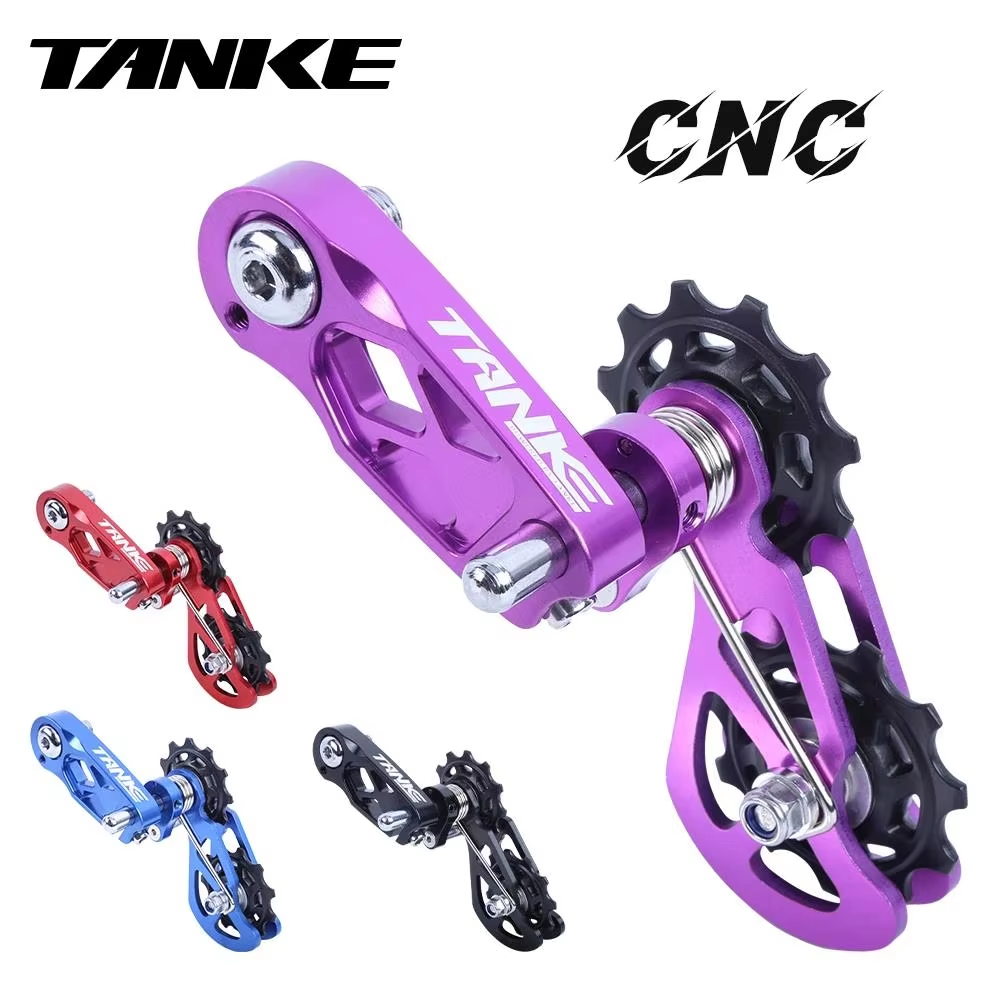
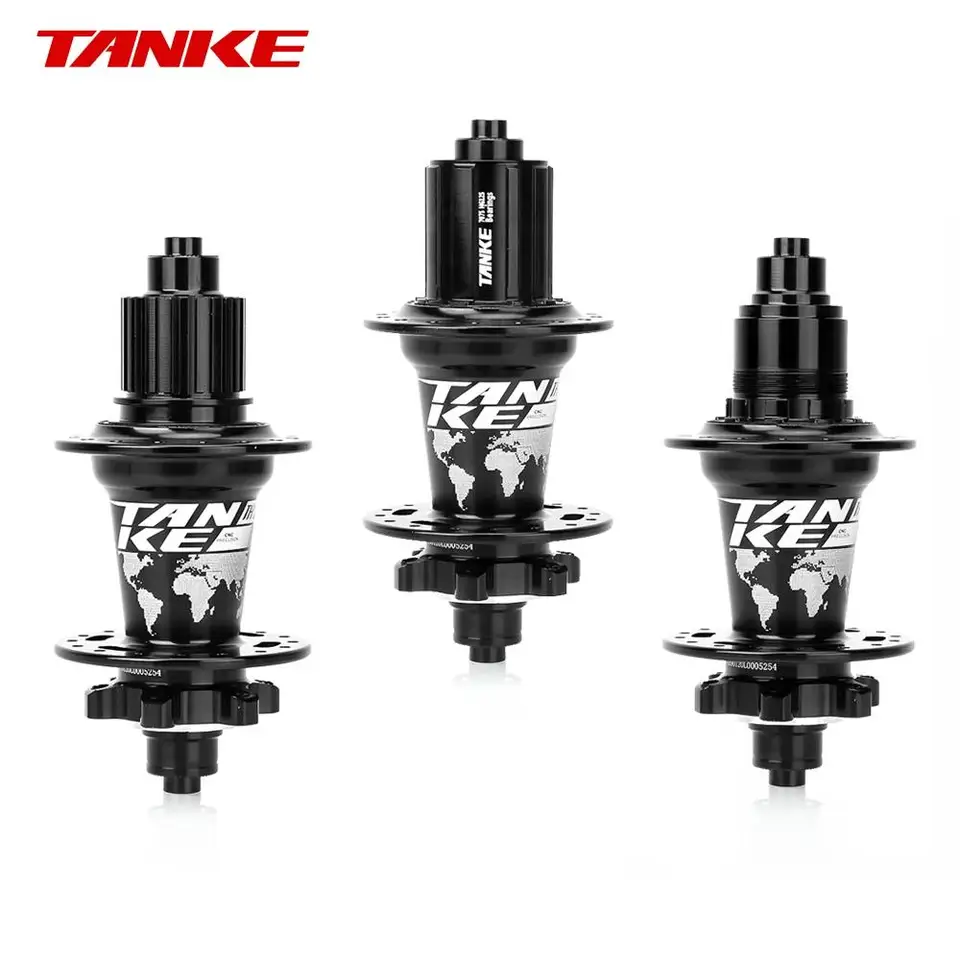
Furthermore, component interaction is vital. A rigid carbon fork shifts torsional stress rearward through the drivetrain. Sourcing complementary, high-durability transmission components—such as the TANKE MTB Single Speed Chain Tensioner Guide and TANKE 7075 Aluminum Freehub Bodies with 6-pawl engagement—ensures that explosive bursts of pedal torque on steep gradients do not cause chain skipping or drive shell fatigue.
Procurement Trends & Supply Chain Evolution
The bicycle parts ecosystem across regional wholesale hubs is undergoing a structural transition. Historic reliance on generic, unbranded open-mold components has given way to demand for certified traceability, reproducible impact testing, and unified logistics. Procurement directors in South American transit markets face four notable evolutions:
| Evaluation Parameter | Legacy Sourcing Model | Modern Factory-Integrated Model (Harke) |
|---|---|---|
| Composite Layup Architecture | Unidirectional carbon scraps with high resin content (heavy, prone to void delamination). | Toray T700/T800 multi-axial layups with automated hot-press bladder molding, minimizing void ratios below 1%. |
| Steerer Tube Tolerance | Inconsistent 1-1/8" to 1.5" tapered junctions causing crown race play and early bearing fracture. | CNC precision-faced crowns with micron-level tolerance checks matched to double-sealed press-fit headsets. |
| Braking Load Dissipation | Post-mount tabs bonded with non-reinforced resin, risking failure under thermal disc brake cycles. | Co-molded forged alloy or monocoque carbon flat-mount/post-mount tabs rated for 160mm/180mm continuous braking heat cycles. |
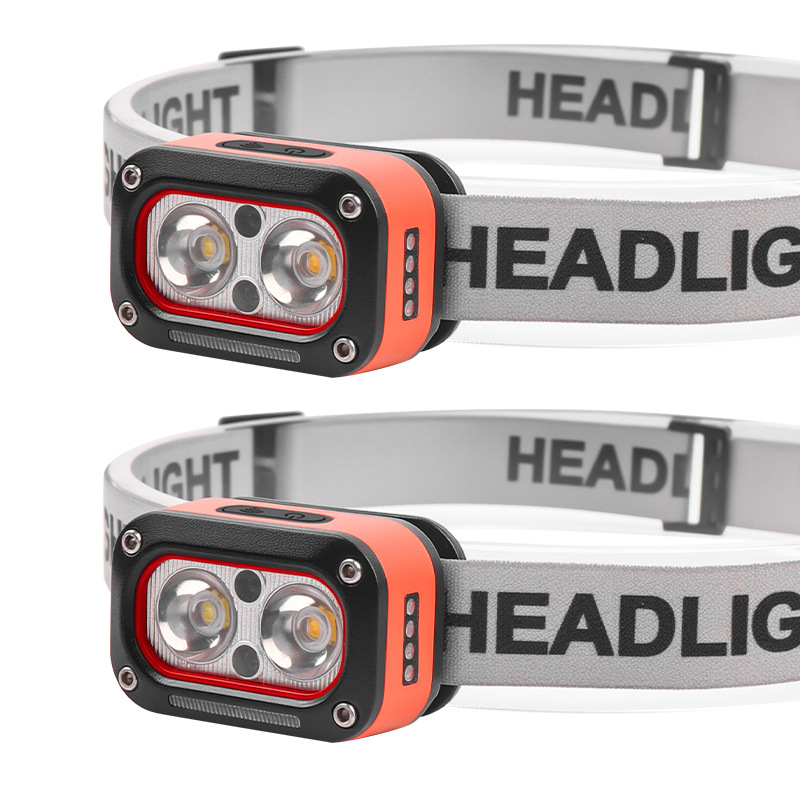
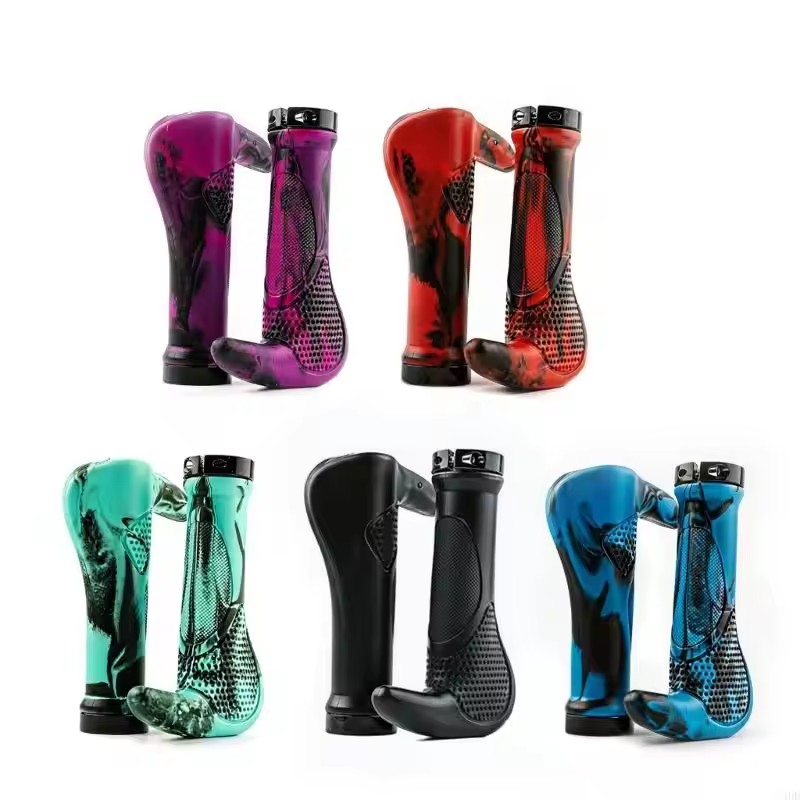
| Supply Chain Integration | Fragmented sourcing across 8+ sub-tier suppliers for cockpits, hubs, and accessories. | Consolidated SKU container loading: Forks, headsets, lights, pumps, and grips combined under one ISO inspection report. |
As e-bikes and gravel bikes proliferate in local shops, importers are also seeking components with flexible dropouts—specifically modular 12x100mm and 15x110mm Boost thru-axle options. Ensuring high torsional rigidity at the hub-fork junction prevents brake disc rubbing, a frequent complaint among consumers tackling rough mountain descents.
Our Industrial Strengths & Factory Verification
Operating out of Shenzhen, Guangdong—the epicentre of global advanced hardware and precision composite processing—Harke (Shenzhen) Technology Co., Ltd. serves as an onsite-verified manufacturer, trading entity, and global supply partner. With over ten years of deep-bench manufacturing experience, our operational methodology guarantees supply security for B2B buyers:
≤ 4-Hour Response Velocity
Our sales engineering desk operates on strict SLAs, maintaining a 97.41% verified response rate to ensure rapid quotation and drawing approvals.
Onsite-Verified Production
Independent factory auditing validates our floor footprint (1,000–3,000 m²), tooling infrastructure, and full multi-stage QA/QC pipelines.
Comprehensive OEM/ODM
Full support for private labeling, customized carbon weaves (3K, 12K, UD), matte/gloss clear coats, bespoke offset rakes, and laser branding.
Multi-Tier Incoterms
Flexible international terms including FOB, EXW, DDP, and DDU with end-to-end multi-currency payment handling (USD, EUR, GBP, AUD).
Frequently Asked Questions for Regional Importers
How do carbon fiber forks withstand high altitude and UV exposure in high-elevation regions?
What headset and steerer tube standards should be specified for replacement fleets?
What are the MOQ terms when combining carbon forks with cockpit and drivetrain hardware?
How does Harke prevent steerer crushing from improper stem clamping?
What quality assurance reports accompany high-volume component shipments?
Connect Directly with Our OEM/ODM Engineering Team
Whether you require sample validation for a new carbon fork line, full-container consolidation of cockpit hardware, or custom branding, our technical team responds within 4 hours.