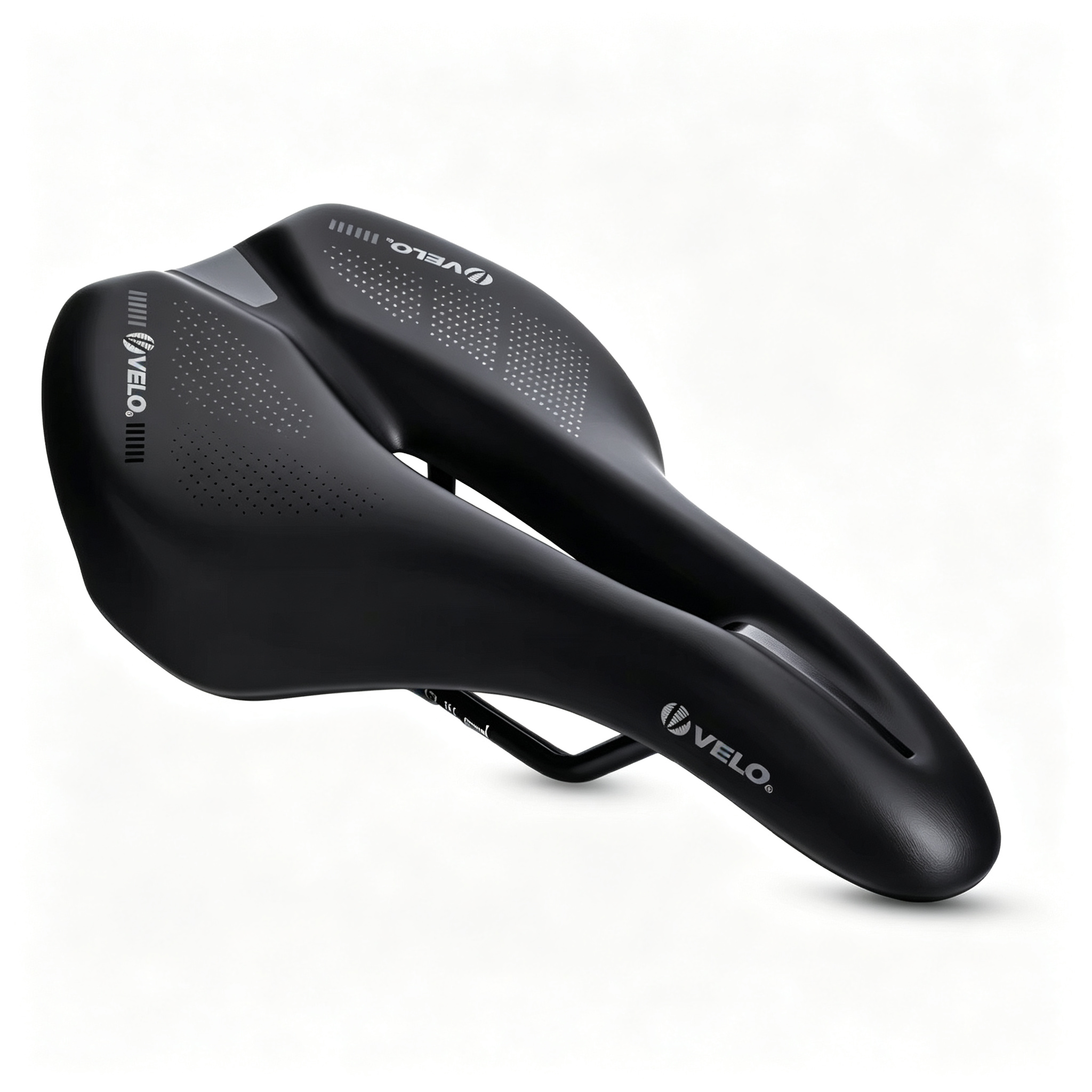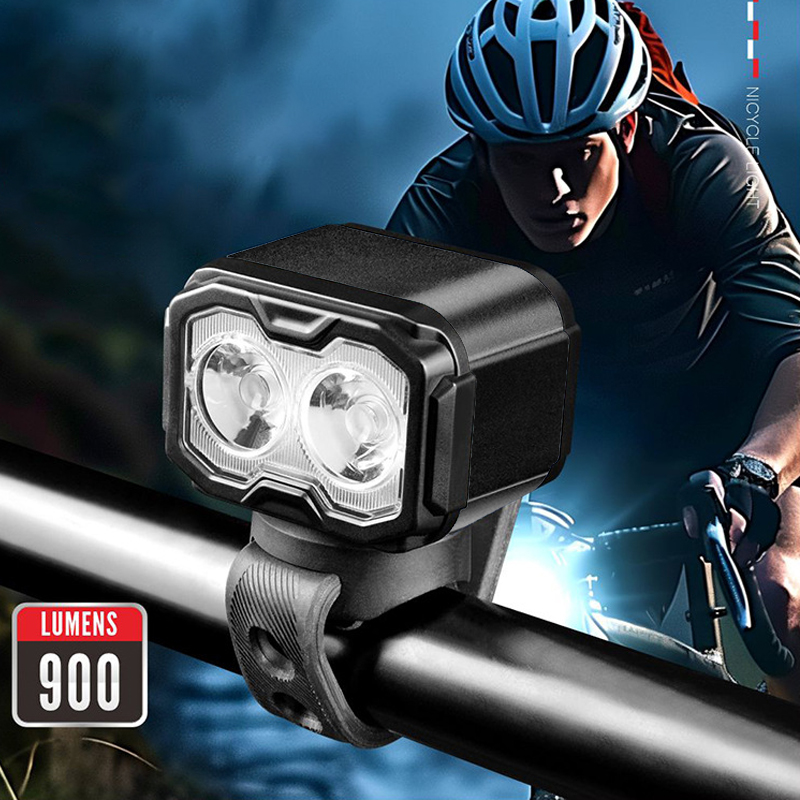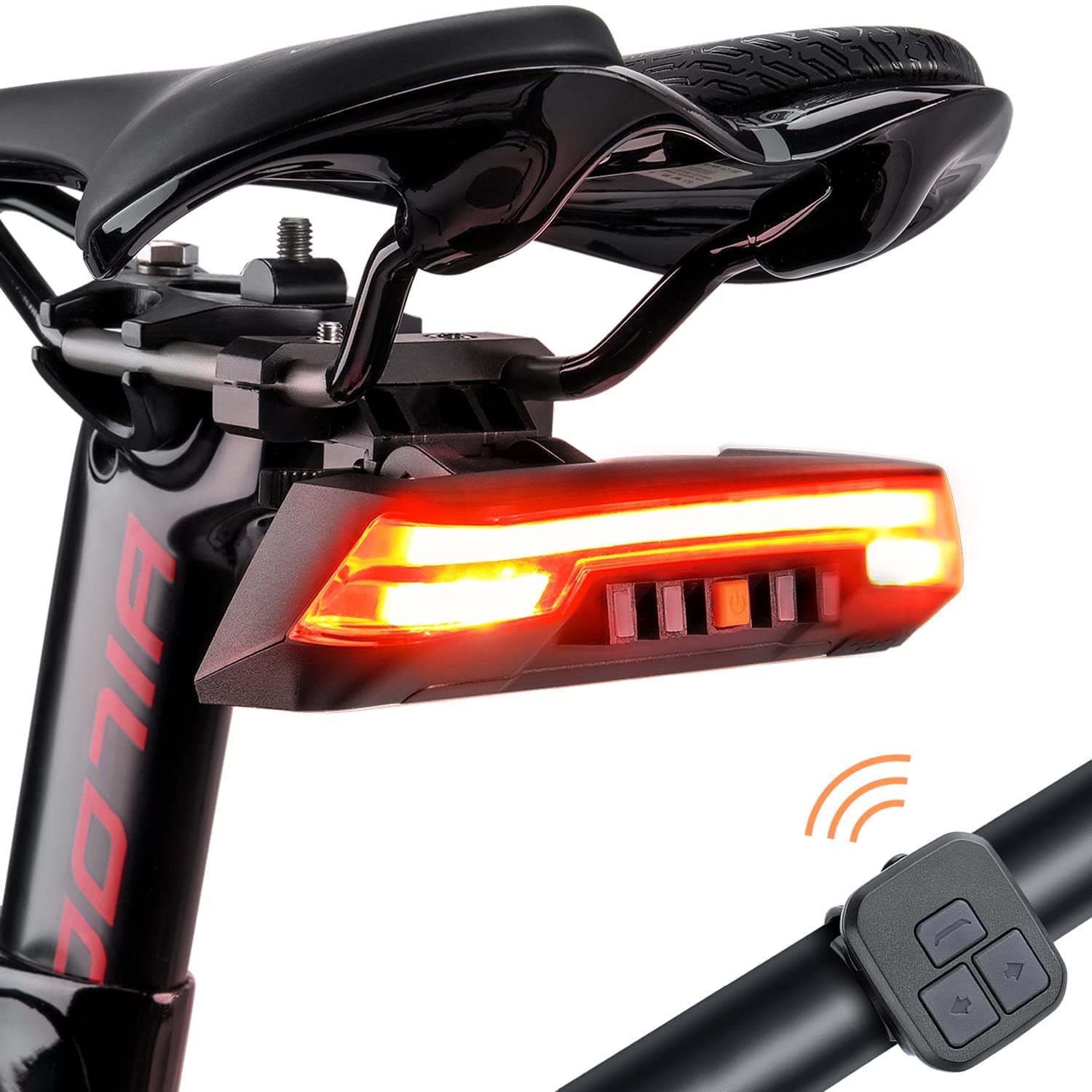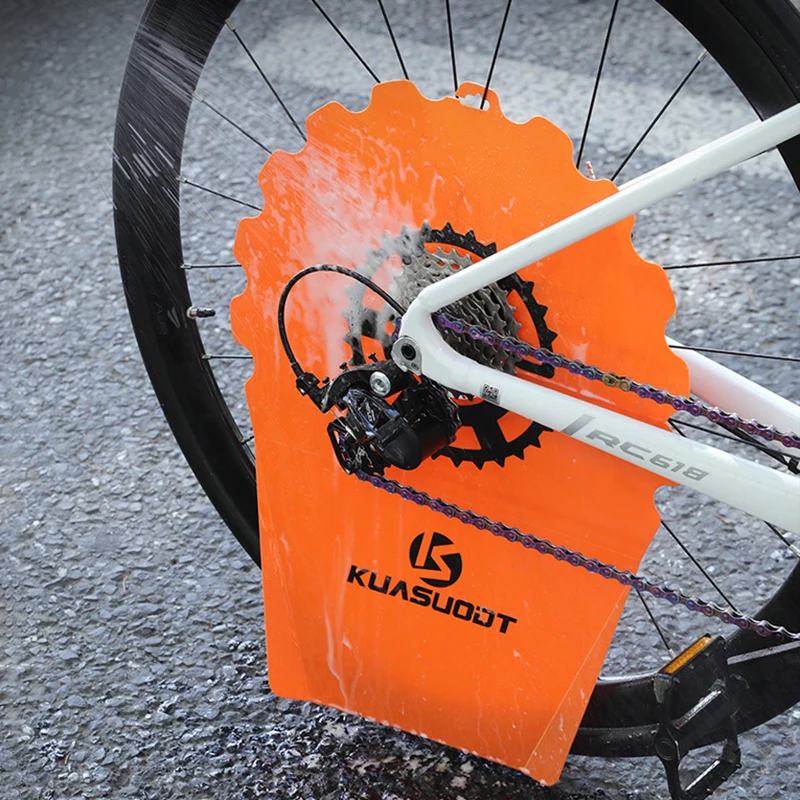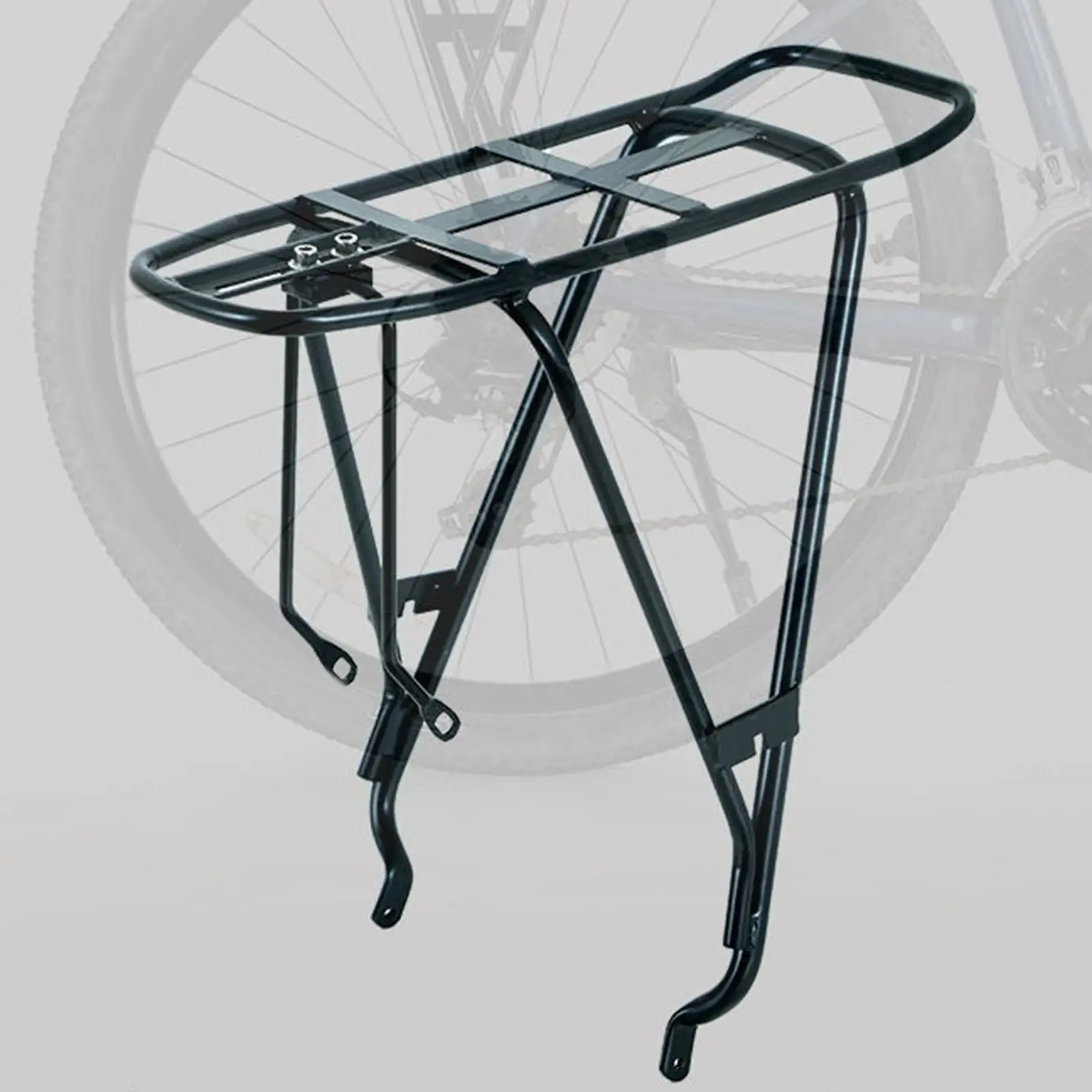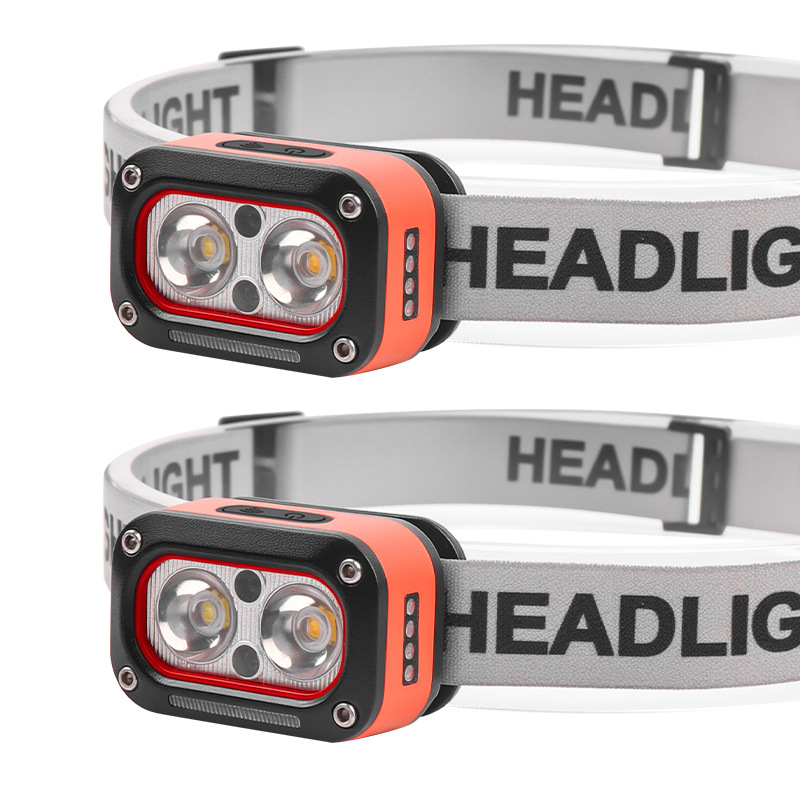
Super Bright LED Headlamp Rechargeable Sensor Headlight Waterproof Flashlight
- Smart wave-induction gesture control
- Multi-spectrum white & red auxiliary emitter
- High-capacity Type-C fast recharge cell
Direct supply from Harke Shenzhen. Fully certified for volume distribution with high yield rates, comprehensive batch serialization, and direct OEM integration capability.
Why Tier-1 micro-mobility brands, municipal bike-share fleets, and EU/US cycling importers are migrating from single-enclosure taillights to detached, split-pod directional signaling systems.
The core structural flaw of conventional all-in-one cycling taillights is optical convergence. When an indicator arrow is housed within a 60mm enclosure, motorists viewing the bicycle from 40 meters away perceive flashing light as an ambiguous point-source rather than an unmistakable left/right intention vector.
Our split architecture separates physical emitter modules across the seat stays, rack dropouts, or outer chassis rails. This physical spacing of 200mm to 350mm provides the essential spatial parallax required by automotive drivers to perceive turning trajectories in high-density urban environments instantly.
Deploying split wireless components requires rock-solid radio-frequency design. Operating on high-reliability 2.4GHz GFSK protocols or dynamic FHSS (Frequency-Hopping Spread Spectrum), our modules withstand RF interference in dense metropolitan environments surrounded by 5G, cellular, and Bluetooth noise.
The cockpit remote utilizes a low-power Nordic-based MCU, transmitting encrypted pairing commands with ≤ 8ms latency. Each pod unit processes identical microcode timers, preventing visual desynchronization or rolling flash anomalies during paired hazard-light operation.
Outdoor micro-mobility demands resilience against high-pressure washouts, constant road vibration, salt spray, and extreme temperatures. Our split pods are injection-molded using Bayer virgin PC/ABS blends sealed via automated ultrasonic welding or precision IPX6-rated silicone co-molding gaskets.
Internally, our products employ high-density lithium polymer chemistry fitted with hardware-level Seiko ICs guarding against over-charge, over-discharge, short circuit, and thermal runaway, ensuring trouble-free UN38.3 sea/air cargo transit and UL compliance.
| Engineering Attribute | Traditional Integrated Taillight | Harke Industrial Split Architecture | B2B Distributor Advantage |
|---|---|---|---|
| Luminous Separation | 40mm – 65mm total width | 180mm – 420mm adjustable separation | Eliminates driver confusion; complies with emerging safety audits |
| RF Transmission Frequency | Generic 433MHz simplex RF | 2.4GHz Encrypted Protocol with Channel Hopping | Prevents signal cross-talk with nearby e-bikes or urban cell towers |
| Braking Telemetry | Manual switch or absent | Integrated 6-Axis Accelerometer (Triaxial G-sensor) | Automotive-grade instant 100% duty cycle brake illumination |
| Battery Architecture | Single central battery cell | Independent dual matched Li-Po cells + Type-C charging | Balanced weight; modular maintenance and longer operating runtime |
| Chassis Sealing | Snap-fit with basic rubber ring | Precision Ultrasonic Welded Housing (IPX6 certified) | Protects against monsoon rain, winter road brine, and wash-downs |
How distributor partners across Europe, North America, Oceania, and emerging Asian regions deploy Harke's split turn signal hardware into localized channel ecosystems.
In high-density cycling hubs across Germany, the Netherlands, Denmark, and France, cargo bike (Long-John and Long-Tail) usage has surged. Because oversized transport boxes and child canopies obstruct the rider's physical hand signals, our split indicators provide the ideal wide-chassis safety solution.
Furthermore, rapid revisions to StVZO (German road traffic regulations) permit electric turn indicators on cargo trikes and specific multi-track cycles. Harke supplies German and French importers with compliant amber color spectrums (590nm–595nm wavelength) and anti-dazzle optics.
The North American bicycle market differs sharply from Europe: wide, multi-lane suburban arterials with vehicles traveling at 45 to 55 mph. Cyclists and food delivery couriers in cities like New York, Chicago, and San Francisco face severe high-speed rear-end collision hazards.
Importers serving DoorDash, UberEats, and consumer e-bike commuters leverage Harke's split turn signals combined with high-lumen brake pulses (delivering up to 120 peak lumens) to alert drivers well before turning movements or emergency deceleration.
Across Australia and New Zealand, stringent ADR (Australian Design Rules) guidance and active state safety enforcement have propelled high demand for active signaling accessories among recreational and utility riders.
Concurrently, shared electric scooter and moped platforms require bolt-on, tamper-proof split indicator pods that integrate onto cylindrical rear swingarms. Harke supplies custom bracket assemblies and tamper-resistant torx security fasteners designed specifically for rental operators.
Stay ahead of consumer market shifts. As high-end cycling convergence gathers pace, our Shenzhen R&D engineering lab is actively integrating next-generation vehicle technologies into production lines.
While wireless remotes remain the leading choice for the aftermarket, OEM e-bike assemblers are demanding split turn signals that draw power directly from the central drive unit (Bosch, Shimano, Bafang, Brose). Harke is engineering wide-voltage step-down modules (6V–60V input) that connect directly to central display toggles, streamlining installation and eliminating battery management overhead.
Rear-facing 24GHz and 77GHz micro-radar sensors are rapidly entering mainstream consumer cycling. The upcoming generation of Harke split turn signals features an integrated radar feedback loop: when overtaking vehicles are detected approaching at dangerous closing speeds (>30 km/h differential), the split pods automatically intensify flash strobe frequency to alert the driver before impact.
Anti-theft functionality has evolved from a secondary feature into a core purchase requirement. Harke is introducing licensed Apple Find My network PCB micro-arrays housed directly within the sealed split pod chassis, allowing cyclists to track their vehicle globally while deterring theft via motion-triggered 110dB audible piezo alarms.
Founded in 2019 in Shenzhen—the global center of optoelectronic engineering and lithium battery manufacturing—Harke Technology operates on the core principle of "Quality First, Client Foremost".
Verified production facility spanning 1,000–3,000 m² equipped with automated SMT placement, ultrasonic welders, and optical testing goniophotometers.
Our multilingual B2B technical sales engineering team maintains a documented 97.41% response rate, delivering rapid spec sheets and quotes within 4 business hours.
Lower initial inventory risk: prototype trial orders start from 1 to 5 sets on core components, scaling reliably to full 40-foot high-cube container programs.
Comprehensive custom tooling, CNC machining, tailored optical TIR mold cutting, custom UI/UX remote firmware coding, and private-label eco-packaging solutions.
Seamless international trade terms: accepting USD, EUR, GBP, AUD, CAD, JPY, CHF, and CNY via secure T/T, L/C, and Western Union escrow arrangements.
Full logistics operations supporting EXW, FOB Shenzhen/Hong Kong, CIF, and full door-to-door DDP/DDU clearance including hazardous-material lithium documentation.
Every lot undergoes 100% incoming raw-material inspection, automated in-line PCBA solder diagnostics, 4-hour burn-in tests, and drop-tank waterproofing verification.
Backed by over a decade of core optoelectronic and bicycle hardware experience, providing structured CAD/BOM feasibility reviews before cutting steel molds.
Direct technical and operational answers to the most common inquiries raised by international procurement managers, QA auditors, and catalog directors.
For standard in-stock neutral packaging variants, our minimum order quantity starts as low as 5 sets to support rapid e-commerce testing and market validation. For complete OEM private-label production—including custom silkscreen logo placement, branded packaging cartons, custom injection-molded colorways, and bespoke user manuals—the standard MOQ is 500 to 1,000 units per production run.
Our wireless remote and receiver pods operate on an encrypted 2.4GHz GFSK channel architecture utilizing unique 32-bit digital hardware ID pairing. During assembly or customer pairing, the remote binds exclusively to the left and right receiver chips. Even in packed urban intersections or mass cycling rallies with hundreds of wireless devices nearby, cross-talk and phantom activation are completely engineered out.
We supply a complete regulatory dossier for every export shipment. This includes CE certification (RED Directive for wireless components, EMC, LVD), RoHS 2.0 hazardous material compliance, FCC Part 15C certification for US radio transmitters, and complete UN38.3, MSDS, and 1.2-meter drop-test reports essential for air and maritime transport of lithium-ion batteries.
Our circuit boards incorporate a 6-axis MEMS accelerometer paired with an active DSP filtering algorithm. The system continuously evaluates deceleration rates versus vertical vibration profiles. Sudden potholes, cobbles, and gravel washboard terrain are dynamically filtered out, triggering the high-output brake light mode only when bona-fide kinetic braking occurs.
Standard catalog samples are dispatched within 24 to 48 hours for evaluation. Functional OEM prototypes with custom branding or firmware revisions are completed within 7 to 12 working days. Full mass-production runs typically take 25 to 35 calendar days following golden-sample signoff and purchase deposit receipt.
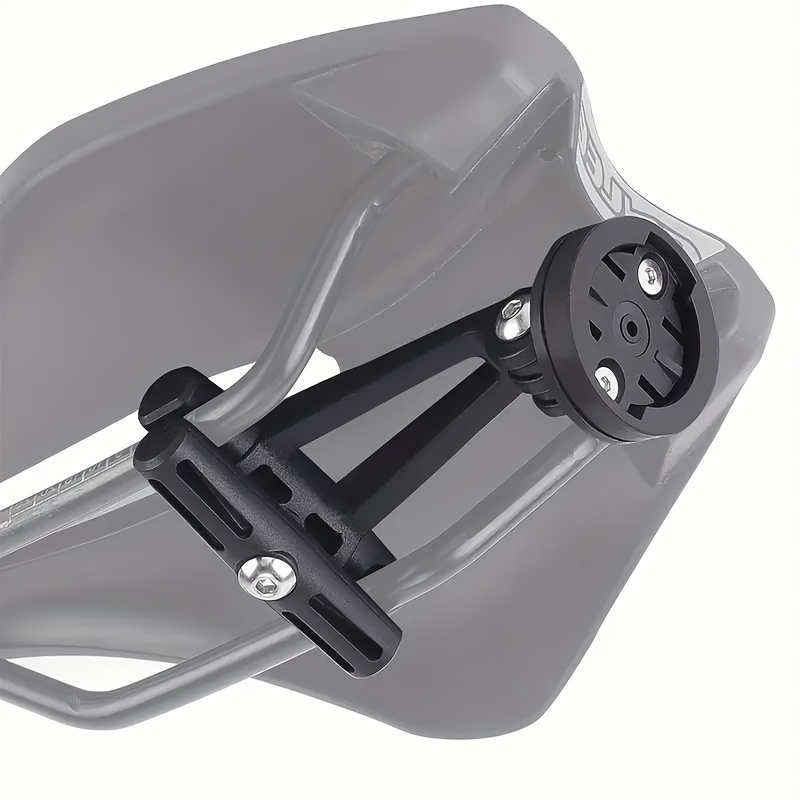
Yes. As an integrated manufacturer, trader, and distributor, Harke regularly consolidates orders. You can combine split turn signals, high-pressure smart electric pumps, CNC saddle mounts, repair stands, and drivetrain hardware into a single mixed-SKU container or LCL pallet shipment under a single bill of lading to minimize customs fees and landed shipping overhead.