High-Performance Components & Workshop Lineup
Manufactured in our Shenzhen facility with rigorous QC inspections, engineered for commercial resilience across European distributor and bike shop networks.
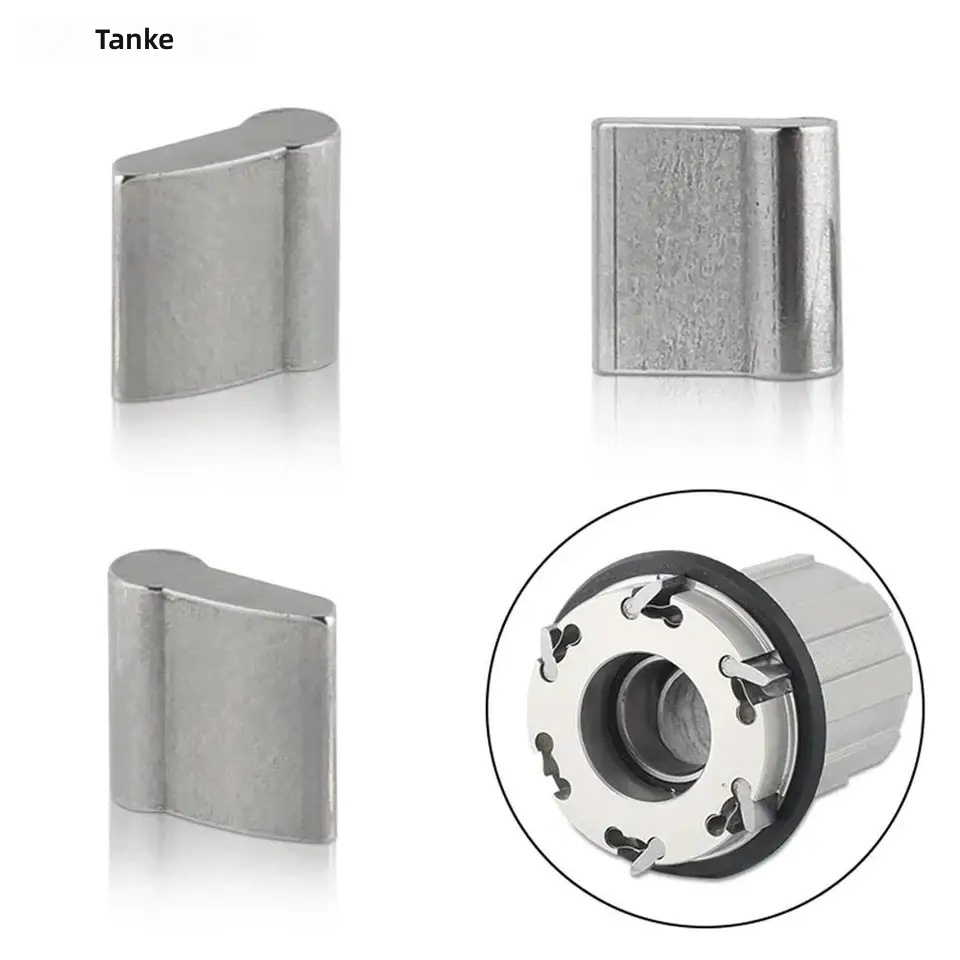
TANKE Stainless Steel Bicycle Freehub Pawl Kit Multiple Ratchet Pawl Spring Set
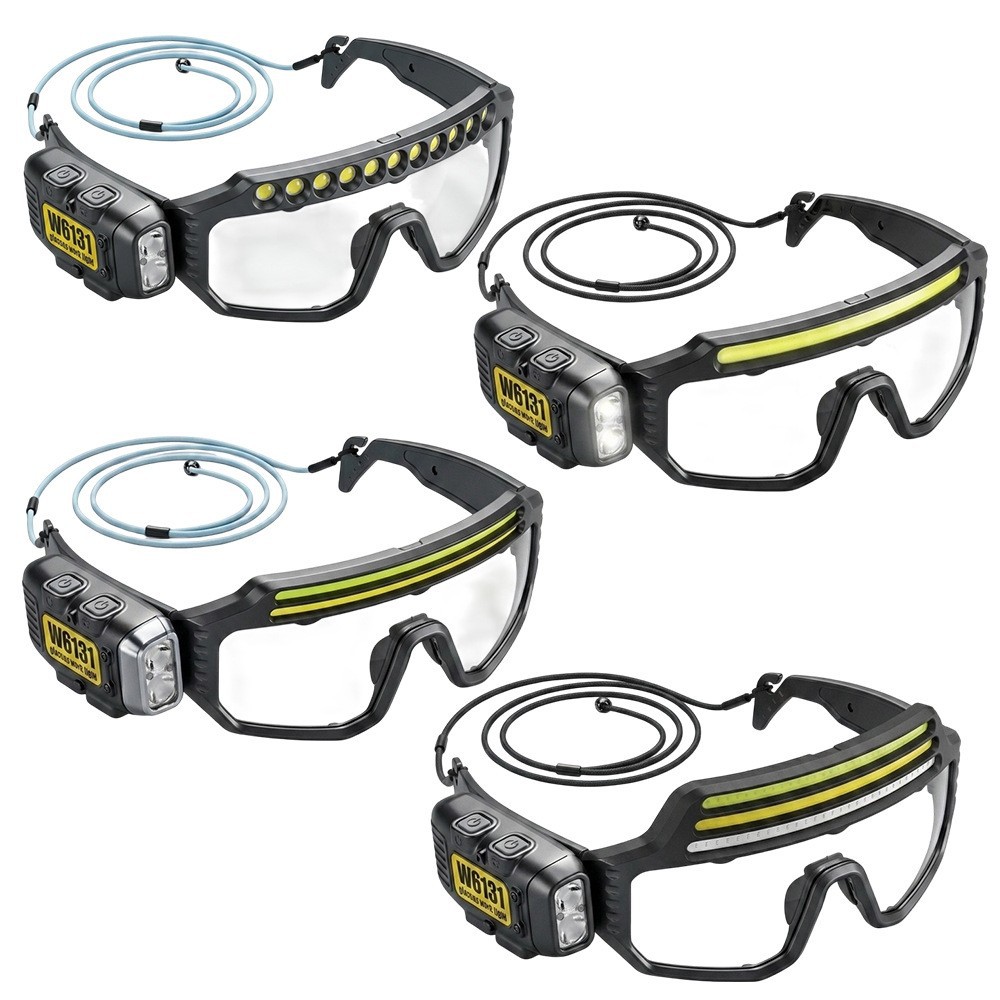
LED Safety Glasses Headlights Multifunctional Goggle Light TYPE-C Rechargeable
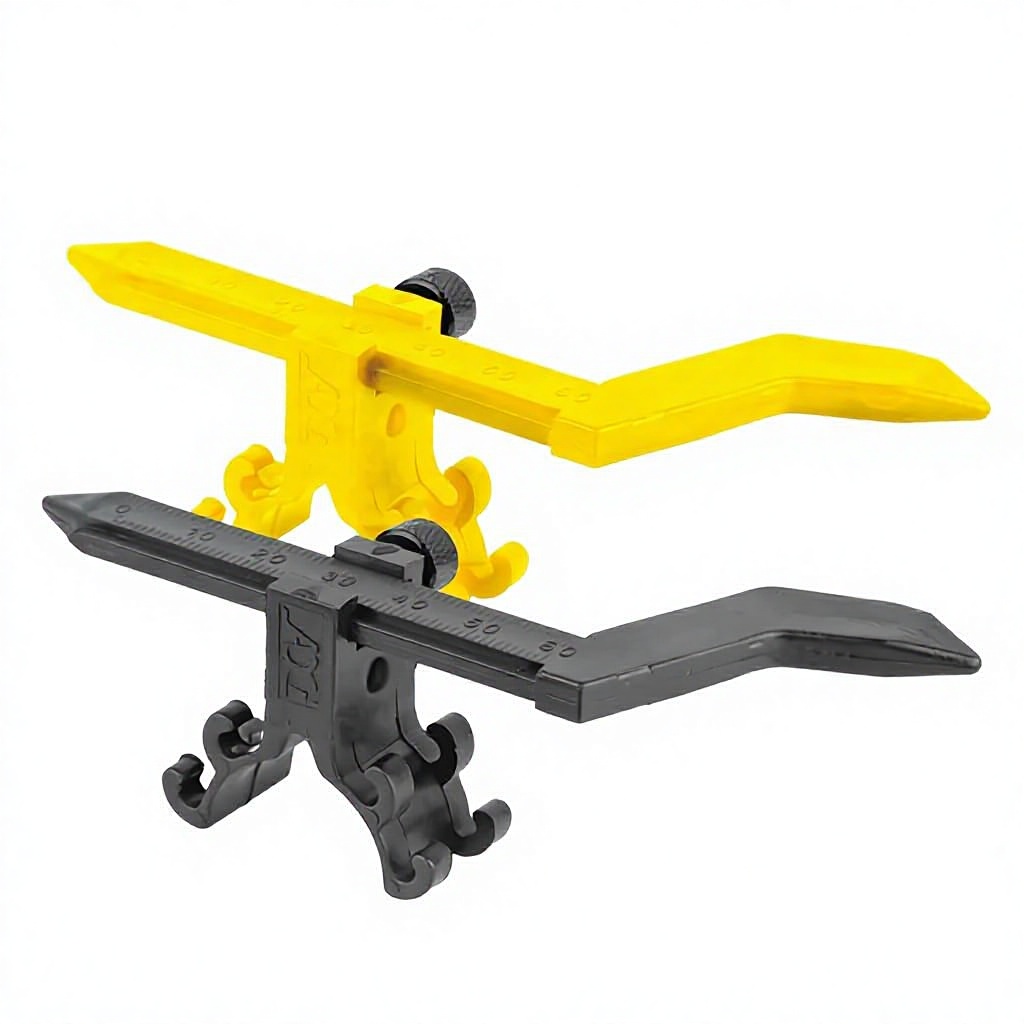
Compact Bike Rim Adjustment Gauge Built-In Scale Ruler Silicone Strap
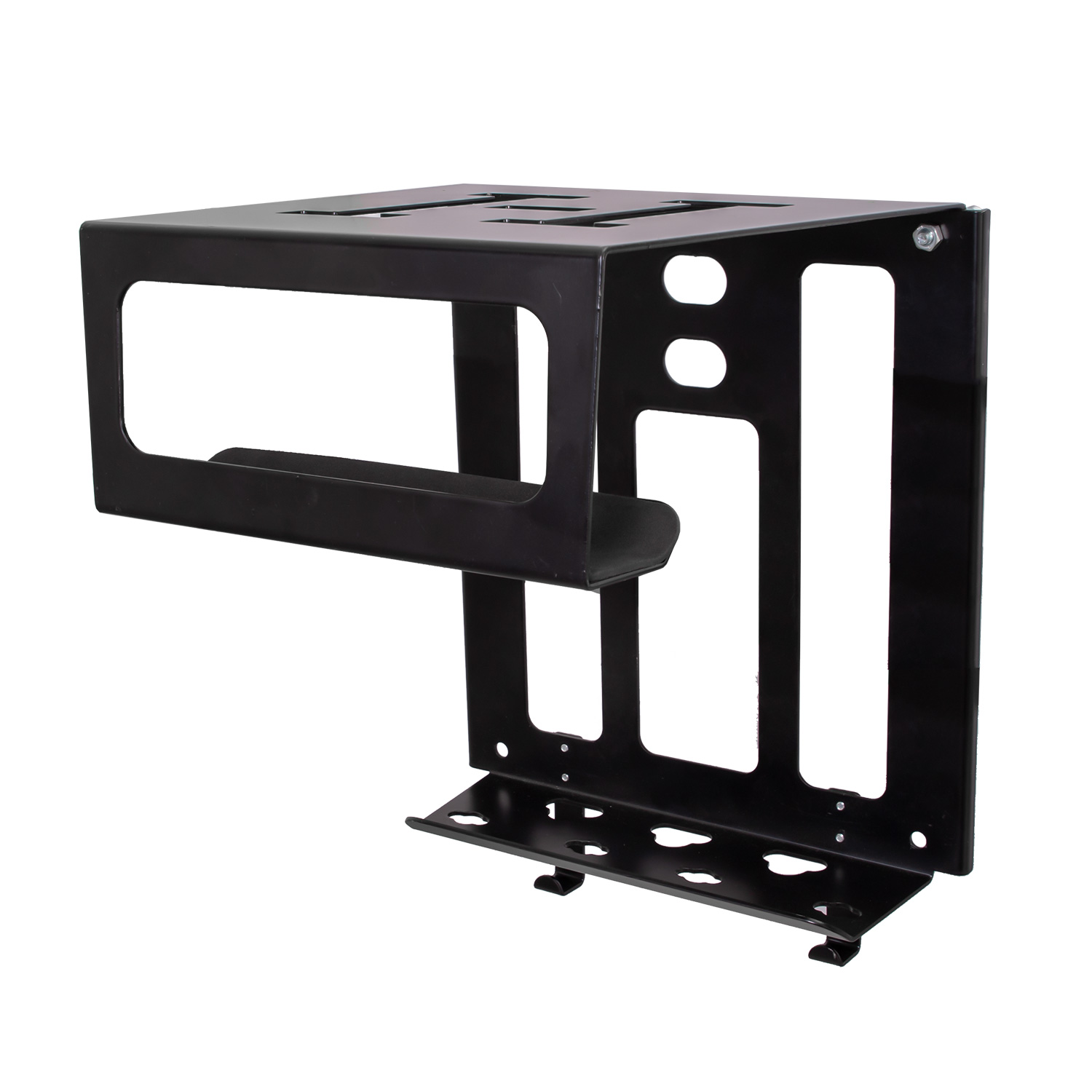
Heavy Duty Bicycle Wall Mount Rack Hot-Rolled Steel 25KG Max Load Capacity
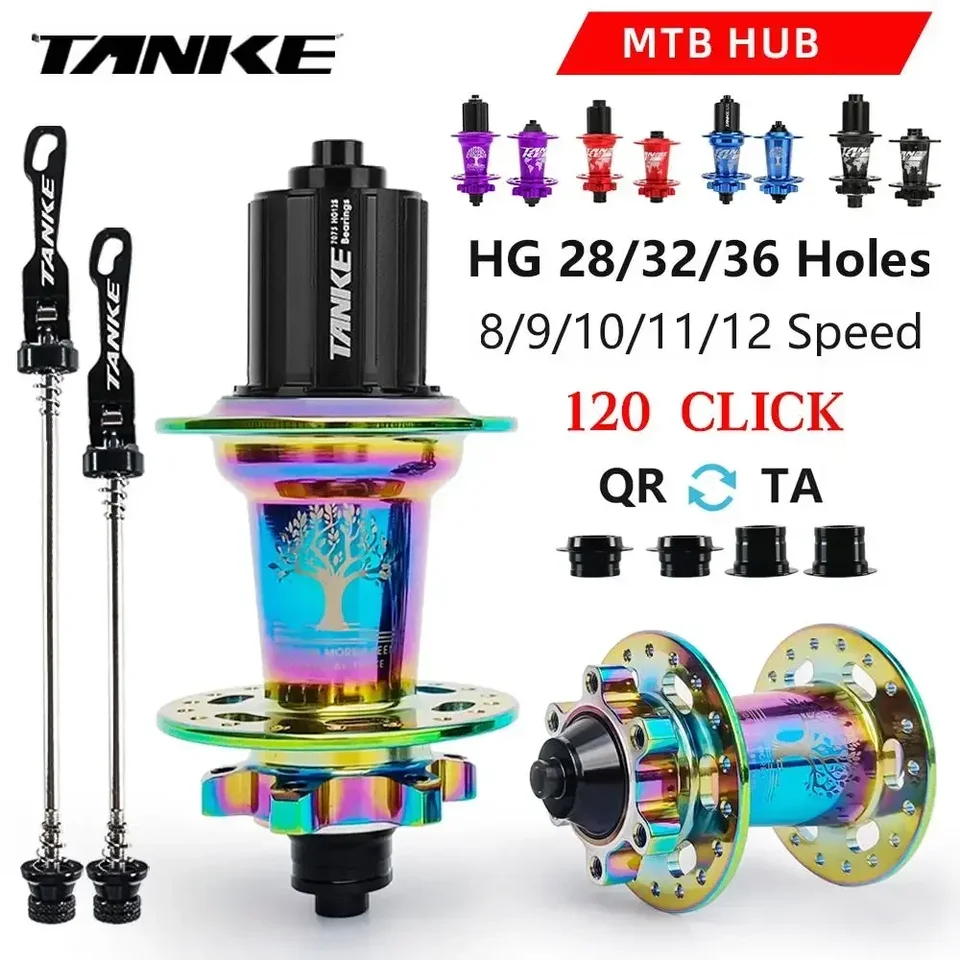
TANKE MTB 120 Click Hub 6 Bearing Front & Rear Disc Brake QR Noisy Cube Hubs
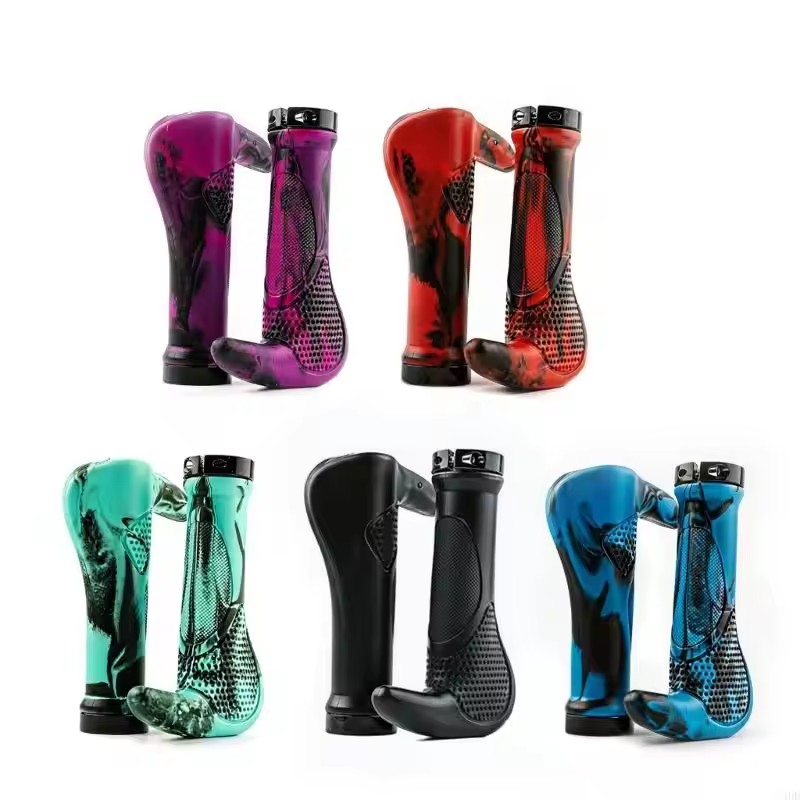
Shockproof Bike Handlebar Grips Anti-slip MTB Road Bike Ergonomic Covers
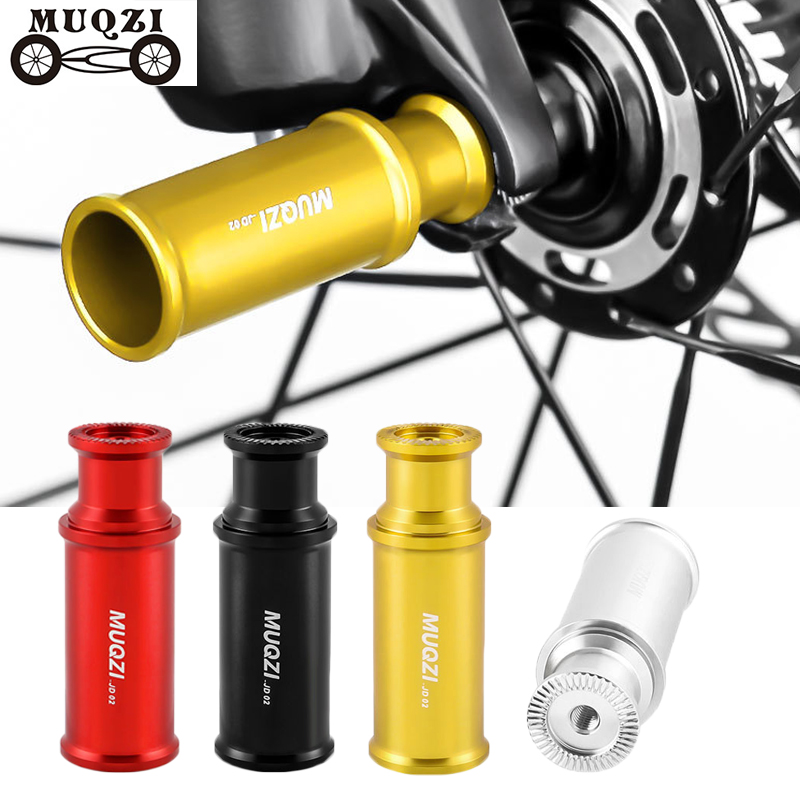
CNC Aluminum Solar LED Quick-Release Hub Mount Dual-Use Derailleur Protector
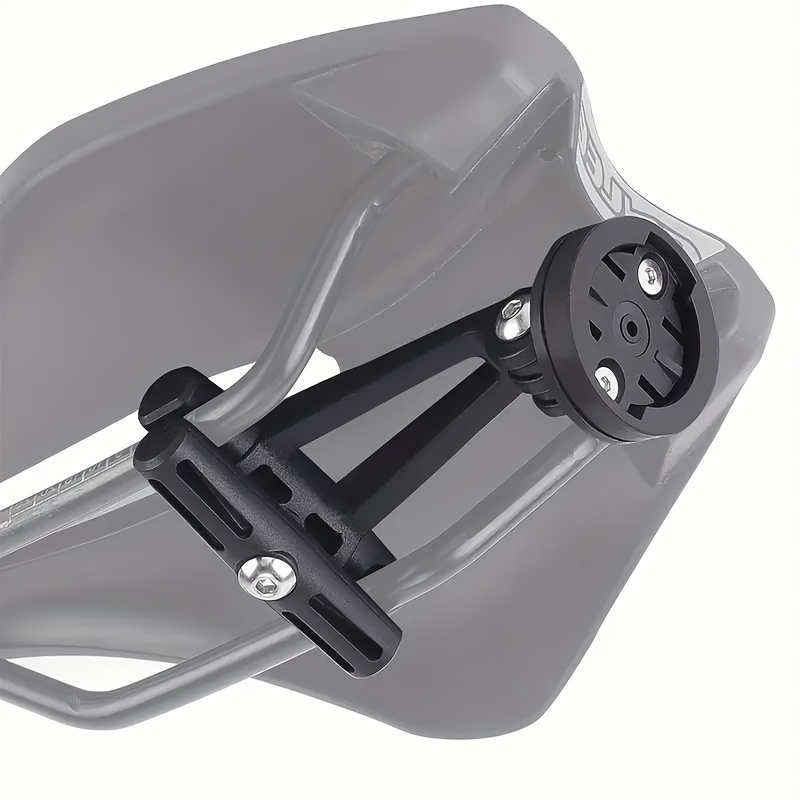
Bicycle Saddle Rail Mount Bracket Direct Drive 45 Degree Adjustable Angle
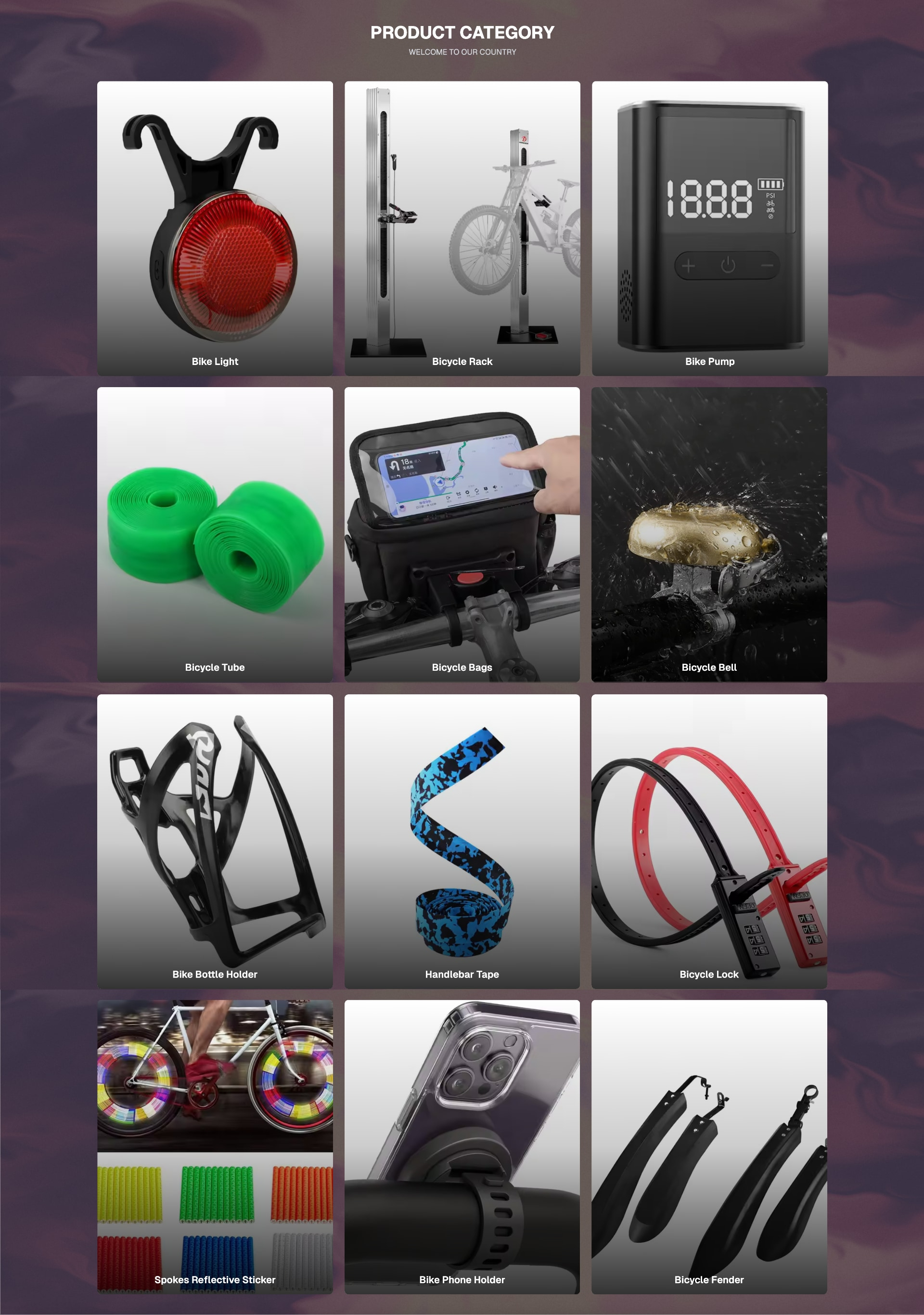
Engineering Custom OEM Bike Tire Liners for Extreme Puncture Resistance
In high-latitude European markets such as Latvia, the bicycle tire liner is not a commoditized plastic strip; it is a critical protective barrier that operates at the direct physical interface of tire tread deformation, internal pneumatic pressure, and abrasive road debris. B2B procurement managers sourcing custom OEM tire liners must evaluate tensile strength, elasticity memory, thermal degradation thresholds, and composite shore durometer ratings to prevent premature failures on punishing Nordic gravel and cobblestones.
Harke (Shenzhen) Technology Co., Ltd. applies advanced co-extrusion and calibrated polymer formulation protocols to produce custom-width, ultra-thin, high-density Thermoplastic Polyurethane (TPU) and modified polyurethane elastomer tire liners. Our production lines feature multi-cavity precision extrusion tooling capable of maintaining a uniform thickness tolerance of ±0.03 mm across rolls spanning 20 mm to 90 mm widths.
Co-Extruded Modified TPU
Formulated with high-molecular-weight polyether polyurethanes delivering exceptional puncture deflection against sharp quartz, flint, and glass shards without brittle fracture at cold temperatures down to -30°C.
Featherweight Rolling Dynamics
Engineered with tapered edge profiles (0.5 mm feathered borders stepping up to a 1.2 mm center crown), eliminating inner-tube pinch abrasions and minimizing rotational hysteresis resistance.
Cold-Climate Shore A Stability
Unlike standard PVC liners that become brittle and fracture under Baltic winter freezes, our custom polymers retain elasticity between Shore 88A and 92A across wide temperature swings (-25°C to +40°C).
Defeating Mechanical Puncture Mechanisms
Punctures typically occur via two mechanical modes: point-load intrusion (thorns, nails, sharp gravel) and circumferential pinch friction (chafing between tire casing cord and inner tube). Standard thin plastic rim strips fail to deflect angular rock fragments because they lack energy dissipation mechanics.
Our OEM tire liners utilize an anisotropic polymer alignment technique during extrusion. Polymer chains are pre-oriented longitudinally along the circumference of the liner. When a foreign body penetrates the outer tread rubber, the lateral structural density of the liner deflects the object along the tangential curve rather than allowing perpendicular penetration into the tube chamber.
Localized Latvia Cycling Scenarios & Operational Demands
Latvia presents a distinctive cycling landscape in Northern Europe. Featuring a combination of historic cobbled city centers, extensive gravel road networks (grants ceļi), coastal pine forest sandy singletracks, and intense seasonal winter road salting, bicycle equipment distributed in Latvia is subjected to severe mechanical wear and harsh chemical environments.
Old Riga (Vecrīga) & Urban Commuting
Irregular granite cobblestones, tram track crossings, and pavement curbs across Riga, Daugavpils, and Liepāja impart violent cyclic impacts. Liners prevent rim-pinch flats while guarding against broken glass fragments prevalent in high-density urban transit nodes.
Unpaved Regional Gravel (Grants Ceļi)
Over 40% of regional connecting roads in Vidzeme, Kurzeme, and Latgale feature crushed dolomite and unpaved gravel with razor-sharp mineral edges. Liners provide high-velocity shard deflection for gravel grinders and regional trekking commuters.
Baltic Winter De-Icing Slurry
From November to March, Latvian municipalities use aggressive sand-salt mixtures and technical brine. Ingress of saline moisture into tire casings degrades inferior plastics. Our modified TPU resists saline corrosion and maintains pliability down to -30°C.
Heavy Cargo & E-Bike Commuter Fleets
With electric delivery bikes and S-pedelecs operating at sustained 25–45 km/h speeds under 120–160 kg gross loads, tread heat and pressure spikes multiply puncture risks. OEM liners distribute dynamic contact stresses across the casing.
EuroVelo 10 & 13 Touring Corridors
Latvia is a pivotal transit zone for EuroVelo 10 (Baltic Sea Cycle Route) and EuroVelo 13 (Iron Curtain Trail). Long-distance bike packers traversing the coastal stretches through Jūrmala, Kolka, and Ventspils face abrasive marine sand mixed with dried thorn vegetation and sharp shale.
A mid-tour flat in remote sections of Slītere National Park or Gauja river valley results in substantial downtime. Latvian bike rental operations, touring companies, and regional dealerships specify our high-density puncture liners as mandatory baseline pre-install equipment on their fleets to guarantee zero-downtime reliability.
Macro Trends Shaping Cycling Accessory Procurement in Latvia
Analyzing procurement patterns in Riga and the wider Baltic territory reveals key structural shifts influencing wholesale demand for tire protection and peripheral accessories:
1. The E-Mobility Acceleration
Electrically assisted cargo bikes and e-city commuters are rapidly replacing secondary motor vehicles in Riga's city center under EU Green Deal initiatives. Heavier bicycle curb weights make on-the-go roadside tube repairs exceptionally difficult for end users, elevating puncture-prevention liners from an optional aftermarket add-on to essential standard equipment.
2. Gravel & All-Road Dominance
Gravel cycling is experiencing unprecedented growth in Latvia. Riders demand liners compatible with wide tire clearances (700x38C to 700x48C and 650B) running moderate pressures (35 to 55 PSI). Liners must balance puncture resilience with low rolling resistance, avoiding the sluggish rotational weight typical of obsolete rubber thickeners.
3. Strict EU REACH & Environmental Compliance
Latvian distributors operating under European Union trade jurisdiction enforce strict compliance with REACH (EC 1907/2006) regulations regarding phthalates, polycyclic aromatic hydrocarbons (PAHs), and SVHC chemicals. Harke guarantees all raw TPU and polyurethane formulations meet eco-toxicological safety certifications.
Comparative Performance Analysis: Protective Tire Solutions
B2B buyers frequently compare custom extruded polymer liners with alternative puncture mitigation technologies such as liquid tire sealants, heavy belted tires, and basic PVC rim tapes. The matrix below clarifies why tailored OEM TPU liners offer superior commercial and operational ROI for the Latvian market:
| Protection Technology | Puncture Deflection | Sub-Zero (-20°C) Behavior | Rotational Weight Penalty | Maintenance & Shelf Life | Commercial Scalability |
|---|---|---|---|---|---|
| Harke Custom OEM TPU Liner | Extreme (Shore 90A Elastic Deflection) | Full Flexibility; Zero Embrittlement | Minimal (38g – 65g per wheel) | Zero maintenance; 5+ years operational lifespan | High margin; custom OEM branding, colors, and blister packaging |
| Liquid Latex Sealant (Tubeless) | Moderate (Seals up to 3–5 mm cuts) | Freezes or thickens unless anti-freeze additives used | Medium (60g – 120g liquid per wheel) | Dries out every 3–6 months; messy top-ups required | Ongoing recurring cost; higher retail resistance from casual commuters |
| Heavy Integrated Rubber Belts | High (Dense 3 mm – 5 mm sub-tread) | Becomes rigid; drastically slows rolling speed | Heavy (adds 250g – 450g per tire) | Permanent to the tire; non-transferable upon tread wear | Fixed SKU specification; cannot retrofit existing wheel inventories |
| Standard Low-Grade PVC Strip | Poor (Brittle puncture penetration) | High risk of cold-cracking and rim slippage | Low (25g – 40g per wheel) | Prone to splitting along mold seams within 12 months | Low-cost commodity; minimal brand loyalty or distinction |
Harke Shenzhen Technology: Your Production Partner for the Baltics
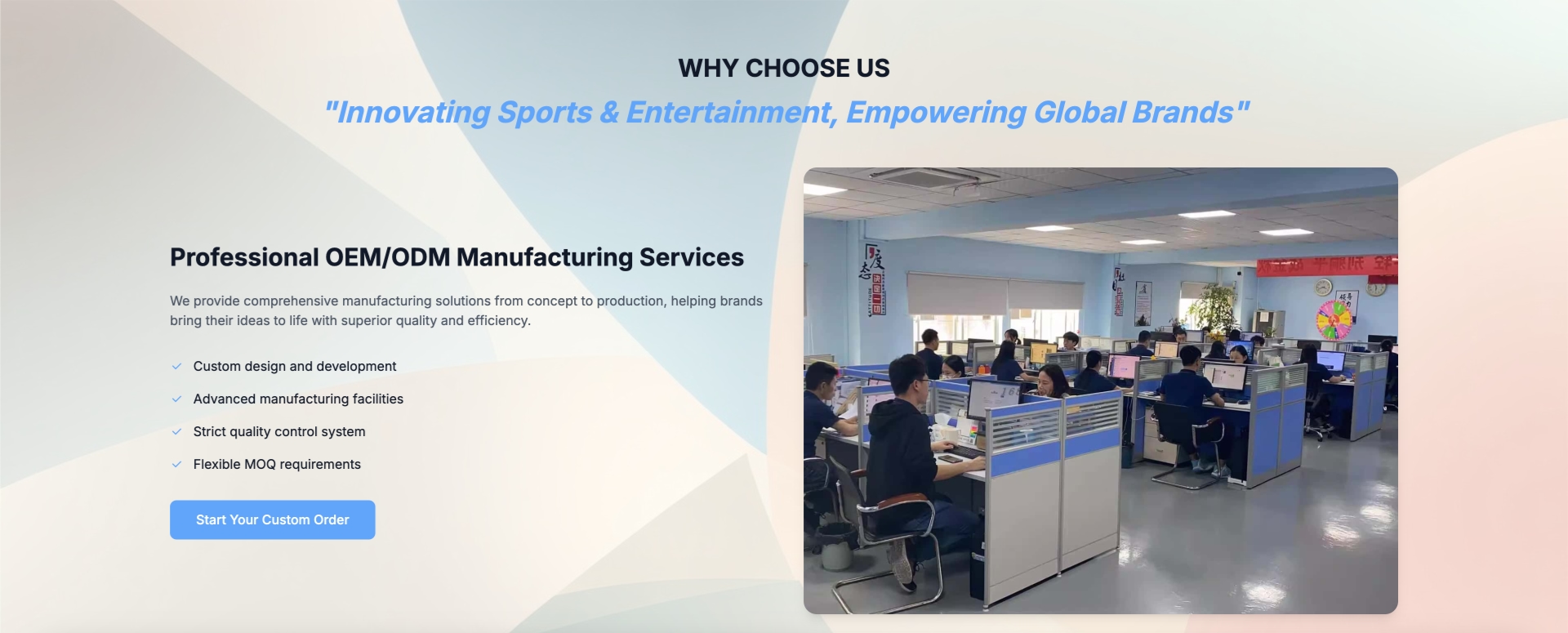
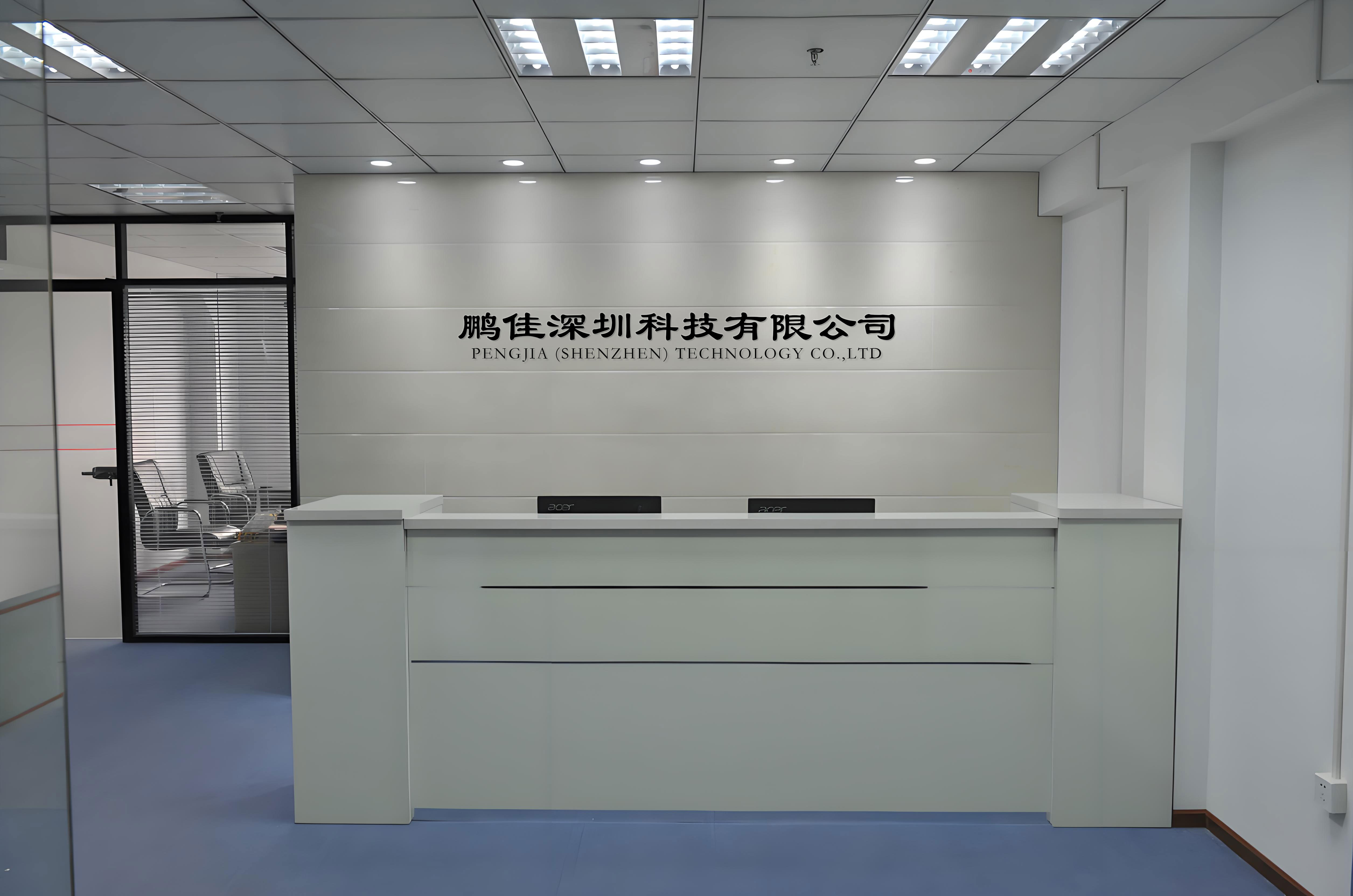
Headquartered in Shenzhen, China — the global epicenter of precision hardware manufacturing, electronics, and advanced polymers — Harke (Shenzhen) Technology Co., Ltd. serves as an onsite-verified manufacturer, developer, and export distributor of cycling accessories. Backed by more than ten years of industry experience, our facilities integrate modern extrusion lines, multi-axis CNC machining, ultrasonic welding, and stringent quality control protocols.
Onsite-Verified Manufacturing Facility
Our production plant covers 1,000 to 3,000 square meters of organized floor space, fully verified on-premises by global inspection agencies. We operate with an annual production output scaling from US$1M to US$2.5M, supporting buyers across Europe, North America, and worldwide.
Documented ≤ 4-Hour Response Protocol
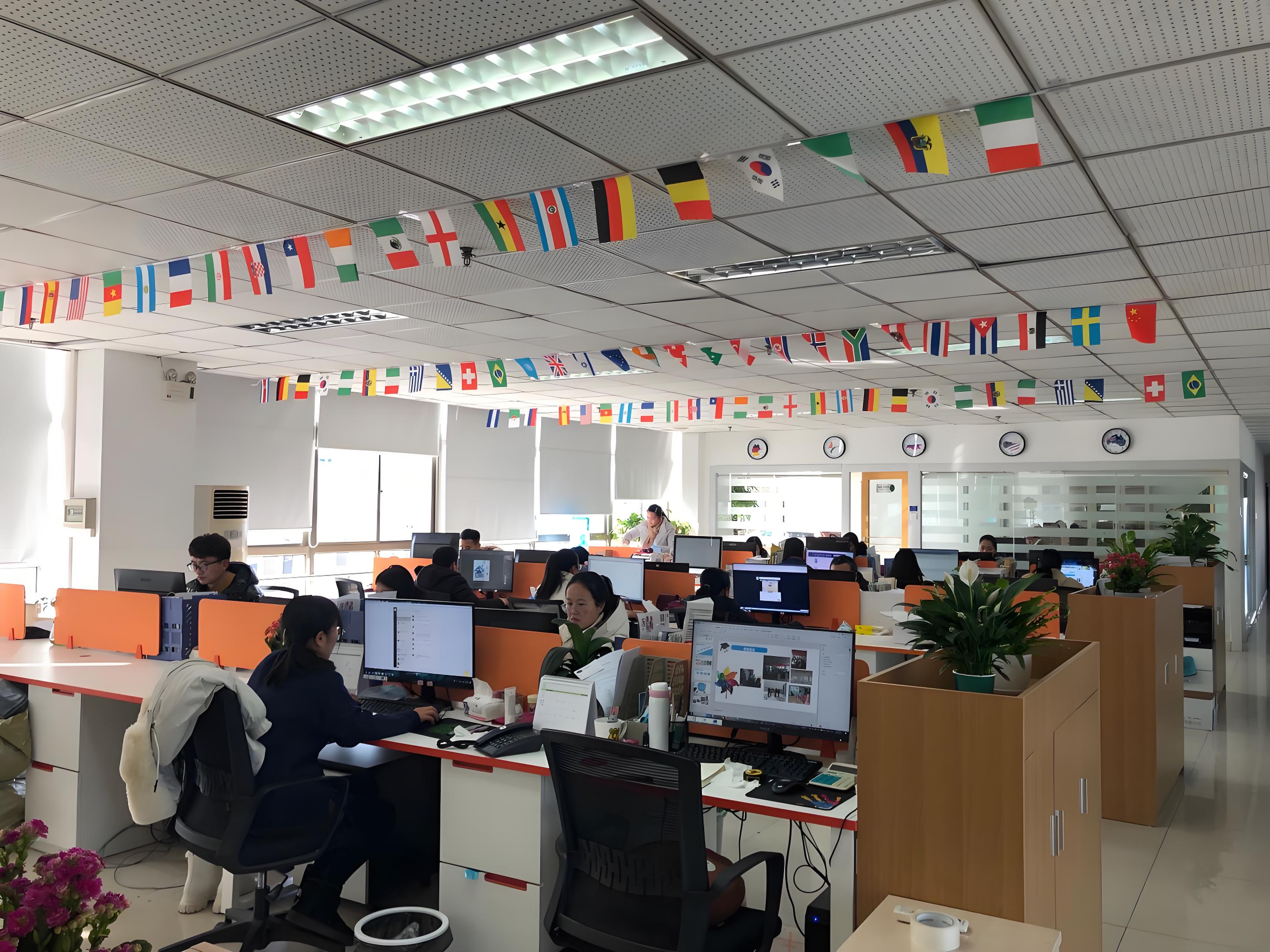
With an audited 97.41% inquiry response rate, our dedicated B2B engineering and sales support staff operates with average reply times under 4 hours. Latvian buyers receive rapid quotations, bilingual technical datasheets, and continuous project tracking without friction.
Comprehensive B2B Shipping Terms (DDP / DDU / FOB)
We routinely manage ocean container freight, air express, and multimodal rail shipping directly to the Port of Riga, Riga International Airport, or doorstep warehouse delivery in Latvia under DDP (Delivered Duty Paid) terms, handling all customs formalities smoothly.
Flexible MOQs & Consolidations
From initial market-testing trial batches starting at low minimums up to full 40ft high-cube container runs, we allow mixed SKU consolidation. Pair custom bike tire liners with pumps, repair stands, lights, and CNC hubs in a single coordinated shipment.
Full OEM/ODM Branding & Packaging
Elevate your local brand identity across the Baltic marketplace with customized laser marking, bespoke polymer color dyeing (matching RAL/Pantone schemes), branded blister packs, recyclable cardboard reels, and Latvian/English bilingual instructional packaging inserts.
Frequently Asked Questions: Sourcing Tire Liners & Components for Latvia
Essential guidance for commercial purchasing directors, bike brand owners, and logistics managers importing cycling goods into the Republic of Latvia:
What tire sizes, widths, and thickness profiles can you customize for Baltic applications? +
How do your tire liners perform in Latvia's harsh sub-zero winter temperatures? +
What are the Minimum Order Quantities (MOQ) for custom branded OEM orders? +
What Incoterms and shipping routes are available for deliveries into Riga, Latvia? +
What payment methods and currencies does Harke accept for international trade? +
How does Harke enforce Quality Control (QC) prior to container loading? +
Ready to Engineer Your Custom OEM Tire Liner Lineup for Latvia?
Collaborate with Harke's veteran engineering group to develop bespoke, cold-crack resilient puncture strips, branded retail packages, and consolidated cycling component orders with average response times under 4 hours.