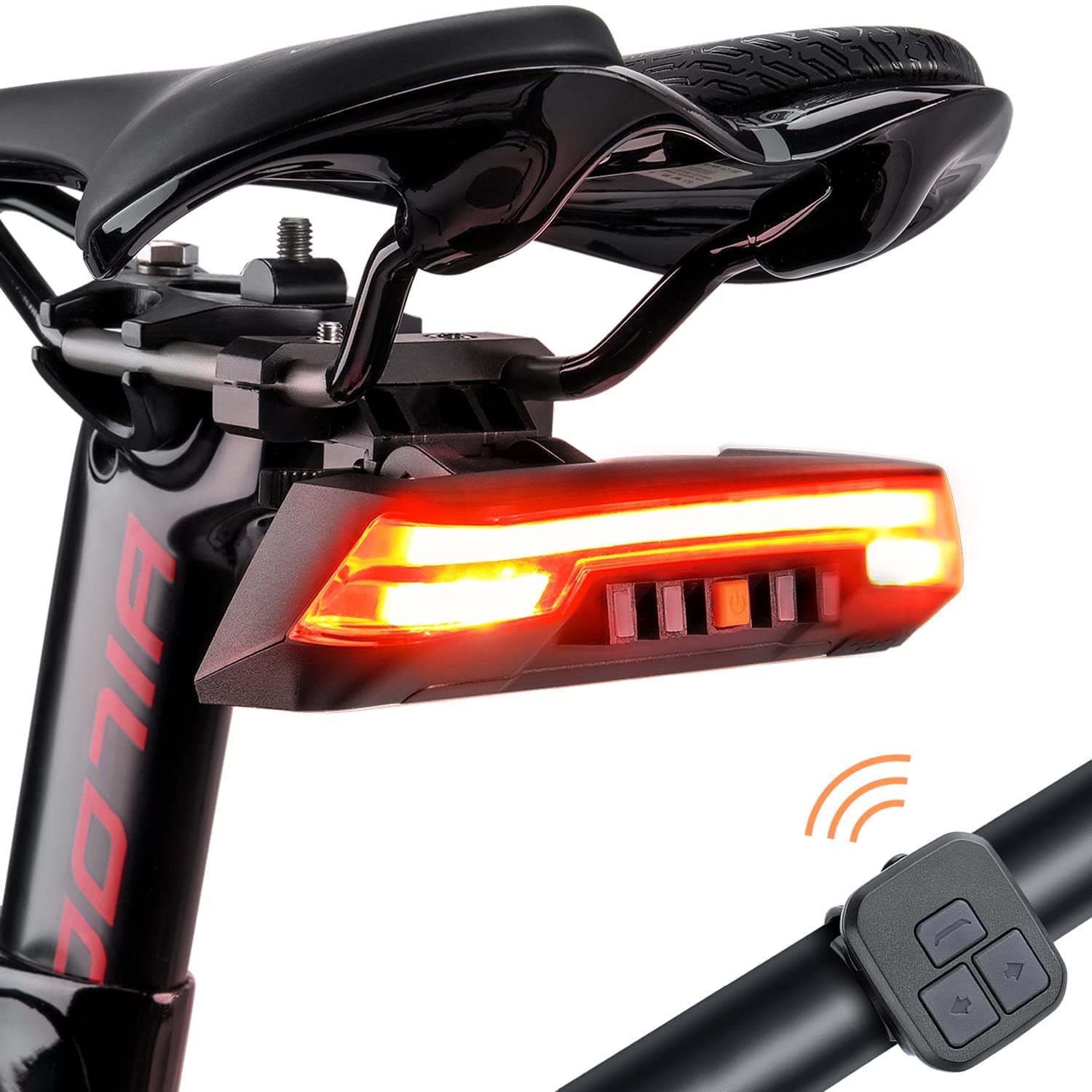
Factory Precision · Global Export
Featured Illumination & Performance Bicycle Hardware
Factory-direct cycling safety systems, precision CNC components, and multi-functional accessories tested for extreme ambient conditions and certified for North American distribution.
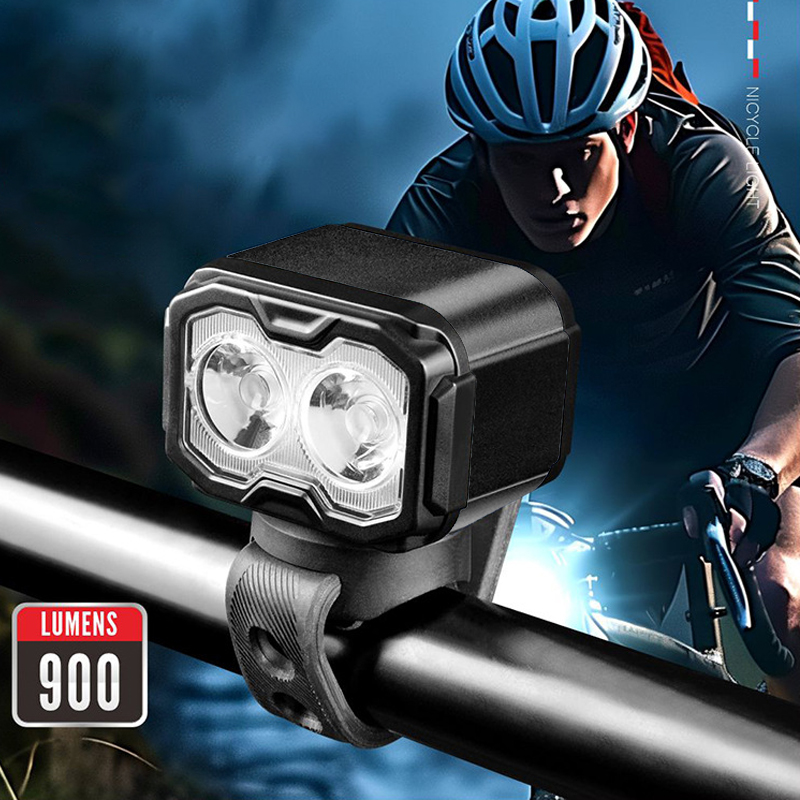
Aluminum Alloy LED Bicycle Front Light Type-C Headlight
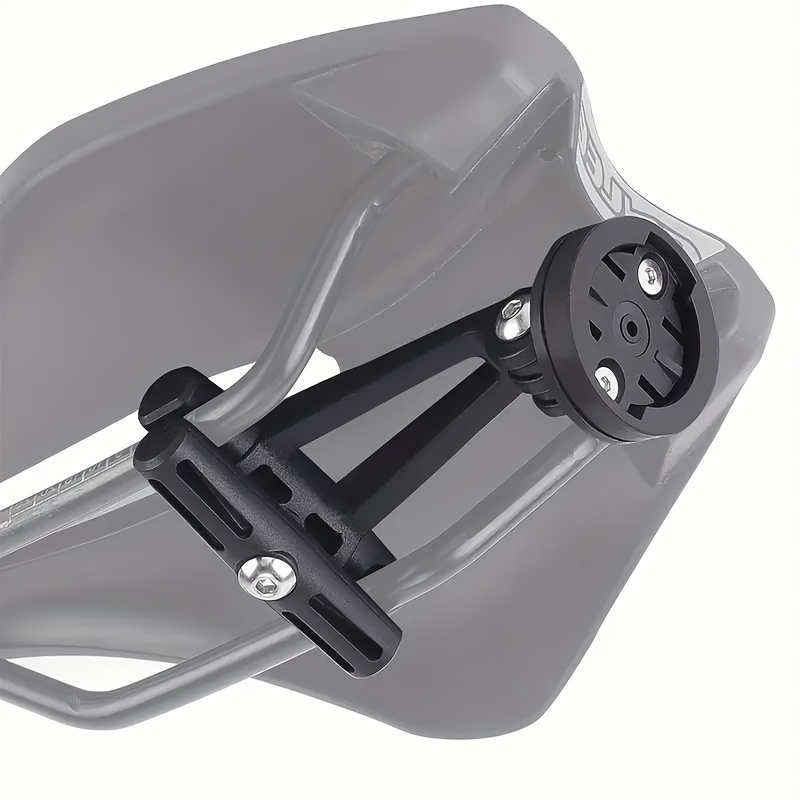
Bicycle Saddle Rail Mount Bracket 45° Direct Drive Tail Light Holder
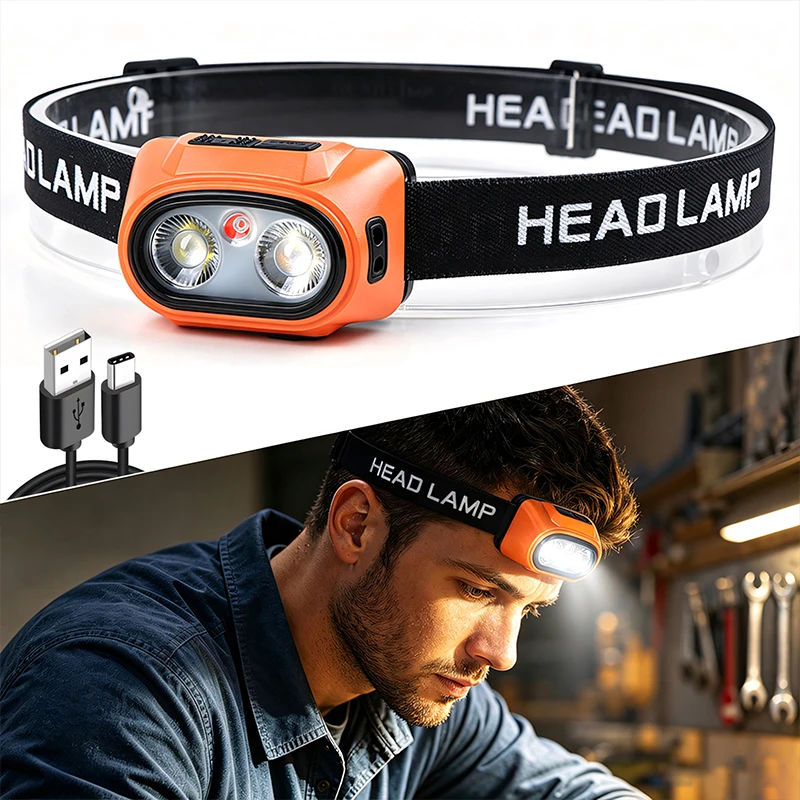
LED Induction Headlamp USB Rechargeable Cycling Sensor Flashlight
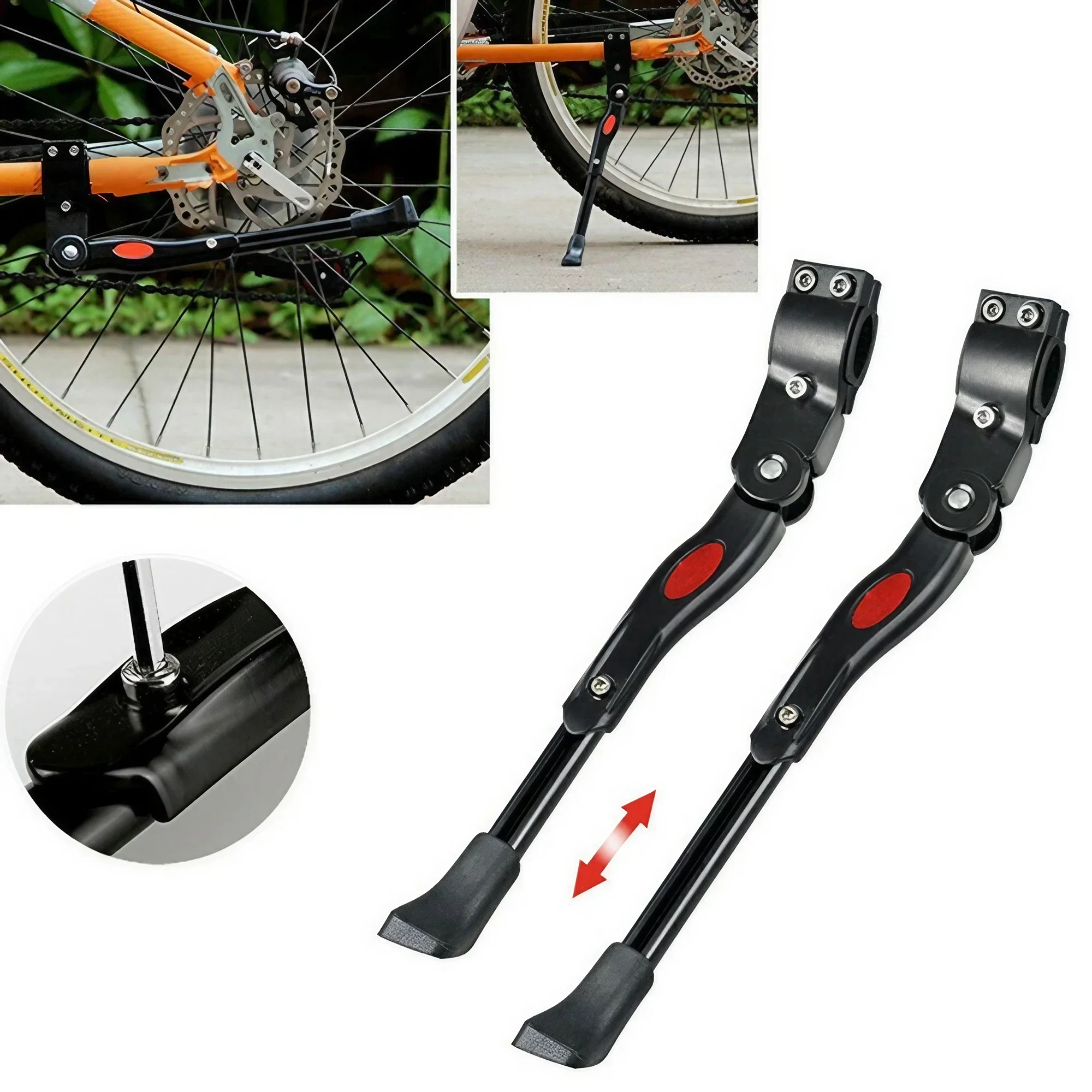
Adjustable Aluminum Alloy MTB/Road Bike Kickstand Foot Support
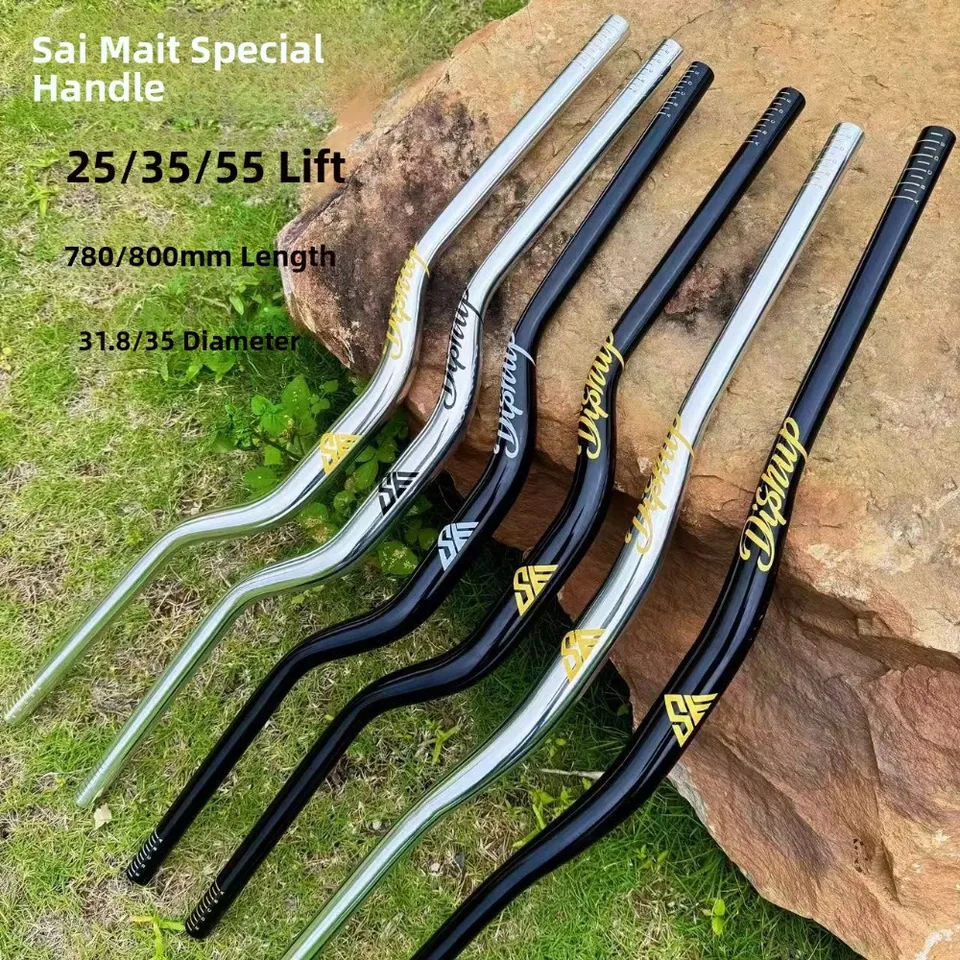
DISRUP CNC 780/800mm MTB Swallow-Shaped Riser Downhill Handlebar
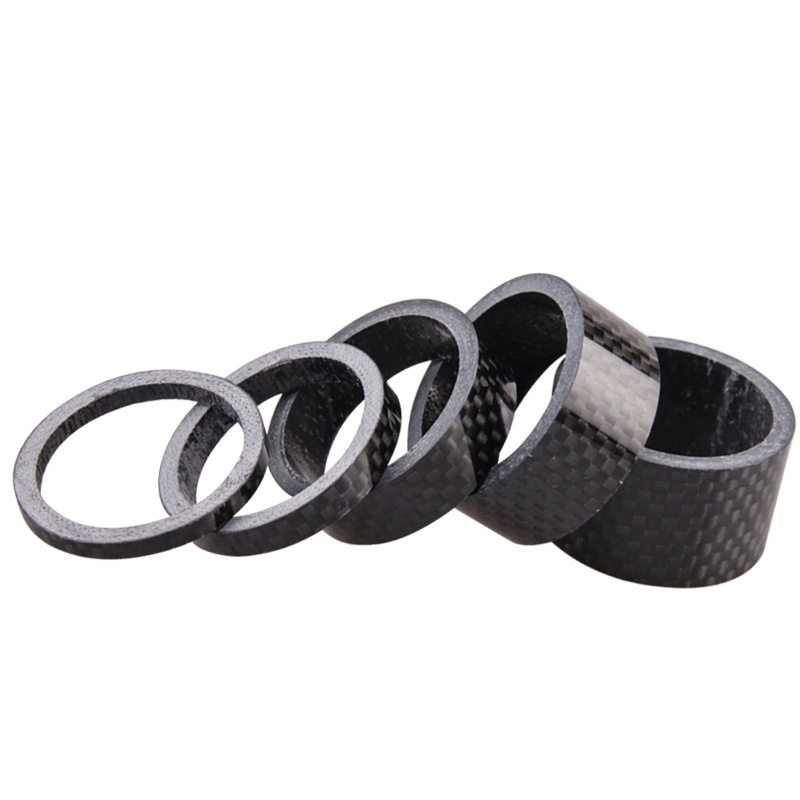
3K Carbon Fiber Headset Spacer Set 28.6mm Ultra Lightweight Ring
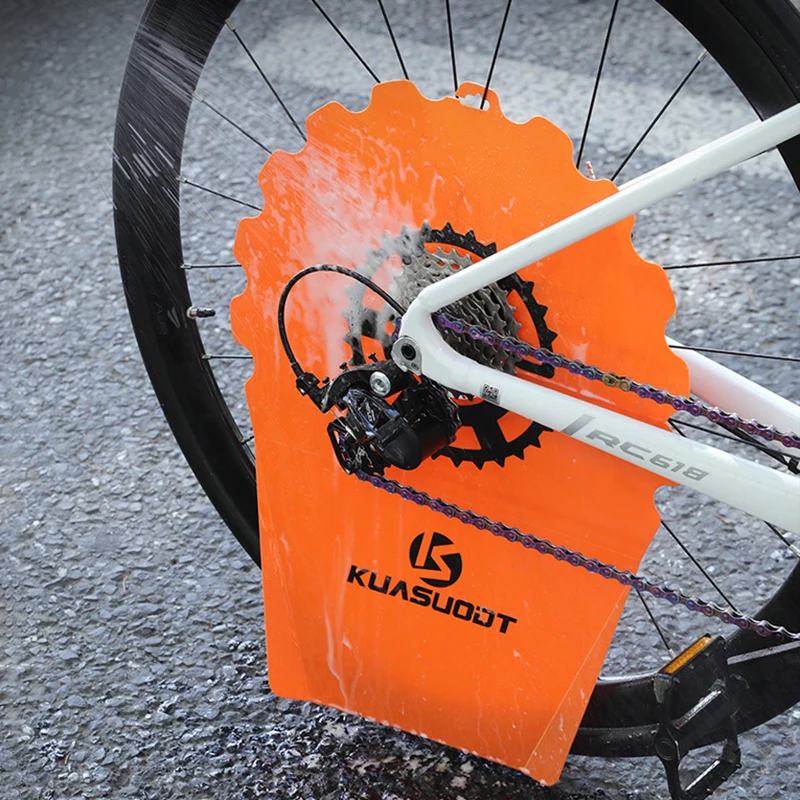
Bicycle Disc Brake Anti-Fouling Guard PVC Anti-Oil Cleaning Protector
Optical Architecture
Engineering Virtual Lane Projection for High-Speed Arterial Corridors
Standard passive reflectors and low-output flashers fail to enforce physical passing clearance. Our collimated laser diode arrays generate sharp, high-contrast bounding lines on desert asphalt, commanding vehicular compliance.
Collimated 650nm / 532nm Laser Projection
Harke employs Class II / Class IIIa eye-safe solid-state laser diodes configured with custom cylindrical lens optics. The system casts an ultra-distinct bilateral safety corridor extending 1.5 to 2.5 meters rearward and 0.9 meters laterally, establishing an unambiguous virtual bike lane in pitch-black and semi-lit desert arterial conditions.
Active 3-Axis Gyroscopic Brake Sensing
Integrating high-frequency STMicroelectronics accelerometer algorithms, the tail light continuously registers kinetic deceleration vectors. When negative velocity spikes exceed -1.2 m/s², the system automatically switches both high-lumen COB LEDs and projected laser ground lines from pulsed economy mode to maximum 120-lumen hyper-strobe in under 50 milliseconds.
Thermal Dissipation for Desert Environments
Operating electronics in Arizona summers means withstanding surface road temperatures surpassing 140°F (60°C). Our laser modules are enclosed in 6061 aviation-grade CNC aluminum housings with integrated copper heat sinks, preventing thermal wavelength drift, diode degradation, and lithium pouch swelling during prolonged high-wattage cycling.
Valley of the Sun Deployment
Localized Application Scenarios Across Greater Phoenix & Maricopa County
From nocturnal urban commutes along the Grand Canalscape to loose-over-hard trail endurance in the McDowell Sonoran Preserve, our illumination systems match the physical geography of Central Arizona.
Grand Canalscape & Canal Path Commuting
The Salt River Project canal multi-use paths offer continuous non-motorized corridors across Phoenix, Scottsdale, and Tempe. However, extensive stretches lack overhead streetlighting. Laser ground projection marks path boundaries, assisting riders in avoiding concrete edge drop-offs and gravel washouts without blinding oncoming runners.
Arterial Commuter Corridors & Vision Zero
Navigating wide high-speed multilane arterials like Camelback Road, Bell Road, and McDowell Road demands extreme visual dominance. ARS § 28-735 requires motorists to give at least three feet of clearance; our laser projection visually manifests that precise 3-foot clearance boundary on the tarmac to deter dangerous close passes.
South Mountain & McDowell Night MTB
To avoid triple-digit daytime heat, Phoenix mountain bikers frequently ride National Trail, Desert Classic, and Brown's Ranch after sunset. Combined with our 31.8/35mm CNC downhill handlebars and high-lumen headlights, the laser taillight establishes a visible beacon through hanging dust and particulate clouds.
Summer Night Haboobs & Monsoons
Arizona monsoons produce sudden dust walls followed by torrential microbursts. Our IPX5 to IPX7 waterproof silicone-gasketed housings resist fine desert silt penetration while the 650nm red laser beam penetrates low-visibility dust storms better than diffused white light spectrums.
Performance Benchmarks
Engineering Comparison: Laser Systems vs. Conventional Illumination
Comparative analysis of active laser lane generation against standard COB LEDs and radar-based rear lamps under southwestern operating conditions.
| Functional Specification | Harke Virtual Laser System | Standard High-Lumen COB Light | Automotive Millimeter Radar Light |
|---|---|---|---|
| Spatial Safe Buffer Generation | Projects dual physical-look laser lines defining 3-ft lateral buffer | Point source only; no explicit lane or boundary delineation | Alerts rider on head unit; does not project boundaries to drivers |
| Atmospheric Dust Penetration | High (Coherent 650nm wavelength pierces particulate dust) | Medium (High light scatter causing halo glare in dust storms) | High (Radar signal unaffected; accompanying optical flasher scatters) |
| Extreme Heat Resistance (>115°F) | Aviation 6061 CNC alloy enclosure with direct thermal coupling | Plastic ABS housing prone to heat retention and battery degradation | Complex micro-circuitry vulnerable to high ambient thermal throttling |
| Power Consumption / Runtime | Low current draw per lumen-foot via efficient diode pulsing (>12 hrs) | High drain at sustained high lumen outputs (3 - 6 hrs maximum) | High dual-system draw from active radar and transceiver (>6 hrs) |
| Regulatory Compliance (US) | FDA 21 CFR 1040.10 Class II / IIIa & Arizona ARS § 28-817 compliant | General Consumer Product Safety Commission (CPSC) flasher rules | FCC Part 15 radar radiation approvals & optical compliance |
Market Intelligence
Regional Cycling Trends Reshaping Phoenix Sourcing Requirements
Wholesale buyers, independent bicycle dealers (IBDs), and fleet operators across Phoenix, Mesa, Chandler, and Scottsdale face specific supply chain evolutions.
The Post-Sunset Riding Shift
Phoenix experiences over 100 days annually with temperatures exceeding 100°F (38°C). Consequently, recreational cyclists, triathlon clubs, and commuters migrate en masse to early-morning (4:00 AM - 6:30 AM) and late-night (8:00 PM - midnight) rides. The demand for active, high-visibility illumination systems in the Maricopa region remains strong year-round rather than dropping during typical winter off-seasons.
High-Speed Class 3 & Cargo E-Bike Proliferation
With Phoenix's sprawling footprint, commuters increasingly rely on Class 3 (28 mph) e-bikes to bridge 15-to-25-mile suburban spans across Scottsdale, Tempe, and Phoenix. Higher operational speeds compress motor vehicle closing times. Traditional 15-lumen flashers are insufficient; bike shops report escalating consumer demand for multi-functional units combining laser lane guidance, 120-lumen brake sensing, and integrated horn modules.
Municipal Vision Zero & Infrastructure Funding
The City of Phoenix Comprehensive Bicycle Master Plan and Street Transportation Department initiatives are deploying millions of dollars into protected bike lanes and arterial retrofits. Retailers sourcing cycling accessories prioritize products that align with municipal safety messaging, marketing virtual laser lanes as an active personal safety countermeasure on uncompleted arterial segments.
Verified OEM/ODM Manufacturer
Harke (Shenzhen) Technology Co., Ltd.
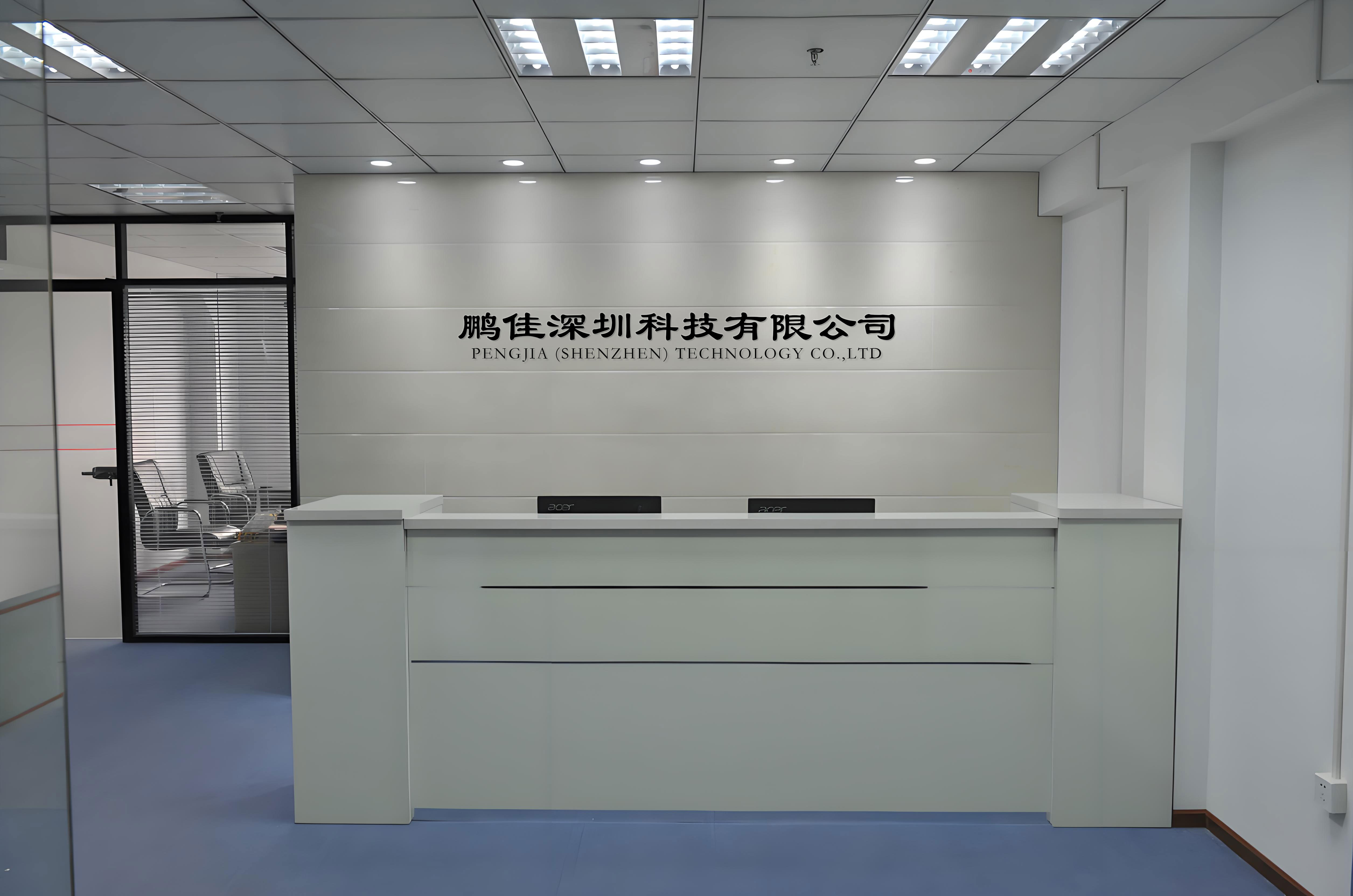
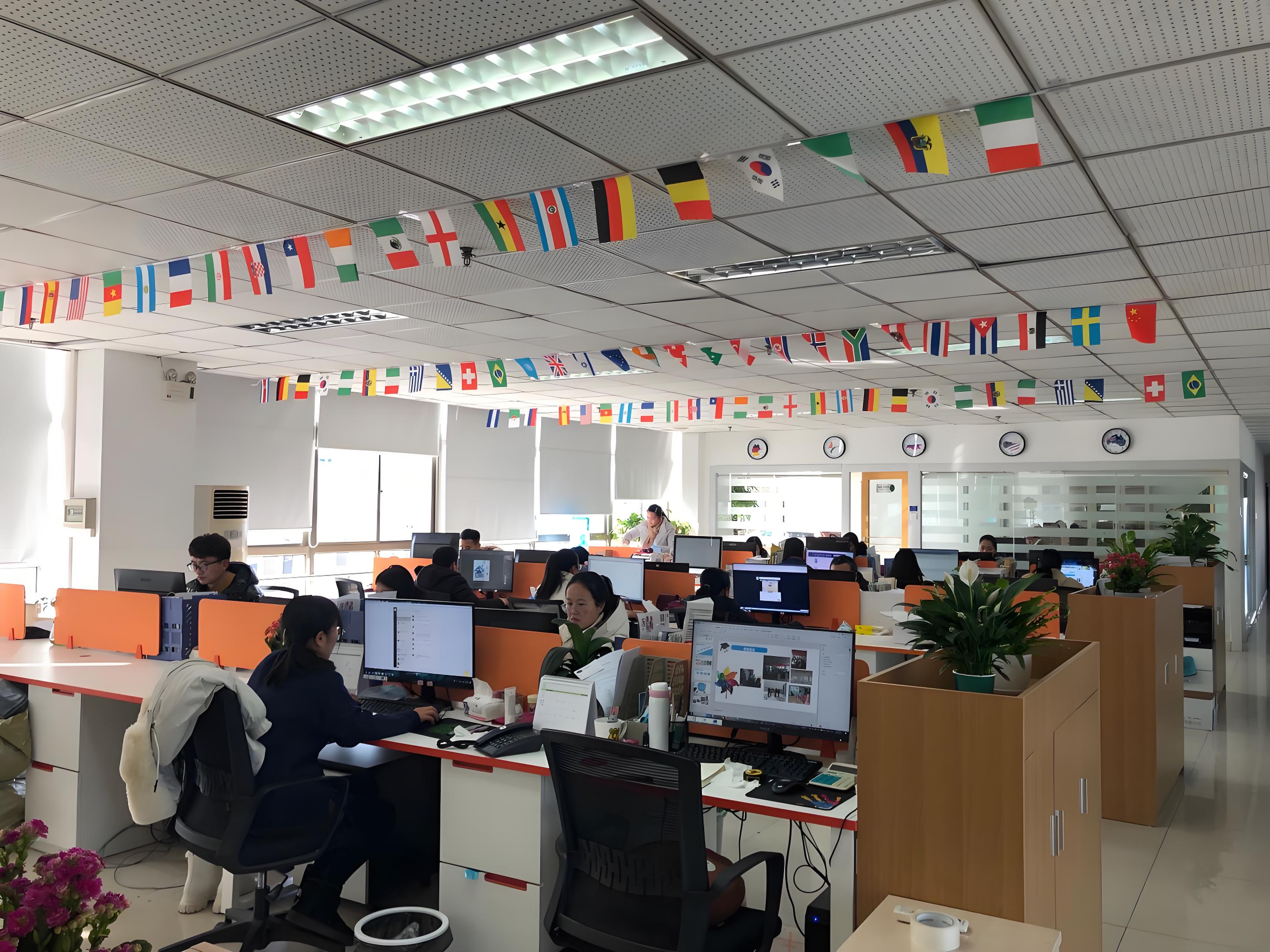
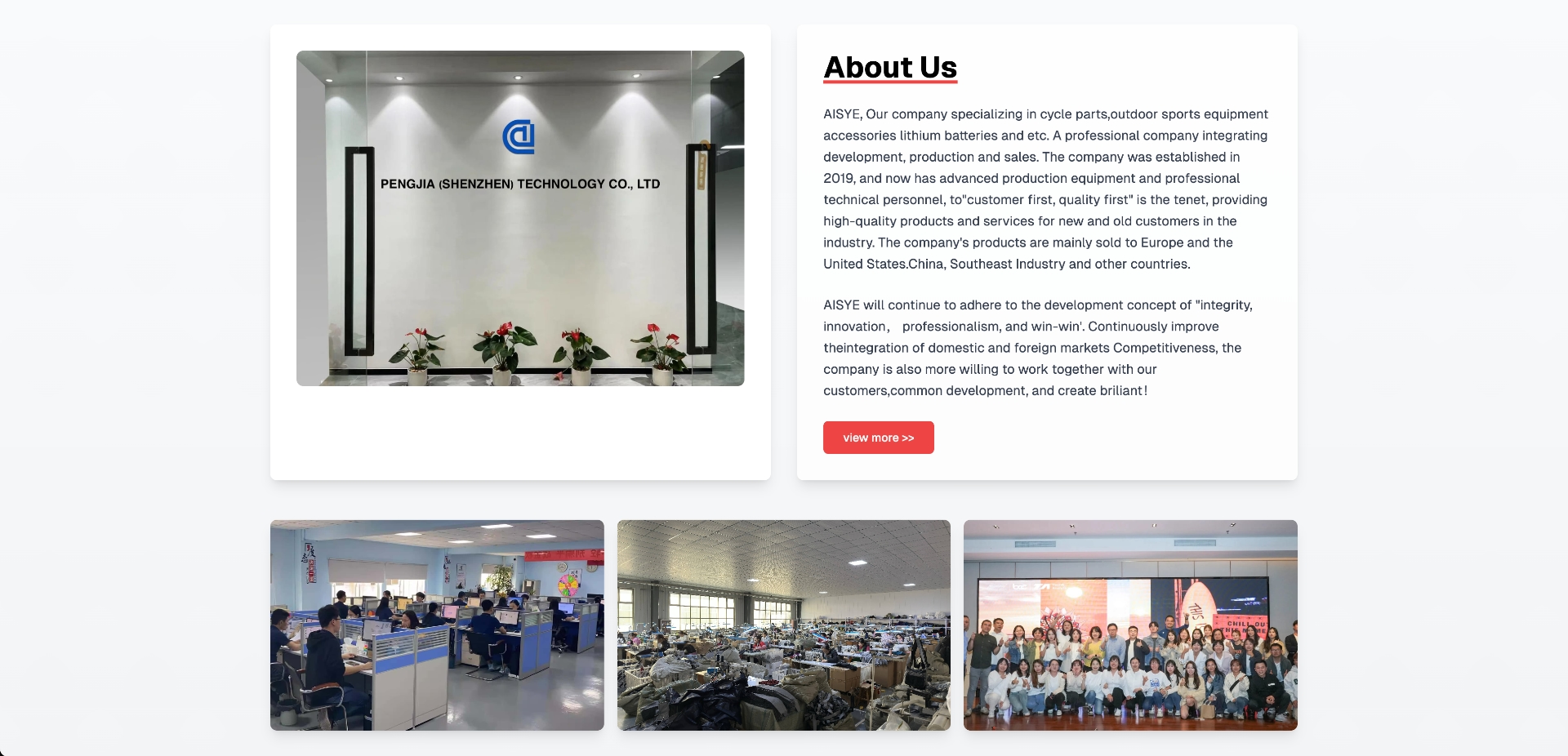
Founded in 2019 in Shenzhen—the global ground zero for lithium-ion battery integration and precision optoelectronics—Harke is an onsite-verified manufacturer, trader, and exporter serving bicycle accessory brands, importers, and regional distributors across North America.
Our comprehensive facilities span 1,000 to 3,000 m² of modern production floor equipped with SMT surface-mount automated component placers, CNC multi-axis milling cells, ultrasonic welding lines, and rigorous optical/environmental test chambers. Operating under strict ISO-grade management, our multilingual engineering team maintains an average inquiry response time of under 4 hours with a 97.41% documented customer service rating.
- Onsite Check Verified Factory
- FDA & CE-Certified Laser Diode Sourcing
- Flexible Low-MOQ Starting from 1 Set
- End-to-End DDP Sea & Air Logistics
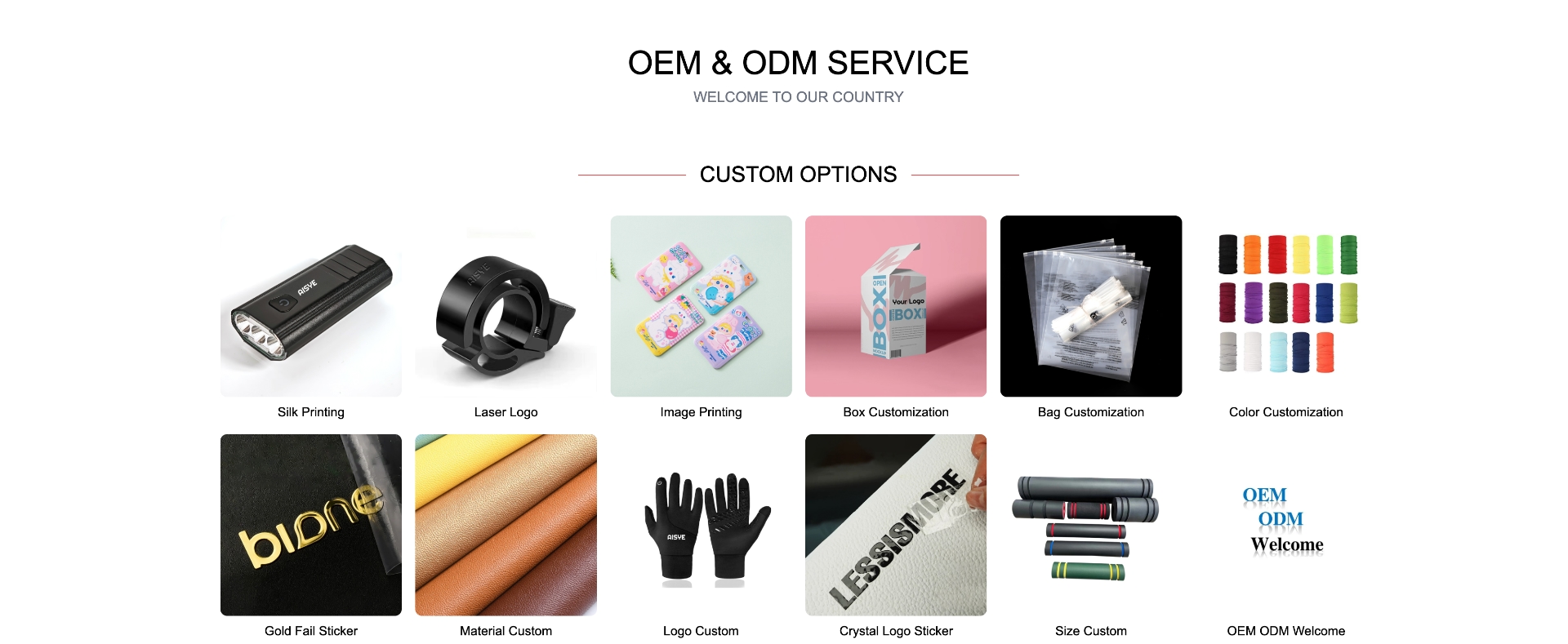
- Custom CNC Anodizing & Branding
- Strict In-Line Battery Pouch Inspection
B2B Buyer Knowledgebase
Frequently Asked Questions by Phoenix Importers & Wholesalers
Essential technical, compliance, logistical, and commercial inquiries answered for bike shops, brand managers, and aftermarket buyers in the Southwest.
Are your laser bike lights legal under Arizona state statutes and US federal regulations?
Yes. Under federal law, consumer laser systems must comply with 21 CFR 1040.10 and 1040.11 via the FDA Center for Devices and Radiological Health (CDRH). We manufacture with Class II / Class IIIa eye-safe diodes with outputs under 5mW. At the local level, Arizona Revised Statutes (ARS § 28-817) dictates that every bicycle operated at night must display a red rear light visible from at least 500 feet. Our lights combine the 500-ft red beam with supplemental downward-projected laser lines that do not emit horizontal glare toward drivers' direct sightlines.
How do you guarantee lithium battery safety in extreme Phoenix summer heat (115°F - 120°F)?
Standard lithium-polymer cells degrade rapidly and can swell dangerously when cycled at temperatures exceeding 45°C. For units destined for the Arizona and desert southwest market, we utilize high-temperature lithium-cobalt or lithium-iron-phosphate (LiFePO4) chemistry protected by a hardware Battery Management System (BMS). The BMS integrates an NTC thermistor cut-off that terminates rapid charging if internal cell temperatures exceed 55°C, coupled with aluminum chassis dissipation preventing thermal runaway during long desert gravel rides.
What shipping terms, transit durations, and customs clearance procedures apply to Phoenix, AZ?
We support FOB Shenzhen, EXW, and comprehensive DDP (Delivered Duty Paid) terms directly to your warehouse in Phoenix, Mesa, Glendale, or Chandler. For ocean freight, containers discharge at the Port of Los Angeles/Long Beach and transit via bonded intermodal rail straight to Phoenix intermodal yards (typical total transit: 18–25 days). For expedited seasonal inventory replenishments, air freight via Phoenix Sky Harbor International Airport (PHX) delivers in 5–8 business days, fully customs-cleared with all US import duties and battery UN38.3 declaration filings handled on our end.
What is the MOQ for custom OEM branding, laser-engraved logos, and retail packaging?
Standard off-the-shelf inventory starts as low as 1 to 10 sets depending on the specific SKU. For private-label programs—including laser-etched brand logos on the CNC aluminum housing, customized packaging boxes with UPC barcodes and English instruction inserts—our baseline MOQ is typically 200–500 pieces per SKU. We also offer turnkey sample evaluation kits with expedited air dispatch within 48 to 72 hours for your engineering sign-off.
Can we consolidate laser lights with other bicycle accessories on a single purchase order?
Yes. One of Harke's primary advantages is category consolidation. You can consolidate laser taillights, CNC headlights, aluminum kickstands, 780mm downhill handlebars, carbon headset spacers, floor parking racks, and electric tire pumps within a single purchase order and single mixed container. This substantially reduces individual LCL port destination handling fees in the US and simplifies SKU auditing across your inventory management software.
Direct Factory Partnership
Accelerate Your Bicycle Illumination Line in Phoenix
Whether you are expanding an established cycling retail chain in the Valley or launching an innovative private-label e-bike accessory brand across the United States, Harke delivers precision engineering, reliable DDP freight logistics, and verified factory pricing.
Inquire Now