High-Performance Drivetrain, Safety & Cockpit Assemblies
Engineered for high duty cycles, marine moisture exposure, and rigorous terrain conditions across the Windward Islands.
Engineering Clamping Precision: Sourcing Quick Release Skewers for Castries & the Windward Islands
In high-humidity, marine-adjacent geographic corridors such as Castries, Saint Lucia, the operational demands placed on bicycle wheel retention systems far exceed baseline consumer cycling expectations. For fleet operators managing guided eco-tours, resort hospitality rentals in Rodney Bay, urban couriers traversing the steep grades of Morne Fortune, and independent bicycle workshops scattered across the Castries Basin, axle clamping integrity is an uncompromising safety and operational longevity parameter. Sourcing quick release (QR) skewers and thru-axle conversion assemblies requires an exhaustive metallurgical and engineering assessment. This whitepaper details precision manufacturing standards, corrosion mitigation mechanics, localized stress vectors, and international freight procurement protocols for B2B buyers serving Saint Lucia and the greater Organisation of Eastern Caribbean States (OECS) marketplace.
Key Insight for Castries Importers: Traditional low-carbon steel internal-cam skewers fail precipitously under coastal Caribbean salt spray exposure (ASTM B117 standards). Specifying CNC-machined 7075-T6 aluminum levers combined with Grade 5 Titanium or heat-treated Chromium-Molybdenum (SCM435) shafts and stainless steel springs prevents micro-galvanic seizing and dropout slippage on extreme volcanic gradients.
1. Kinematics of Quick Release Mechanisms: Internal Cam vs. External Cam Engineering
A quick release skewer functions through an eccentric cam mechanism converting rotational manual lever force into axial clamping tension across the fork dropouts or frame rear triangle. In tropical maritime climates like Castries, the structural architecture of this cam mechanism dictates whether a skewer provides lasting tensile retention or degenerates into catastrophic clamping failure:
- Internal Cam Mechanisms (Enclosed Brass/Delrin Bushing): Engineered originally by Tullio Campagnolo, internal cam designs locate the eccentric lobe fully inside an enclosed metal housing. The cam rotates against a machined brass or self-lubricating synthetic base plate. This enclosed configuration shields the lubricated cam surface from airborne volcanic particulate matter, silica dust from coastal trade winds, and salt mist blowing inland from Port Castries. Internal cam skewers achieve up to 35% higher clamping force per unit of hand effort and exhibit virtually zero cam galling over multiple years of operation.
- External Cam Mechanisms (Exposed Curved Washer): Common in lightweight modern aftermarket wheels, external cams seat directly against an exposed concave acetal or plastic washer. While lighter and visually customizable, exposed external cams are deeply vulnerable in the Caribbean climate. Ambient ultraviolet radiation accelerates nylon degradation, while airborne salt crystals induce micro-abrasive wear along the nylon-metal interface. Under high continuous vibration—such as descending from Pigeon Island or traversing uneven asphalt—external cams can lose pre-load tension, causing brake disc rubbing or wheel misalignment.
- Thru-Bolt & RWS (Ratchet Wheel System) Hybrids: For heavier disc-equipped touring bikes and electric commuter models becoming prevalent along Castries thoroughfares, ratcheting skewer systems deliver up to 50% more clamping tension than standard eccentric levers. By allowing progressive tooth engagement without cam slip, ratcheting skewers maintain strict parallel disc rotor alignment inside narrow brake calipers.
2. Material Science & Anti-Corrosion Metallurgy for Marine Environments
Castries sits directly on the Caribbean Sea, experiencing continuous relative humidity levels often hovering between 75% and 88%, coupled with high ambient temperatures and windborne salt deposits. These factors create an aggressive electrolytic environment that rapidly degrades sub-par metallurgical alloys. When evaluating skewer production lines from Shenzhen factories, commercial buyers must inspect three primary structural elements:
- The Central Tension Rod (Axle Shaft): The central shaft must withstand tens of thousands of cycles of dynamic tensile stress. Grade 5 Titanium (Ti-6Al-4V) provides the premier balance of tensile strength (≥895 MPa) and near-absolute immunity to chloride ion pitting corrosion, making it the gold standard for high-end hotel rental fleets and competitive road applications. For heavy-duty utility and electric cargo transportation in downtown Castries, Chromium-Molybdenum alloy steel (AISI 4130 / SCM435) with zinc-nickel or black electro-deposited coating offers maximum sheer yield strength without risk of brittle fracturing under sudden pothole impact.
- Levers and End Nuts: Precision 5-axis CNC-machined 7075-T6 aluminum provides superior surface hardness over cast aluminum alloys. Anodization thickness must be strictly specified at Type II (minimum 15 to 20 microns) or Type III Hardcoat (30 to 50 microns). Sub-standard 5-micron cosmetic anodizing quickly degrades under intense Caribbean UV radiation, leading to chalking, color fading, and subsequent bare-metal oxidation.
- Springs and Small Fasteners: Springs must be fabricated from 304 or 316-grade marine stainless steel. Conventional music-wire carbon steel springs will rust within weeks of unboxing in Castries, contaminating hub bearings with iron oxide slurry and impeding rapid wheel changes.
| Component / Material | Tensile / Yield Strength | Chloride Salt-Fog Resistance (ASTM B117) | Thermal & UV Stability | Castries Fleet Suitability |
|---|---|---|---|---|
| Ti-6Al-4V (Grade 5 Titanium) | 950 MPa / 880 MPa | Immune (>1000 hrs zero pitting) | Unaffected by ambient extremes | High-end MTB, E-Tourism Fleets, Coastal Resorts |
| SCM435 Cr-Mo Steel (Zn-Ni Coated) | 1080 MPa / 930 MPa | Excellent (720 hrs red rust free) | High thermal resilience | Commercial E-Cargo, Heavy Utility Commuters |
| AL7075-T6 (25μm Anodized) | 572 MPa / 503 MPa | Very Good (480 hrs neutral spray) | Stable under tropical UV | Levers, End Caps, Locking Cam Collars |
| Standard Carbon Steel (Cr-Plated) | 400 MPa / 250 MPa | Poor (Rust occurs <48 hrs) | Coating micro-cracks under torque | Not recommended for Caribbean deployment |
3. Localized Application Scenarios Across Saint Lucia
The geography of Castries and the broader island of Saint Lucia creates distinctive technical operational environments where quick release skewers play an indispensable role in maintaining vehicle safety, ease of maintenance, and rapid deployment.
Cruise Tourism & Port Castries Excursion Fleets
Cruise terminals at Pointe Seraphine and La Place Carenage bring thousands of active visitors demanding mountain bike excursions. Fleet logistics necessitate rapid vehicle consolidation into transport vans and support trailers. Reliable internal-cam quick release skewers enable mechanics to strip front wheels within seconds without hand tools, optimizing turnaround schedules while preventing axle binding from pervasive sea-breeze moisture.
Steep Volcanic Topography: Morne Fortune & Barre de l'Isle
Riders negotiating the brutal 15-22% switchbacks of Morne Fortune or traversing the central spine towards Dennery generate massive torsional lateral loads across their hubs. Under hard mechanical disc brake application, standard skewers can permit axle walk within dropouts. Specifying knurled stainless steel bite washers on skewer end nuts ensures positive mechanical retention against frame dropouts under violent torque spikes.
Rainforest Trails & Adventure Cycling (Edmund Forest & Pitons)
Mountain biking trail systems surrounding Mount Gimie and the Pitons present clay-rich volcanic mud, high moisture condensation, and frequent river crossings. Sealed pivot cam designs prevent gritty slurry infiltration from binding the quick-release throw, ensuring that trailside puncture repairs remain straightforward for guides and tourist groups alike.
Urban Utility & Micro-Freight Delivery in Central Castries
Local couriers, grocery delivery aggregators, and small businesses navigating Chaussee Road and Jeremie Street operate heavily loaded cargo bicycles. These utility bikes run heavy hubs that require 9mm front and 10mm rear solid-axle conversion skewers. High-clamp quick releases provide the heavy-duty load clamping needed to avert dropout widening or frame fatigue failure under 150kg gross vehicle weight.
Rodney Bay & Cap Estate Luxury Resort Rental Stations
Hospitality properties running guest bicycle fleets prioritize silent, maintenance-free, and aesthetically pristine equipment. Salt-air degradation that produces unsightly surface rust on skewer heads directly undermines guest brand perception. Full CNC-anodized skewer suites in customized corporate pantones deliver high aesthetic elegance while completely eliminating red-oxide stains on showroom and rental bike lines.
4. E-Commerce, Sourcing Trends, & Supply Chain Dynamics in Saint Lucia
The import market for cycling hardware in Saint Lucia is currently undergoing three structural shifts that smart B2B purchasers must accommodate:
- The Transition from Standard 5mm Skewers to Thru-Axle Hybrid Standards: As mid-drive and hub-motor electric bicycles increasingly populate the island to tackle steep volcanic grades, the traditional 5mm QR skewer is often supplemented or replaced by 12mm and 15mm thru-axles. However, because legacy fleets across Castries represent thousands of traditional open-dropout frames, there is strong demand for "RWS-style" heavy-tension skewers and thru-bolt adapters (9mm front / 10mm rear) that insert into conventional 100mm/135mm dropouts while delivering thru-axle rigidity.
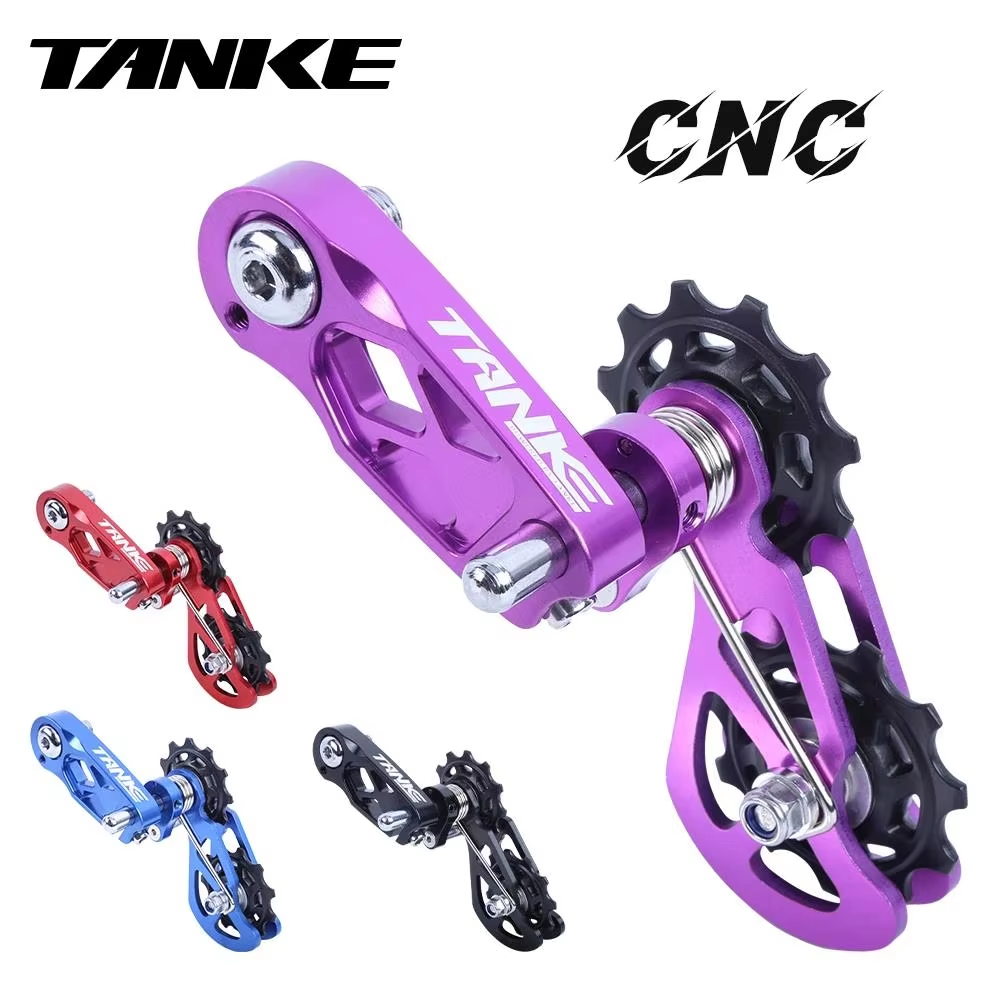
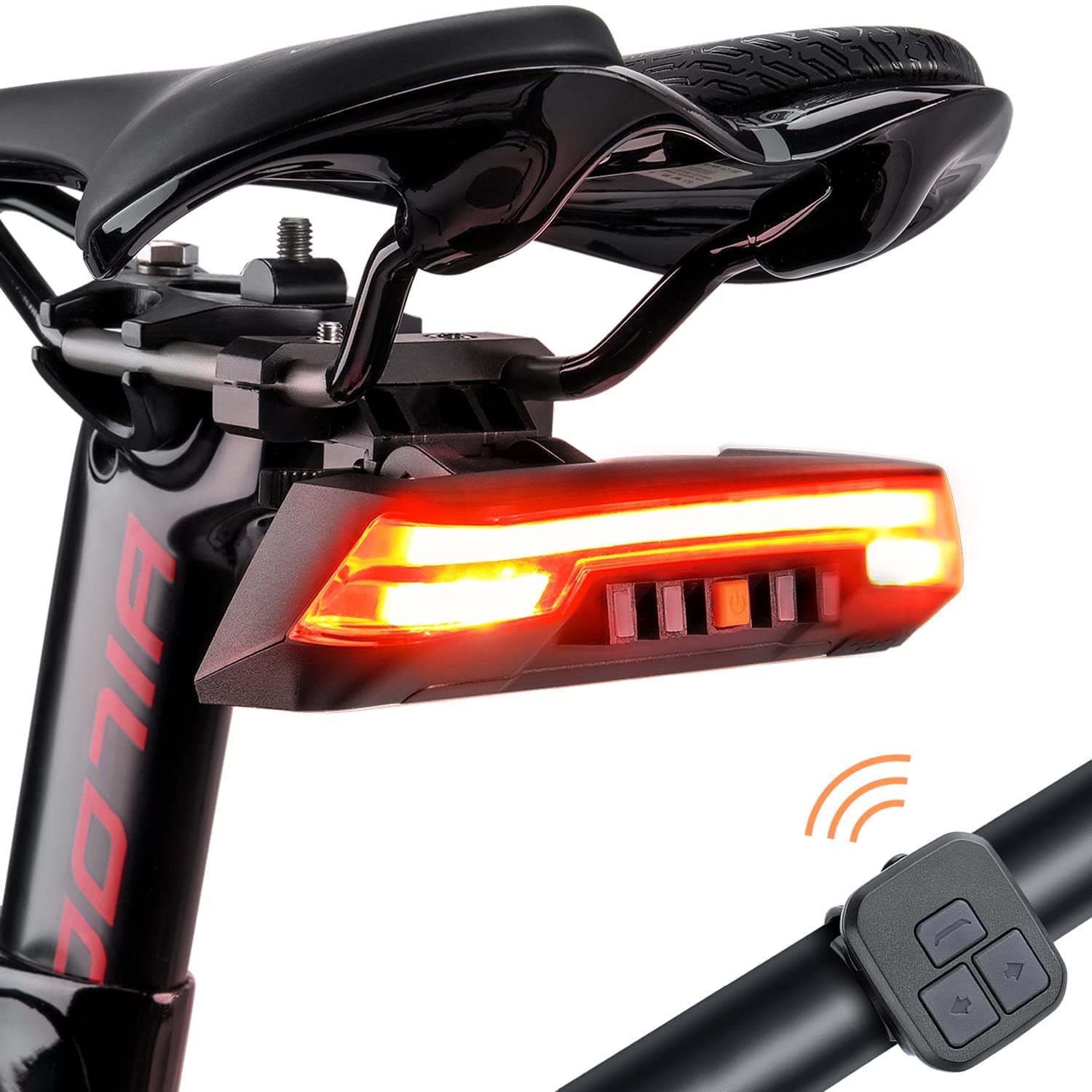
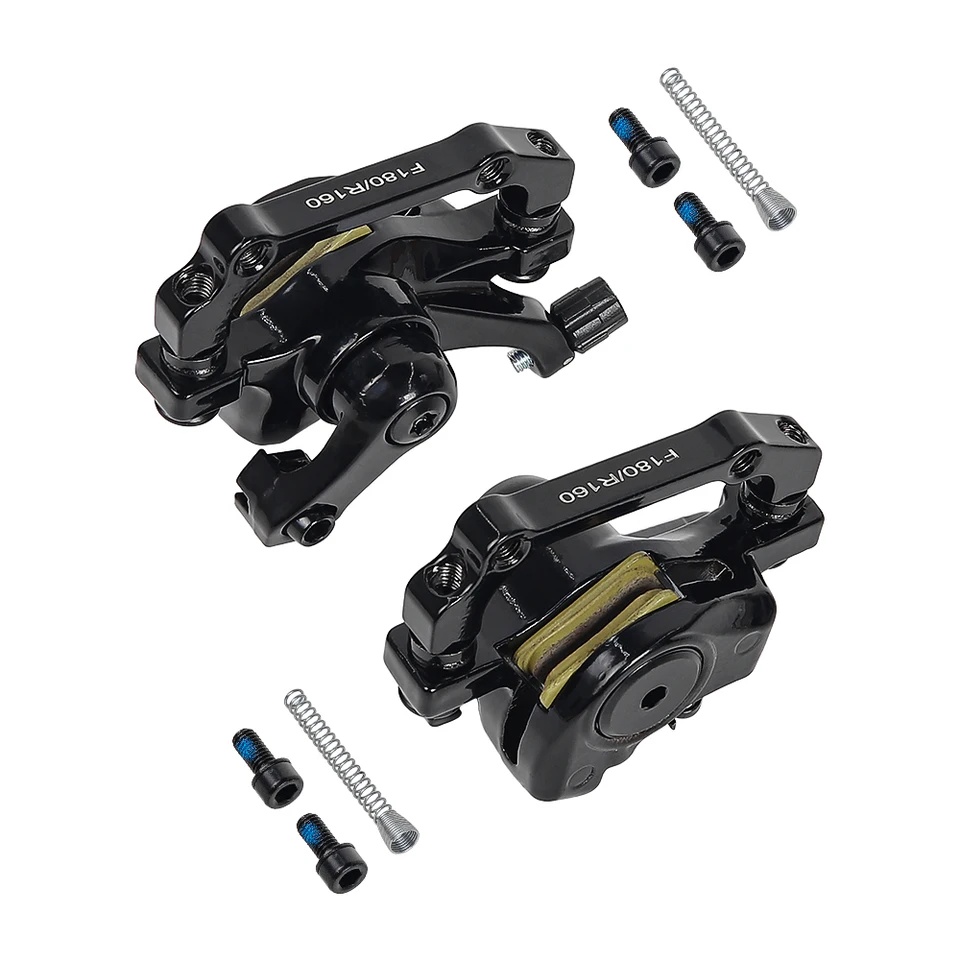
- Consolidated Container Shipping & OECS Freight Routing: Sourcing low-cube, high-density parts like quick release skewers, disc brake calipers, chain guides, and bike lights requires freight optimization. Importers in Castries benefit substantially from combining drivetrain spares with high-volume items (pumps, repair stands, and bells) under one factory invoice. Consolidating shipments at our Shenzhen warehouse for ocean forwarding through Kingstown or direct transshipment via Port Castries drastically reduces landing freight charges per unit compared to fragmented air courier parcels.
- Custom Labeling and Anti-Theft Skewer Architectures: Rental fleet operators across Saint Lucia face continuous losses from component theft when bicycles are parked outside retail establishments or beach corridors. The procurement trend has shifted decisively toward "anti-theft" pentagonal or custom-keyed skewer systems that replace the standard quick-release cam lever with a coded key interface, securing expensive wheelsets while retaining swift maintenance capability for certified fleet mechanics.
5. Manufacturing Process & Quality Control Protocols at Harke Shenzhen
Harke (Shenzhen) Technology Co., Ltd. operates an onsite-verified production, development, and export facility located in Xinqiao Subdistrict, Shenzhen. With over a decade of deep cycling component manufacturing experience, our production line executes comprehensive engineering validation protocols across all skewer and axle SKUs:
- CNC Machining Tolerances: Every quick-release lever, locknut, and washer is precision-machined from solid AL7075-T6 extruded billets on high-speed CNC turning centers. Dimension tolerances are held strictly within ±0.015mm, eliminating axial cam wobble and ensuring uniform pressure distribution across hub locknuts.
- Thread Rolling vs. Thread Cutting: Axle shaft threads are cold-rolled rather than lathe-cut. Thread rolling maintains continuous metallic grain flow lines along the root and crest of the M5/M9/M10 threads, increasing fatigue endurance limits by more than 30% and eliminating stress risers that cause sudden thread stripping under high clamping torque.
- Tensile Proof-Load Testing: Random batch samples are placed on hydraulic tensile test benches. Every skewer line rated for commercial use must withstand axial tensile loads exceeding 6,500 N without permanent elongation, thread yield, or lever joint deformities.
- Electrochemical Anodizing Quality: Our in-house anodization and sealing processes undergo continuous pH and temperature monitoring. Sealed anodized coatings are tested for dye bleed and micro-porosity to ensure vibrant colorfastness under continuous UV exposure in Caribbean tropical latitudes.
Verified Manufacturing Facility
Onsite-checked facilities spanning 1,000 to 3,000 m² in Shenzhen, the heart of global precision electronics and cycling engineering. Transparent documentation and factory audits welcome.
≤ 4-Hour Response Guarantee
Maintained a 97.41% inquiry response rate with comprehensive engineering feedback, quotation sheets, and compliance verification provided within 4 business hours.
Full OEM/ODM Private Labeling
Laser engraving, custom CNC profiling, bespoke Pantone anodizing, barcoding, and retail-ready packaging designed specifically for Caribbean distributors and brand owners.
Multi-Tier Incoterms Delivery
Seamless execution of FOB, EXW, CIF, DDP, and DDU terms with established Caribbean marine shipping corridors into Port Castries, handling customs declarations and freight documentation.
Low MOQ & Consolidation
Order trial batches starting from 1 to 10 sets on core hardware lines. Consolidate skewers, hubs, stems, lights, and pumps into single mixed-carton sea containers to minimize port handling overheads.
Stringent End-to-End QC
Every batch undergoes incoming raw material spectrometry, in-process dimensional tolerance checks, and finished product torque & salt-spray verification before export dispatch.
Frequently Asked Questions by Castries Importers & Fleet Operators
Practical guidance addressing logistics, technical compatibility, pricing currencies, and batch customization for Saint Lucia.
Q1: What axle length standards are required for bicycles operating in Saint Lucia?
Standard road bikes in the region utilize 100mm front and 130mm rear axle dropouts (skewer shaft lengths approx. 135mm front, 168-175mm rear). Modern disc mountain bikes, gravel bikes, and hybrid e-bikes widely deployed around Castries use 100mm front and 135mm rear (skewer lengths approx. 145mm front, 180-185mm rear). We also supply Boost 110/148mm and 12mm/15mm thru-axle conversion assemblies with standardized 1.0, 1.5, or 1.75 thread pitch profiles.
Q2: How do your quick release skewers resist the high coastal salinity of Port Castries?
Unlike budget zinc-plated skewers that oxidize quickly, our coastal-specification skewers feature Grade 5 Titanium or zinc-nickel electro-plated Cr-Mo shafts paired with AL7075-T6 CNC levers finished with minimum 20-micron Type II hard anodization. Internal springs are fabricated from 304/316 marine stainless steel, offering verified protection against red rust past 500 hours of continuous ASTM B117 salt fog testing.
Q3: Can small bicycle rental outfits or tour guides in Saint Lucia place low-volume orders?
Yes. Our factory structure allows trial and replacement fleet orders starting from as low as 1 to 5 sets for standard in-stock catalog products. For customized laser-etched branding with your tour company or shop logo, MOQs typically begin at 50 to 100 pairs, allowing local businesses in Castries to build proprietary private-label identities without prohibitive capital expenditure.
Q4: What is the typical transit duration and freight route from Shenzhen to Port Castries?
Air courier shipments (via DHL, FedEx, UPS) for urgent replacement parts or sample verification reach Saint Lucia within 5 to 8 business days via Caribbean regional hubs. Ocean container shipments (FCL/LCL) route from Shenzhen/Guangzhou through major Caribbean transshipment hubs into Port Castries, typically taking 30 to 42 calendar days. We provide comprehensive export documentation (Bill of Lading, Commercial Invoice, Packing List) for seamless clearance through Saint Lucia Customs & Excise.
Q5: Do quick release skewers provide sufficient clamping force for steep downhill runs in Soufrière?
Yes, provided our internal-cam or ratcheting tooth skewers are selected. Our internal cam designs achieve an axial tensile clamping force exceeding 5,000 N at 200 N of hand lever effort. The serrated stainless steel locknut bite ring mechanically grips the fork dropout face, preventing wheel shifting even under high thermal transfer from sustained disc brake friction during descent.
Q6: Which currencies and payment terms are accepted for Caribbean accounts?
We accept wire transfers via T/T and Western Union across major international currencies including USD, EUR, GBP, CAD, AUD, and HKD. Standard commercial trade arrangements operate on a 30% production deposit with the remaining 70% balance payable upon presentation of the pre-shipment quality inspection report and Bill of Lading.
Q7: Can we consolidate skewers with other replacement parts in a single container?
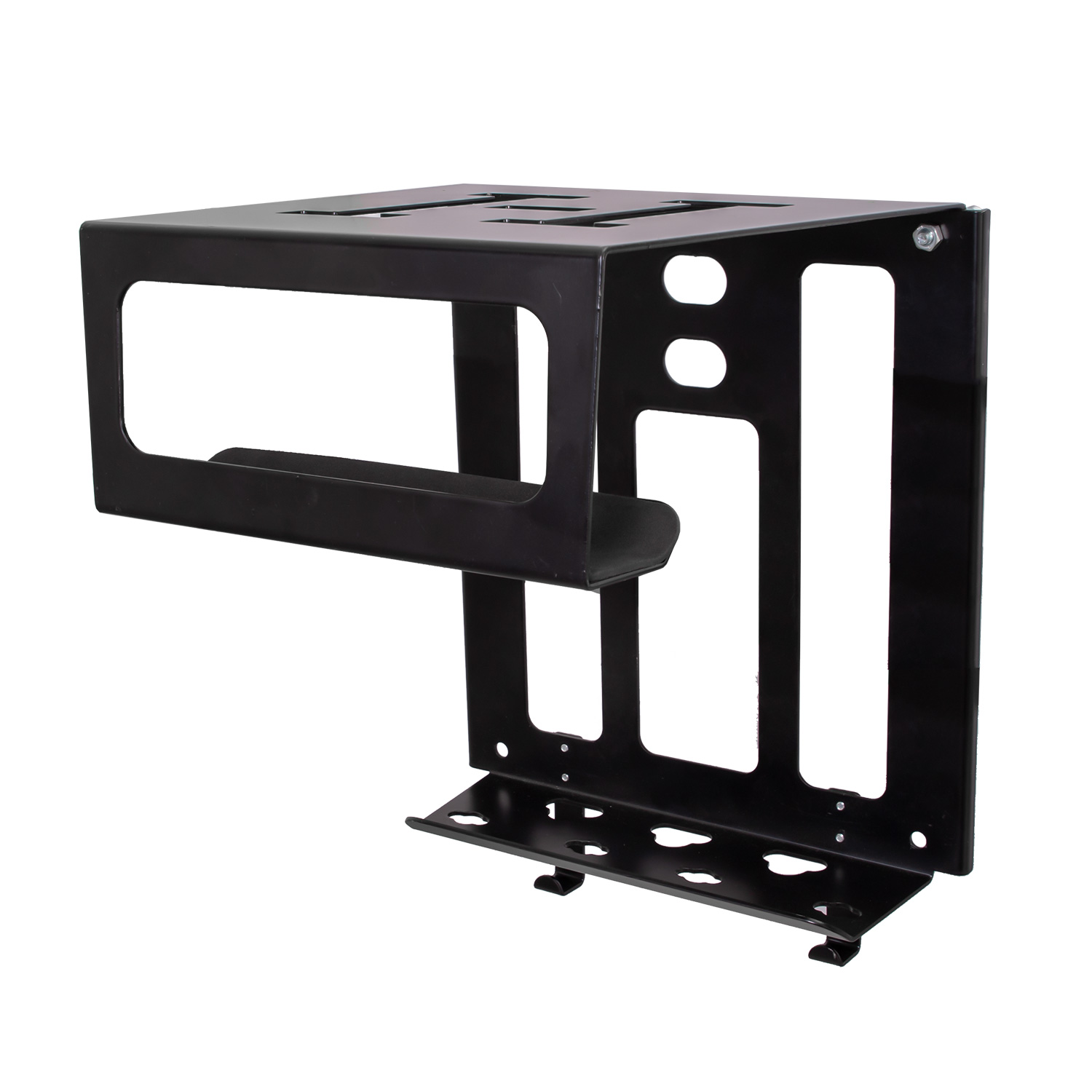
Absolutely. As an integrated manufacturer and exporter, Harke supplies 11 major accessory categories including bike lights, smart brake sensors, high-pressure electric pumps, wall-mount parking racks, repair stands, and handlebar grips. We consolidate your multi-category order at our Shenzhen warehouse into unified cartons and single customs declarations, drastically cutting landed freight costs into Castries.