Precision Cycling Hardware & Active Visibility Systems
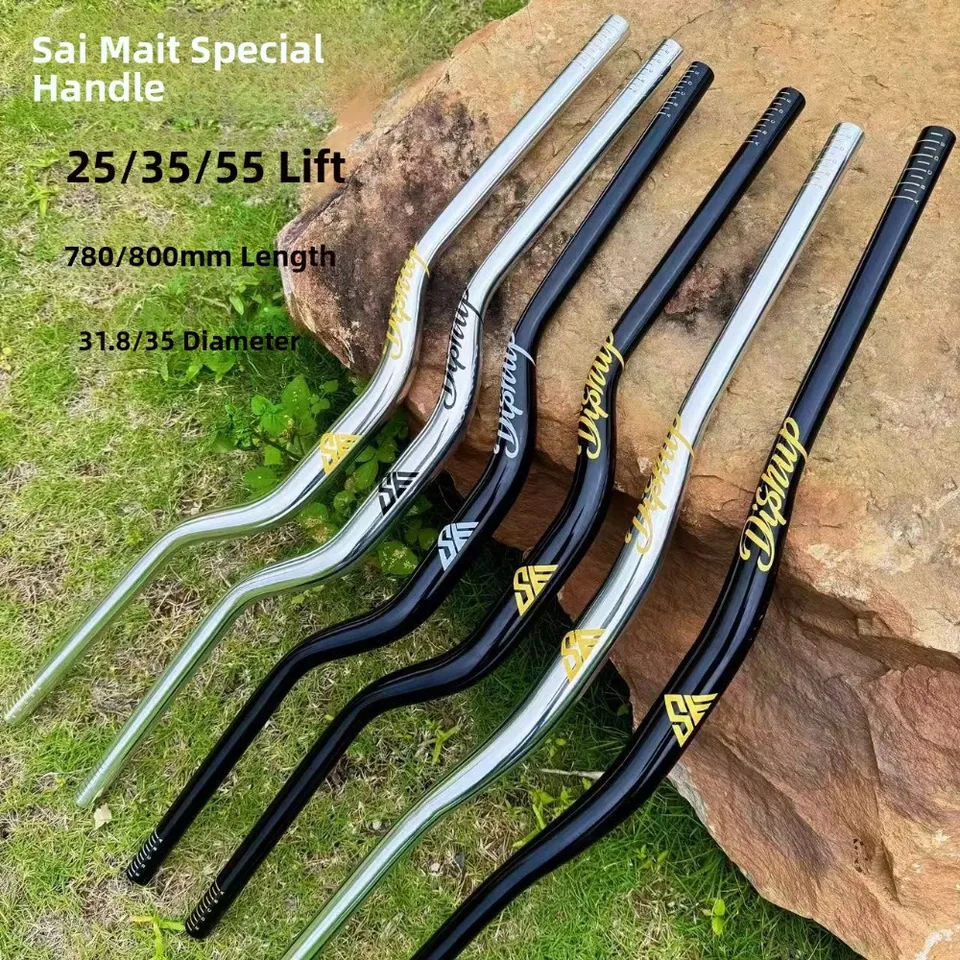
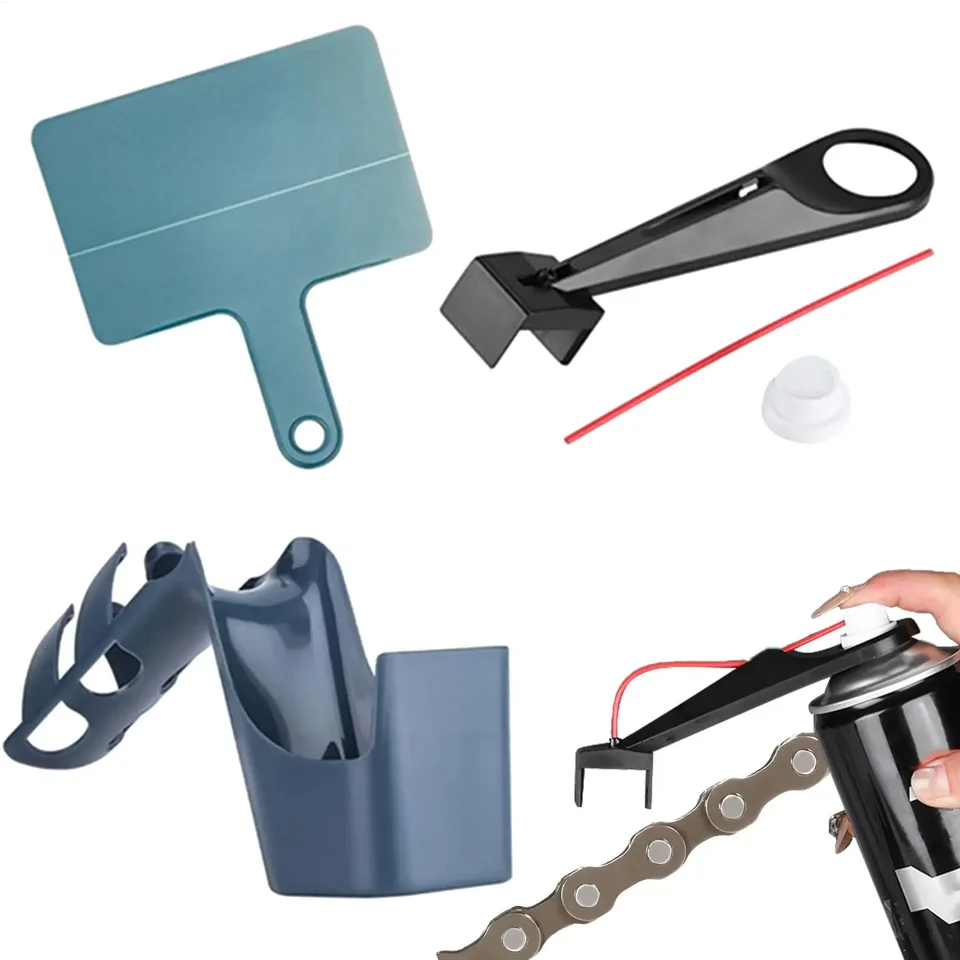
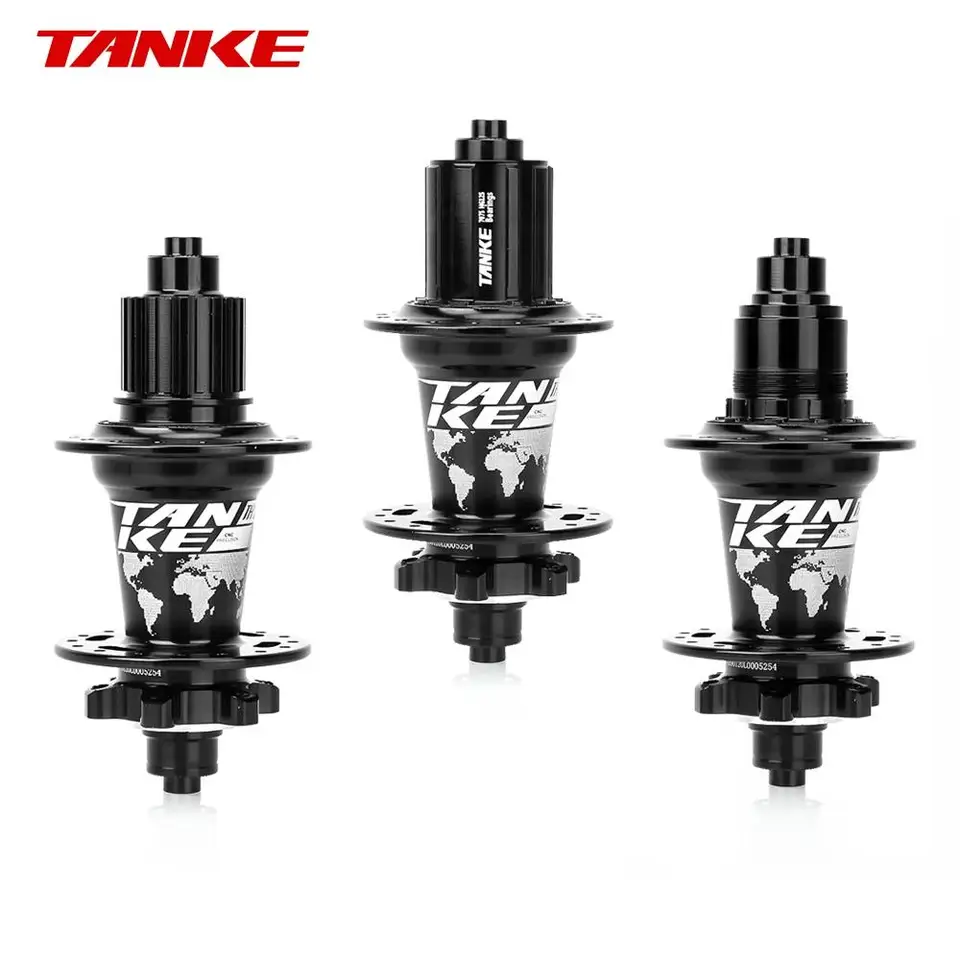
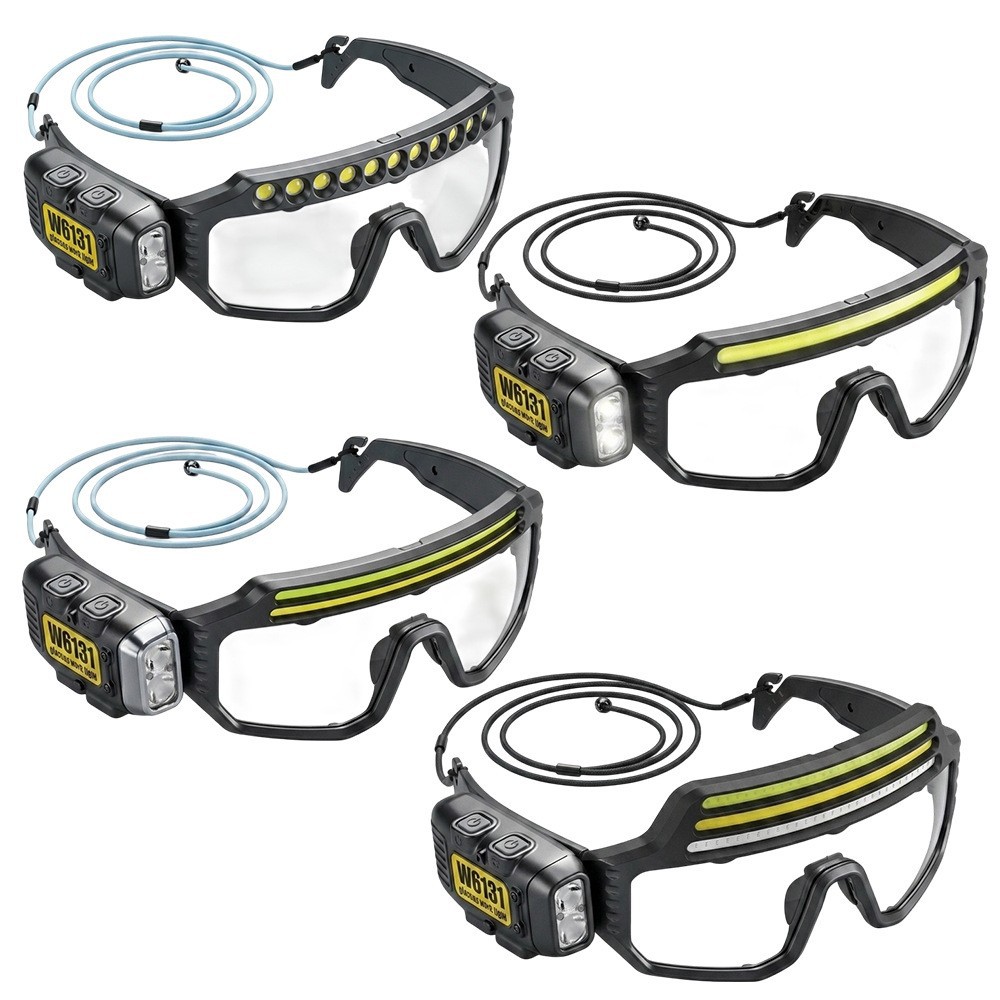
A high-performance reflective bike vest operates within an integrated rider safety matrix. Below are precision components, illumination systems, and drivetrain parts developed to withstand the rigorous demands of Colombian urban and Andean terrain.
The High-Visibility Landscape in Colombia: Regulatory Imperatives & Urban Micromobility
Colombia stands as the undisputed cycling capital of Latin America. Driven by an unparalleled cultural passion, extensive cycling infrastructure, and stringent federal traffic legislation, the national demand for certified reflective bike vests (known locally as chalecos reflectivos) represents one of the most consistent, recurring safety apparel markets in the Southern Hemisphere.
In major metropolitan centers such as Bogotá—which boasts over 600 kilometers of dedicated bike paths (Ciclorrutas) and registers over 800,000 daily bicycle trips—the bicycle is not merely a recreational instrument, but a critical transport pillar. In Medellín, with its integrated mass transit and urban valley elevation challenges, and in Cali and Barranquilla, cycling volume has seen double-digit compound annual growth rates (CAGR). However, this rapid micromobility expansion brings severe road vulnerability challenges, making passive optical identification a legal and operational mandate.
Ley 769 de 2002 Mandate
Under Article 94 of Colombia's Código Nacional de Tránsito Terrestre, every cyclist and motorcyclist traveling between 18:00 (6:00 PM) and 06:00 (6:00 AM) or under reduced visibility conditions is legally mandated to wear high-visibility reflective apparel. Non-compliance results in immediate financial penalties (Comparendo Tipo A), creating a baseline consumer necessity.
Last-Mile Delivery Expansion
Colombia's gig economy—spearheaded by platforms like Rappi, Mensajeros Urbanos, and logistics carriers—deploys tens of thousands of delivery couriers who navigate mixed vehicular traffic 14+ hours daily. Fleets enforce occupational safety compliance (SST) protocols requiring standardized, high-wear reflective vests with dual-band retroreflective sheeting.
Andean Climate Resilience
From the cold, drizzle-laden Bogotá plateau (2,640m above sea level) to the sweltering, high-humidity coastal ports of Cartagena and Barranquilla, reflective vests imported into Colombia must resist rapid thermal cycling, mold degradation, and loss of retroreflection caused by tropical rainfall.
Technical Optical Engineering: Retroreflective Tape & Fluorescent Substrates
A compliant reflective cycling vest is an optical instrument designed to manipulate light return to driver eye level. When specifying products for the Colombian distribution sector, importers must clearly distinguish between low-grade glass-bead coatings and high-performance micro-prismatic technologies, as well as ensure day/night contrast efficacy through international optical standards like EN ISO 20471 (Class 2) and ANSI/ISEA 107-2020.
| Engineering Attribute | Standard Grade (Low-End Aftermarket) | Commercial Commuter Grade (Mid-Tier) | Institutional & Pro Fleet Spec (Harke Recommendation) |
|---|---|---|---|
| Retroreflective Material | Single-layer exposed glass bead tape | High-index glass bead heat-transfer vinyl (HTV) | Micro-Prismatic Vinyl (PVC/PU) with sealed prism cells |
| Coefficient of Retroreflection (R') | < 100 cd/(lx·m²) at 0.2° / 5.0° | 250 – 330 cd/(lx·m²) (Compliant baseline) | > 420 cd/(lx·m²) (Exceeds EN ISO 20471 Class 2) |
| Base Fabric Substrate | Non-breathable solid 60 g/m² polyester | 110 g/m² fluorescent polyester knit | 120–140 g/m² open-pore warp-knit mesh (Air-Mesh) |
| Wash Durability Efficacy | 5 to 10 cycles (severe peeling) | 25 cycles at 40°C ISO 6330 | 50+ cycles at 60°C with intact photometric output |
| Wet Retroreflection Retention | Drops by 70% under rainfall | Drops by 40% when surface is saturated | Continuous high reflection (water repelled via sealed micro-lenses) |
| Closure & Adjustment Ergonomics | Flimsy 2cm single velcro patch | Front full zipper or dual side-elastic | Heavy-duty resin zipper + adjustable 4-point side buckles |
In high-altitude cities like Bogotá, ambient road spray carries fine road dust and soot. Glass-bead reflective tapes quickly suffer abrasion and loss of optical refraction when wiped dry with rough textiles. In contrast, micro-prismatic sheeting utilizes microscopic three-sided pyramids embossed into durable synthetic polymers. Because internal reflection occurs through total internal reflection within sealed prisms behind a protective top film, micro-prismatic vests maintain optical brilliance even when soaked by downpours on the Avenida Boyacá or Autopista Norte.
Localized Application Scenarios Across Colombian Environments
Successful commercial sourcing requires tailoring product ergonomics to specific municipal operational profiles. A one-size-fits-all reflective vest fails when exposed to the diverse topography and employment patterns of Colombia:
Sunday Ciclovía & Urban Commuters (Bogotá)
Every Sunday and public holiday, Bogotá closes over 120km of main arteries for over 1.5 million cyclists. Commuter-oriented reflective vests must balance casual aesthetics with rigorous visibility. Requirements favor lightweight, foldable harness-style or full-mesh zippered vests in Fluorescent Yellow (Pantone 13-0319 TCX) and Fluorescent Orange-Red that pack easily into compact frame bags.
Commercial Couriers & Delivery Ecosystem
Last-mile riders carry heavy delivery backpacks that obscure standard back-striping. Custom Colombian delivery specs demand wide-angle lateral retroreflection, inverted "V" rear chevron patterns positioned below backpack load levels, and heavy-duty front radio/smartphone chest pockets designed to withstand heavy, continuous daily wear.
Inter-Municipal Andean Road Cyclists (Los Escarabajos)
Colombia’s passionate amateur road cyclists frequently conquer extreme climbs like Alto de Letras or La Línea at dawn or dusk. These athletes demand aerodynamic, windproof front panels combined with rear micro-perforated mesh, ultra-slim reflective piping, and elasticized silicone waist grippers that eliminate aerodynamic drag while climbing.

Strategic Trends in Colombian High-Visibility Procurement (2025–2030)
The cycling safety landscape in Colombia is transitioning from passive, low-cost compliance toward engineered safety ecosystems. Procurement directors for major distributors in Bogotá, Medellín, and Cali are prioritizing three key trends:
1. Active Illumination Hybridization: Passive retroreflective sheeting depends entirely on the headlights of approaching motor vehicles. In poorly lit suburban corridors (such as Soacha, Bello, or Jamundí), passive tape provides zero warning if a vehicle's headlights are dimmed or misaligned. Forward-thinking Colombian tenders now specify hybrid vests incorporating integrated, flexible fiber-optic LED strips powered by lightweight, rechargeable lithium-ion battery packs (USB-C), yielding up to 800 meters of 360-degree autonomous visibility.
2. Ergonomic Modularity for High Altitude Fluctuations: Bogotá cyclists experience cold mornings (8°C) and warm mid-days (20°C). Vests featuring adjustable side-buckles or zip-off windbreaker liners allow the same vest to be worn comfortably over a heavy winter fleece or a lightweight summer jersey without flapping in headwinds or restricting upper-body thoracic movement.
3. Corporate Branding via High-Definition Sublimation: Corporate social responsibility (CSR) budgets and occupational safety funds (ARL - Administradoras de Riesgos Laborales) are funding massive cycling safety programs for corporate employees. Importers require OEM factories capable of high-definition digital dye sublimation and crisp reflective logo transfer that resist high-mineral-content Colombian tap water during washing.
Why Direct Factory Sourcing with Harke Shenzhen Delivers Strategic Value
Founded in 2019 in Shenzhen—the world’s epicenter for electronics, advanced plastics, and precision cycling manufacturing—Harke (Shenzhen) Technology Co., Ltd. serves as an onsite-verified OEM/ODM development partner for cycling brands, high-visibility apparel distributors, and commercial fleet managers across the globe.
Onsite-Verified Facility
Audited and verified premises spanning 1,000–3,000 m² of dedicated production, warehousing, and testing infrastructure in Xinqiao Subdistrict, Shenzhen.
≤ 4-Hour Response Velocity
Our sales engineering team maintains a 97.41% inquiry response rate, delivering technical quotations, spec sheets, and landed cost estimates in under 4 hours.
Flexible Multi-Tier MOQs
From sample pilot runs of 10–50 pieces for distributor field-testing to full 40-foot HQ container contracts with custom institutional branding.
Full Incoterms Execution
Experienced in shipping to Colombia via FOB Shenzhen, CIF Buenaventura, or CIF Cartagena, as well as expedited air freight (DDP/DDU) for urgent seasonal tenders.
Frequently Asked Questions from Colombian Importers & B2B Distributors
Key regulatory, logistical, and technical insights addressing customs, tariffs, compliance, and production lead times for Colombian trade.
What specific Colombian regulations govern reflective bike vests? +
What are the import duties and HS tariff codes for vests entering Colombia through DIAN? +
Can Harke provide custom branding, private label packaging, and barcode integration? +
What is the standard production and shipping lead time from Shenzhen to Colombia? +
How does the factory verify retroreflection and wash durability before export? +
What payment terms and currencies are accepted for Colombian B2B buyers? +
Request an Engineered Sourcing Quotation for Colombia
Whether you require 100 customized pilot samples for a regional municipal bid or 20,000 units for distributor distribution across Bogotá, Medellín, and Cali, our engineering team will provide detailed spec sheets and landed pricing within 4 hours.