Next-Generation Polymer Ergonomics for Demanding Urban & Trail Cycles
As bicycle transit evolves into heavy-load utility, commercial micro-mobility, and technical off-road riding, handlebar grips have shifted from simple cosmetic rubber covers to mission-critical vibration-dampening components. Sourcing high-performance thermoplastic rubber (TPR), vulcanized nitrile, and dual-density compound bike grips requires deep material telemetry, structural locking resilience, and scalable manufacturing facilities capable of answering strict ISO, REACH, and CPSIA compliances. Harke Technology provides verified turnkey engineering, mold design, and mass assembly for regional Chicago distributors, brand innovators, and fleet operators.
97.4%
Direct Inquiry Response Rate
≤ 4h
Rapid Engineering Response Time
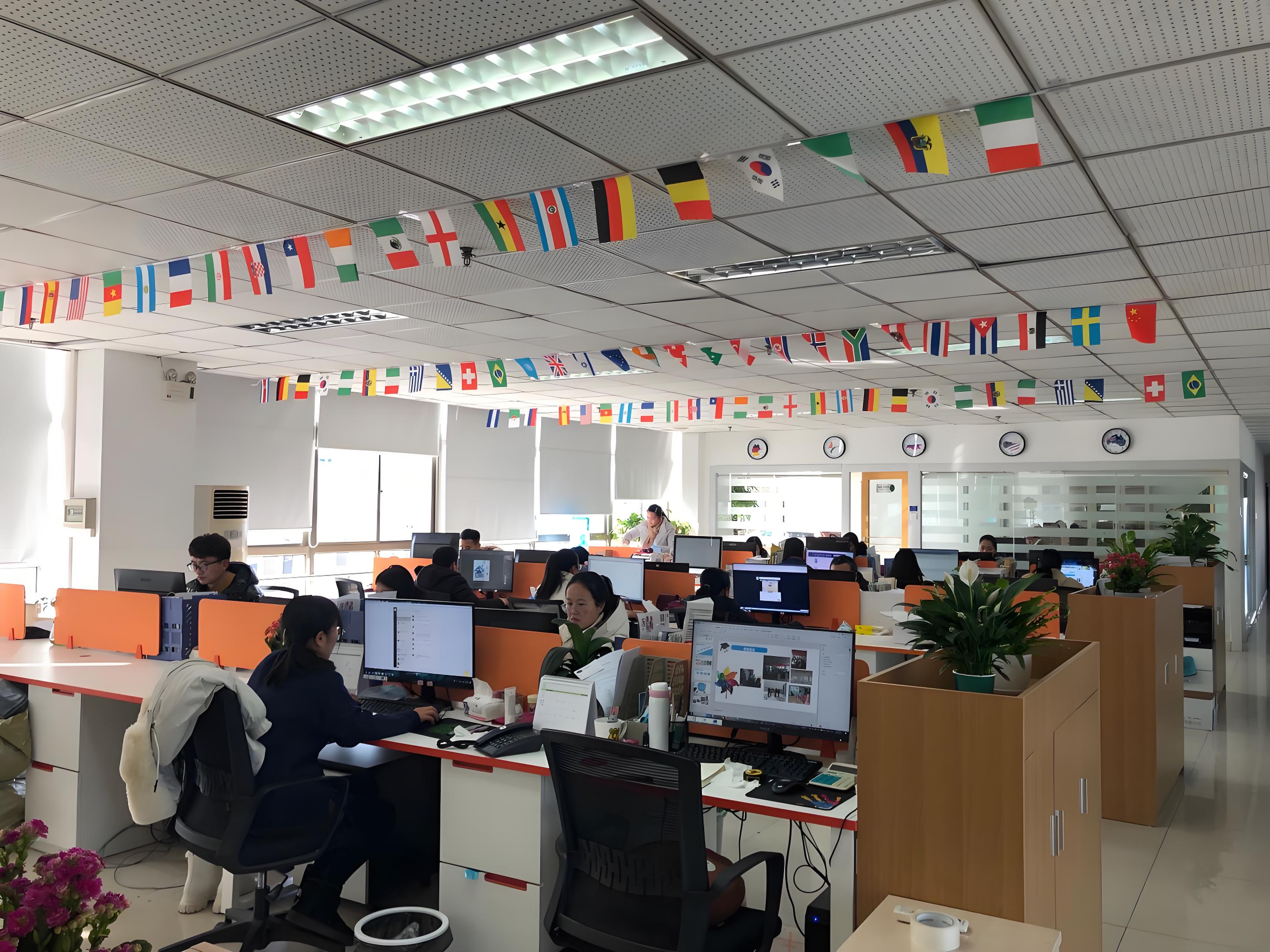
3,000 m²
Advanced Assembly Floor Capacity
10+ Yrs
Technical Team Design Expertise
Localized Application Scenarios in Chicago & the Upper Midwest
Chicago's geographic conditions impose severe thermal, chemical, and physical stresses on bicycle handlebar controls. From sub-zero lakefront gales to intensive commercial cargo corridors, grip vulcanization and polymer geometry must adapt to distinct local friction vectors.
The 606 & Lakefront Trail Commuters
Year-round commuters along the 18.5-mile Lakefront Trail face harsh salt spray, moisture mist, and sub-zero wind chills. Standard cheap PVC grips harden, micro-crack, and lose surface tackiness under 20°F. Our specialized Chicago-spec Thermoplastic Elastomer (TPE) blends maintain high viscoelastic resilience down to -30°F, ensuring slip-free control for glove-wearing riders without requiring excessive grip pressure that causes hand fatigue.
High-Payload Urban E-Cargo Delivery Fleets
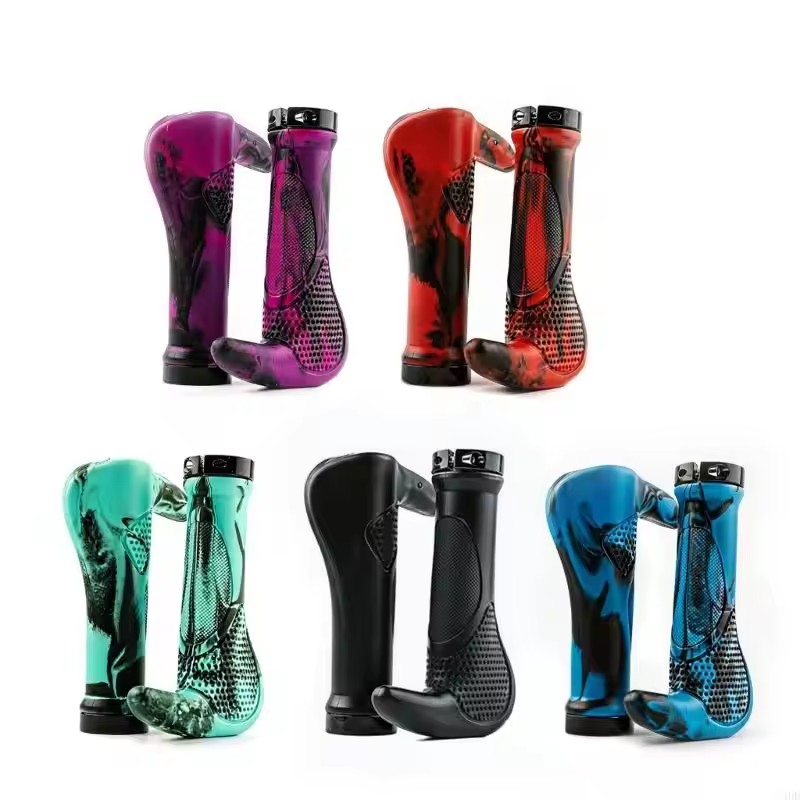
Last-mile couriers operating throughout the Chicago Loop, West Loop, and Fulton Market carry structural loads upwards of 150 kg. The sustained high-frequency motor vibrations of Class 2 and Class 3 e-cargo bikes directly transfer into the rider’s ulnar nerve. Our dual-injection ergonomic grips integrate mechanical winged palm supports and varying shore-A durometer zones to redistribute point pressure away from sensitive median nerves.
Palos Trail System & Midwest Singletrack
For cross-country and trail riders navigating the limestone outcroppings, root webs, and loose loamy clay of Cook County Forest Preserves, bar stability is everything. Our CNC double lock-on aluminum clamp systems eliminate throttle-slipping under high torque steering, featuring micro-textured half-waffle matrices designed to shed midwestern sludge while preventing palm abrasion during long sessions.
Emerging Procurement Trends in Chicago's Cycling Ecosystem
Procurement directors and B2B buyers across Illinois are re-evaluating supplier architecture to satisfy tighter sustainability guidelines, e-bike conversion rates, and lean just-in-time delivery schedules.
Eco-Compliant Bio-Circular Polymers
With Chicago municipalities prioritizing closed-loop green initiatives, fleet bids increasingly prioritize biodegradable elastomers, recycled crumb-rubber blends, and non-aromatic plasticizers that surpass EPA and EU REACH standards without sacrificing tensile endurance.
E-Bike Handlebar Cockpit Integration
The rapid rise of commuter electric bicycles across the Midwest has forced grips to interface cleanly with thumb throttles, cadence control pods, and smart turn-signal displays. Modern grips require precisely measured cutaways, wire routing channels, and asymmetrical inner cores.
Vibration Isolation Data Standards
Enterprise buyers no longer settle for subjective comfort claims. Industrial procurement teams demand documented frequency dampening indices across the 20 Hz to 200 Hz spectrum—the range directly responsible for Carpal Tunnel Syndrome among high-mileage urban couriers.
Why Global Brands and Midwest Distributors Partner with Harke
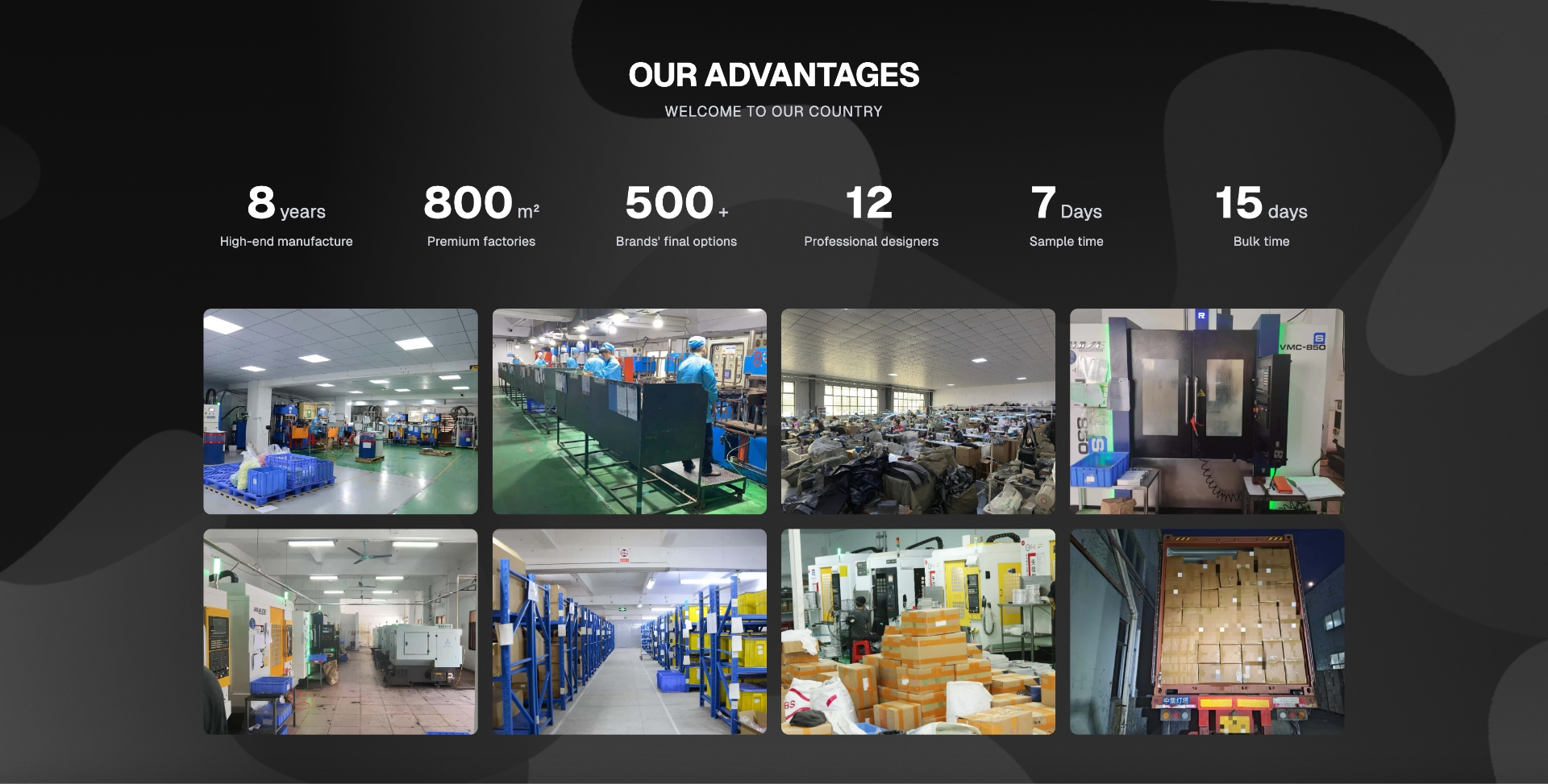
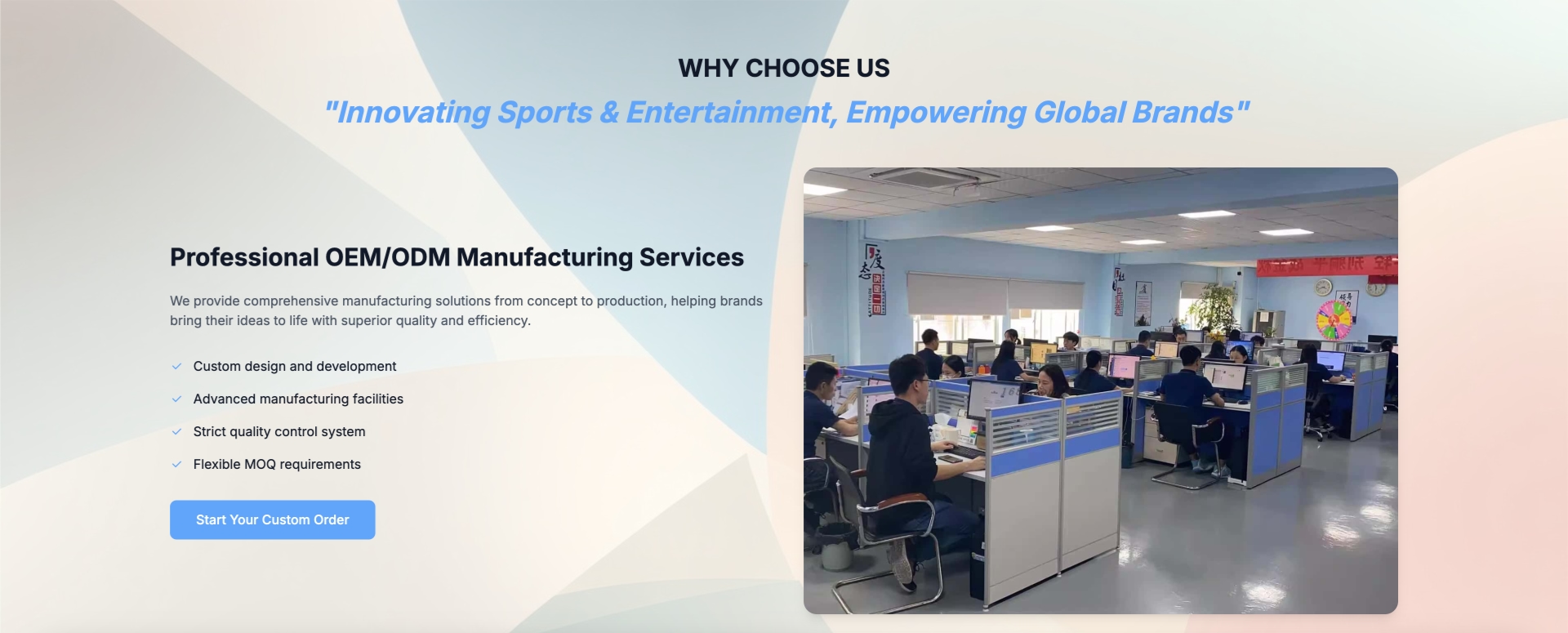
Operating an advanced, onsite-verified production facility in Shenzhen, Harke Technology functions as an agile OEM/ODM manufacturing partner. We bridge raw polymer precision with seamless Midwest distribution routes.
Rigorous In-Line Quality Gates
From durometer testing of raw compound pellets to mechanical torque shearing of anodized locking collars, every production batch is thoroughly documented. Third-party pre-shipment inspections are always supported.
Turnkey OEM & Private Label
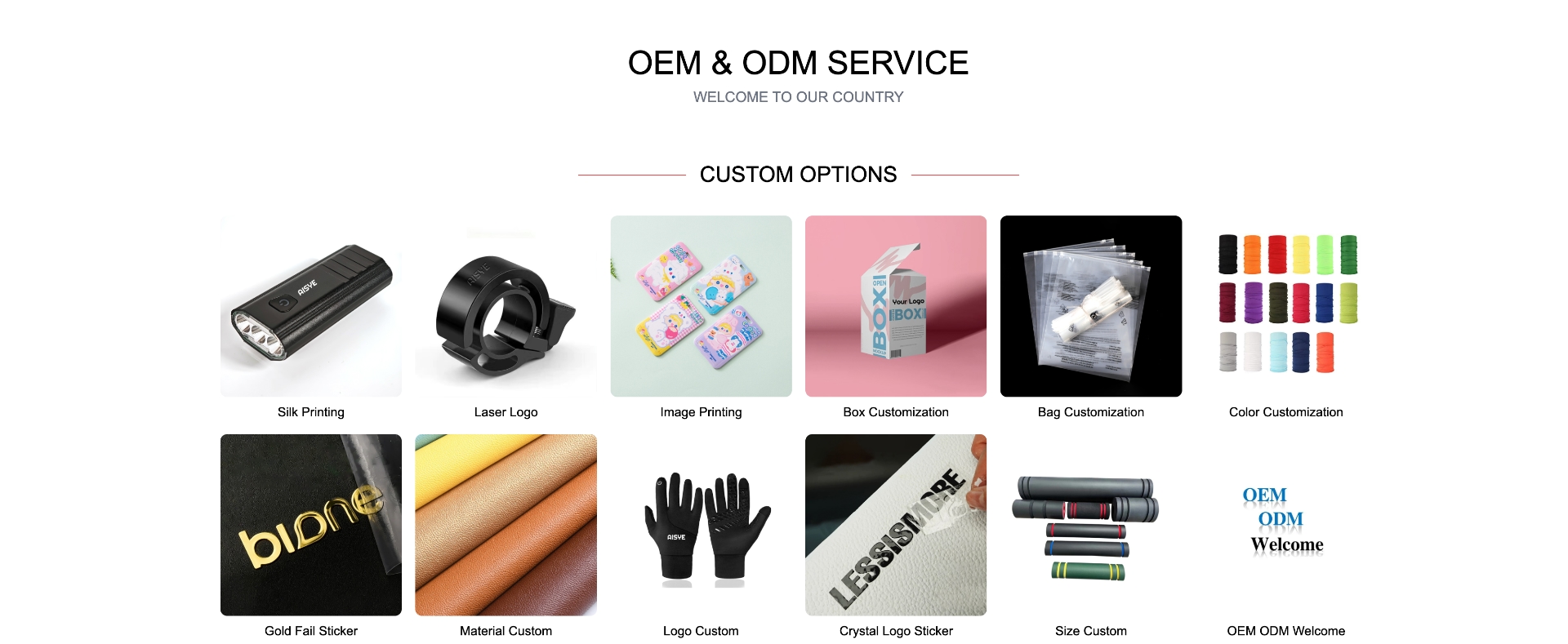
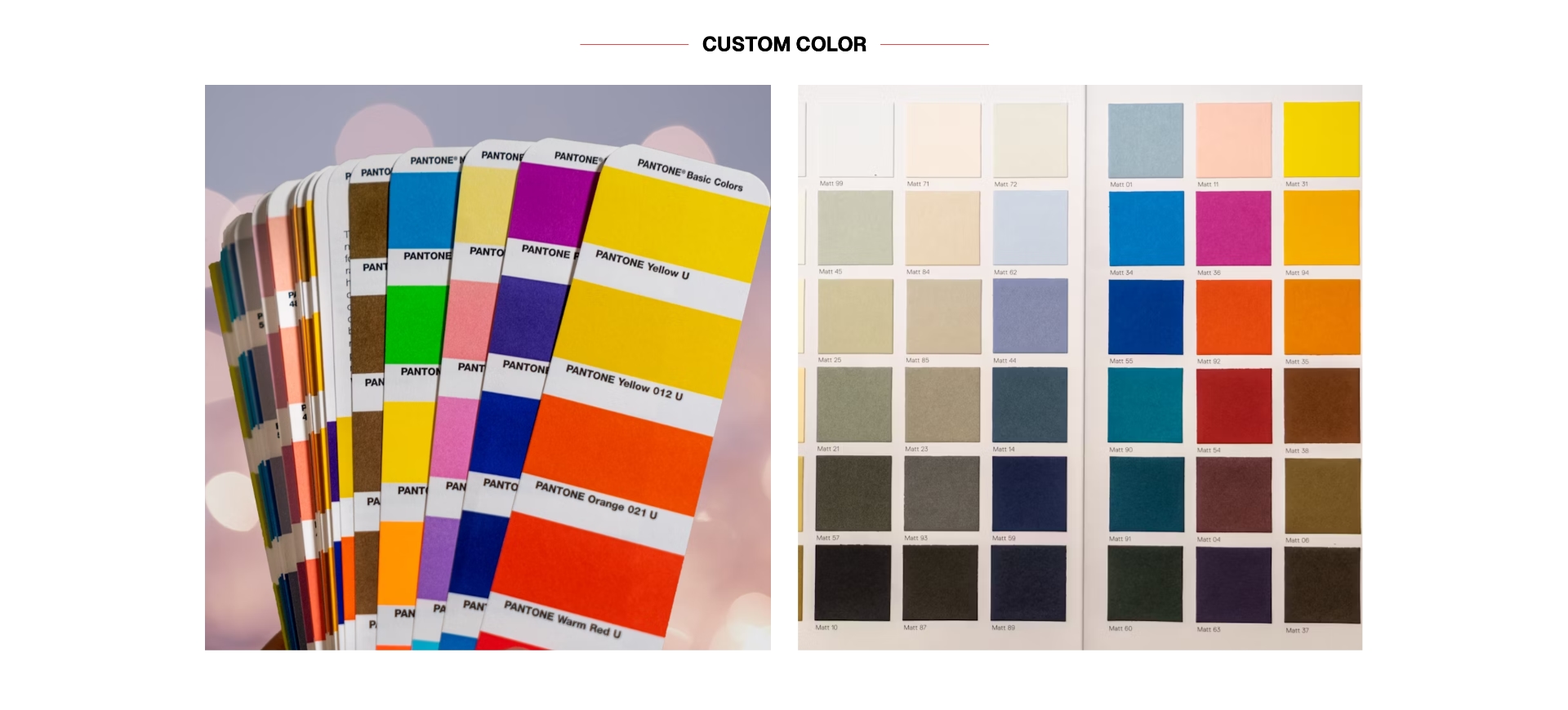
We provide comprehensive branding: customized mold tooling, laser-etched alloy lock-rings, custom Pantone matching, retail blister packaging, and direct FNSKU barcoding for turnkey retail distribution.
Flexible Midwest Freight (DDP/DDU)
We handle end-to-end logistics to the Port of Chicago, local intermodal terminals, and suburban distribution centers across Cook and DuPage counties, offering full FOB, EXW, DDP, and express air courier options.
Low MOQ Scalability
We reduce entry risk for local bike shops and regional brands by offering low MOQs starting at 10 to 50 pairs for catalog designs, smoothly scaling to 50,000+ unit production runs with stable lead times.
B2B Technical Sourcing Checklist: Rubber Bike Grips
Prevent high return rates and warranty claims by locking in exact mechanical parameters before finalizing your purchase orders.
1. Elastomer Chemistry
Distinguish between Kraton, standard TPR, silicone, and EPDM. For humid summers and freezing Midwest winters, UV-stabilized TPR or EPDM compounds prevent the gummy degradation common with low-grade plastics.
- Shore A durometer range: 25A (cushion) to 55A (firm)
- UV resistance: ISO 4892-2 verified rating
- Tear resistance: > 25 kN/m threshold
2. Mechanical Core & Clamp
Ensure handlebar interfaces fit standard 22.2 mm (7/8") outer diameters. Lock-on variants must feature a rigid inner sleeve of recycled PP or nylon to stop twisting, accompanied by 6061-T6 aluminum clamps.
- Clamp torque rating: 2.0 to 2.5 Nm (M4 Allen bolt)
- Anti-rotation inner spine ribbed locking channels
- Corrosion-resistant stainless or zinc fasteners
3. Safety & End-Cap Protection
Bar-end plug security prevents painful "cookie-cutter" puncture injuries during falls. Modern requirements demand integrated bar plugs or securely anchored nylon expansion plugs that cannot pop loose.
- Closed-end vs. open-end with push-in plugs
- Compatibility with bar-end mirrors or turn signals
- CPSIA compliant for youth/BMX handlebars
Chicago B2B Sourcing: Frequently Asked Questions
Actionable answers to technical, commercial, and logistical queries from Midwest importers, wholesalers, and bike shop networks.
How do cold Chicago winters affect grip hardness, and how is this mitigated?
Low-grade PVC grips experience polymer glass transition (Tg) near 32°F (0°C), turning hard and brittle during freezing Chicago commutes. We formulate our grips using specialized Thermoplastic Elastomer (TPE) and synthetic rubber matrices engineered with a glass transition temperature below -40°F (-40°C). This preserves surface tactility, ergonomic damping, and glove grip even in sub-zero winter temperatures along Lake Michigan.
What are your standard Minimum Order Quantities (MOQs) for custom branded grips?
For standard catalog grips featuring existing open tooling, our minimum order quantity starts as low as 10 to 50 pairs. For private-label custom colorways (Pantone-matched) or laser-etched aluminum lock rings, MOQs are generally 500 to 1,000 pairs. Full custom tooling for proprietary ergonomic designs starts at 2,000 to 3,000 pairs, with mold costs amortized or credited back on follow-up volume orders.
Can you ship DDP directly to warehousing facilities in Chicago or Illinois suburbs?
Yes. We regularly handle Delivered Duty Paid (DDP) shipments direct to corporate warehouses, 3PL hubs, and fulfillment centers throughout the Chicago metropolitan area, including Elk Grove Village, Bolingbrook, and Joliet. We handle all ocean/air freight, customs clearance, ISF filings, tariff classifications, and domestic intermodal transport right to your loading bay.
Do your grips comply with US consumer safety standards (CPSIA, California Prop 65)?
All Harke handlebar grip formulations are engineered to pass strict North American safety regulations. We test for total lead, phthalates, Polycyclic Aromatic Hydrocarbons (PAHs), and short-chain chlorinated paraffins (SCCPs) to ensure full compliance with CPSIA requirements for youth bicycles as well as California Proposition 65 limits, backed by verified lab test documentation.
How do you prevent grip slippage on commercial e-bikes and bikeshare fleets?
Traditional slip-on grips rely solely on friction and can slip ("throttle-twist") when moisture or road salt seeps between the rubber and bar. For commercial fleets, we engineer double-sided mechanical lock-on grips featuring internal rigid nylon sleeves that clamp directly onto the bar via 6061 aluminum alloy collars torqued to 2.5 Nm, ensuring absolute zero twist regardless of rain, snow, or torque.
What is the typical lead time from rapid prototyping to bulk delivery?
For existing tooling, sample dispatch takes 3 to 7 business days, with mass production completed in 20 to 30 days. For custom OEM mold development, 3D prototype files and tooling fabrication take approximately 20 to 25 days, followed by sample confirmation and a standard 30-day production run. Sea freight to the Port of Chicago via West Coast rail links typically takes 22 to 28 days.
Accelerate Your Cycling Grip Development Program
Connect directly with our engineering sales desk for material data sheets, custom OEM mold quotations, and sample packs for evaluation across your Midwest cycling dealer networks.