Gravity / Enduro
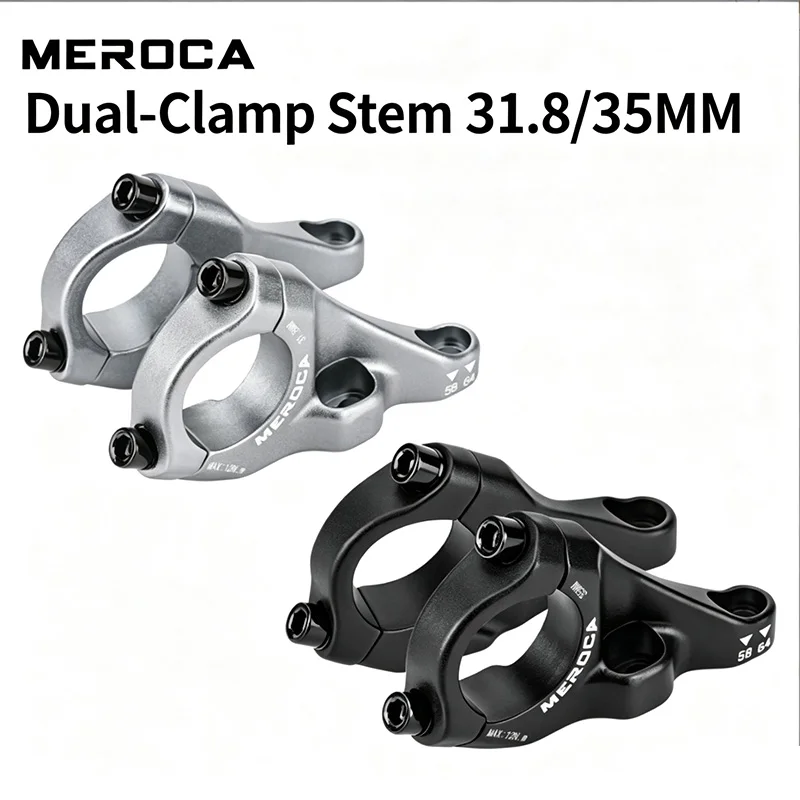
Verified structural hardware, cockpit assemblies, and drivetrain accessories manufactured in Shenzhen, tested under strict international cycling standards for commercial importers across Italy.
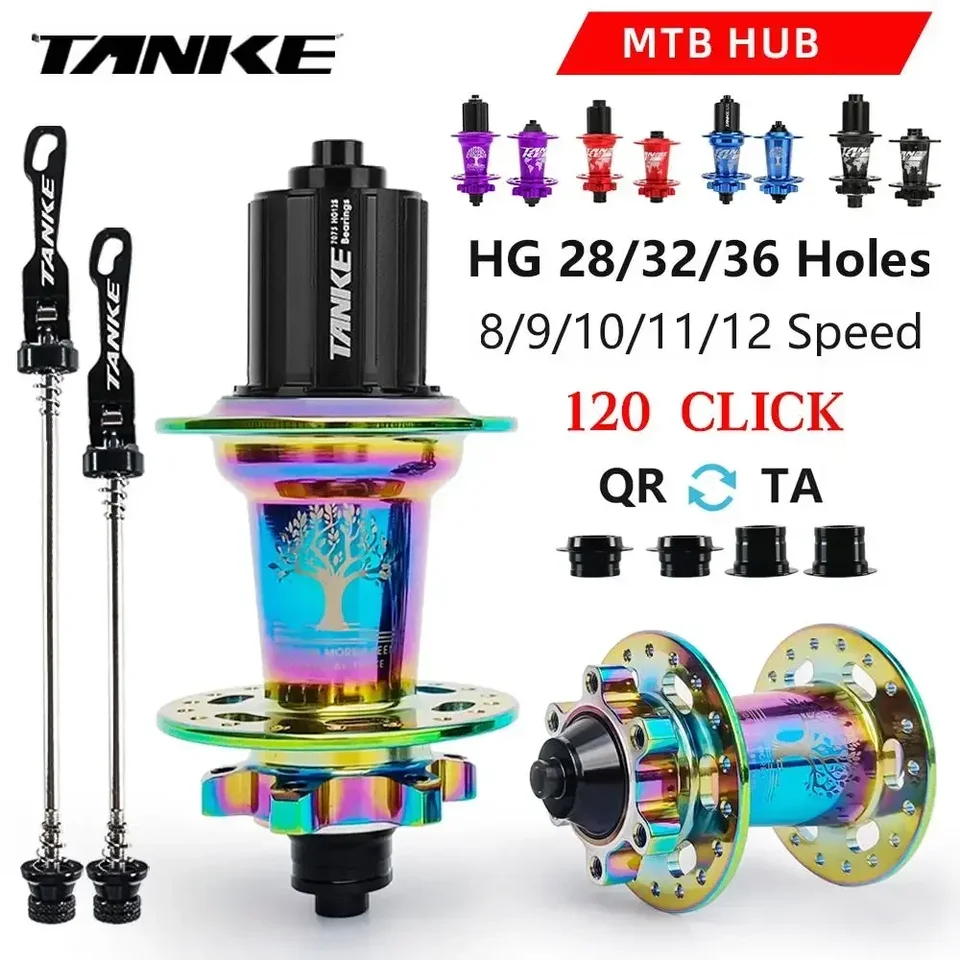
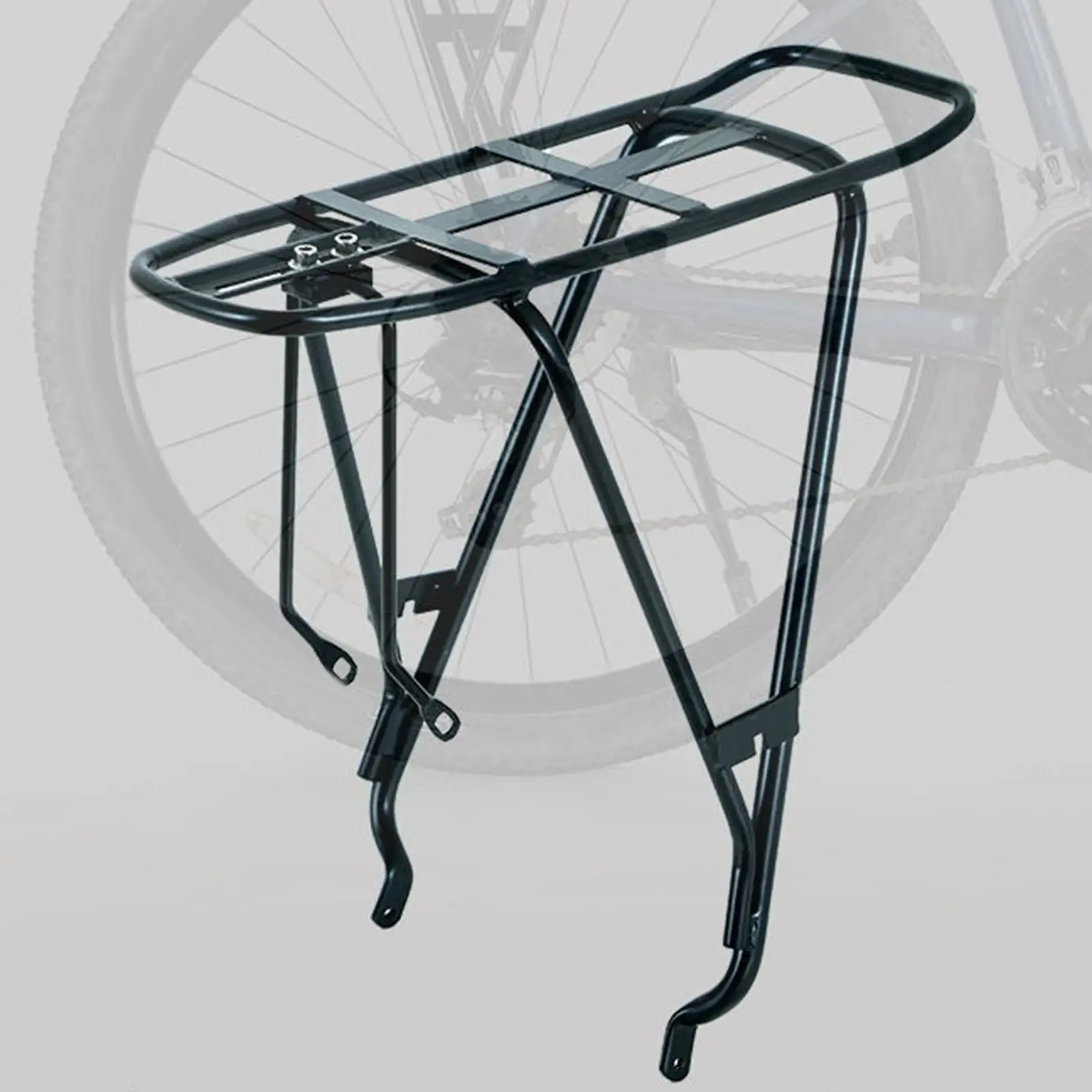
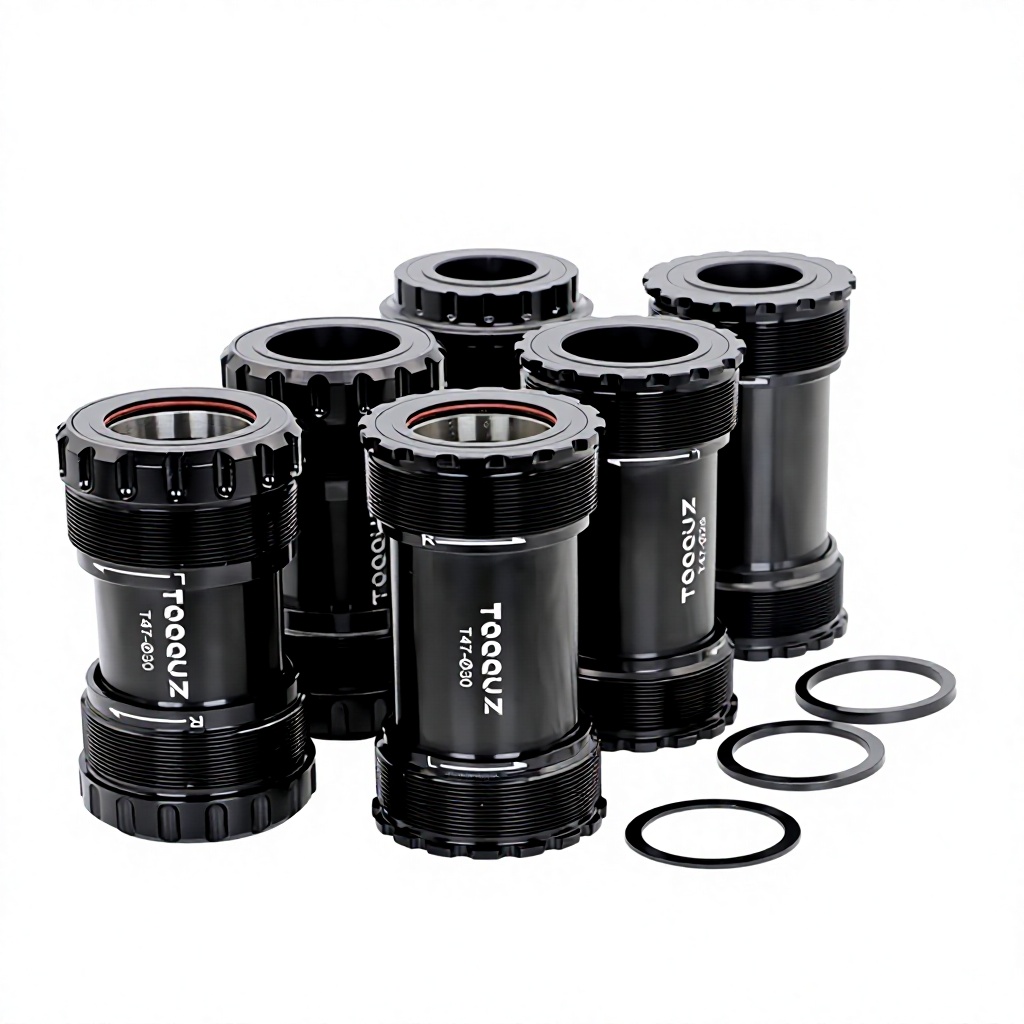
A rigorous examination of carbon fiber layup architectures, resin transfer molding technologies, and safety certifications for distributors supplying the Ligurian and Italian bike industry.
At our Shenzhen manufacturing and supply chain coordination hub, the design of performance carbon forks begins at the microscopic fiber level. The standard industry fork often utilizes commodity chopped carbon fibers or basic standard-modulus fabrics that yield brittle structural characteristics. In contrast, our export-grade forks destined for European distribution leverage genuine Torayca® high-modulus unidirectional carbon fiber prepregs (T700S, T800H, and strategic placements of T1000 carbon at the fork crown and steerer transition).
By utilizing a 0°/45°/90° multi-axial layup schedule, our engineering team manages directional anisotropic properties. The 0° longitudinal plies run continuously from the dropouts through the fork blades and wrap directly into the tapered steerer tube (1-1/8" to 1-1/2"), delivering extreme tensile strength against front-impact braking forces. Concurrently, ±45° bias-ply carbon weaves mitigate torsional twisting under heavy disc braking loads, eliminating the dangerous brake-rub and steering deflection common on steep alpine descents.
Utilizing high-density Expandable Polystyrene (EPS) internal mandrels to apply uniform 360-degree internal pressure during the curing cycle. This eliminates internal resin voids, dry spots, and structural wall inconsistencies along the critical fork crown and dropouts.
Infused with specialized nano-toughened epoxy resin featuring a high glass transition temperature (Tg > 180°C). This matrix prevents composite delamination under extreme thermal spikes generated by prolonged hydraulic flat-mount disc braking.
Engineered with smooth, seamless carbon routing channels for internal hydraulic brake lines and electronic transmission wiring. Designed with zero pinch points to preserve fluid dynamics and aerodynamic airflow across the fork blades.
Italian cycling brands require versatile configurations capable of serving differing customer segments. Whether your brand targets high-speed aerodynamic road racing along the Italian Riviera or rugged backcountry gravel expeditions across the Ligurian Apennines, selecting the proper fork geometry and composite density is vital.
| Specification Parameter | Aero Road Carbon Fork | Adventure Gravel Carbon Fork | Enduro / E-MTB Rigid Fork |
|---|---|---|---|
| Prepreg Composition | Toray T800H + T1000 (Crown Matrix) | Toray T700S + T800 Impact Weave | Toray T700 Heavy-Ply Reinforced |
| Nominal Weight | 340g - 375g (uncut steerer) | 430g - 485g (with cage mounts) | 610g - 680g (Boost reinforced) |
| Steerer Tube Standard | 1-1/8" to 1.5" Tapered / Full D-Shape | 1-1/8" to 1.5" Over-Sized Tapered | 1-1/8" to 1.8" E-Bike Specific |
| Axle-to-Crown Dimension | 368mm – 375mm | 395mm – 405mm | 485mm – 505mm (Suspension Corrected) |
| Tire Clearance | 700c x 28mm – 32mm Max | 700c x 47mm / 650b x 2.1" | 29" x 2.6" or 27.5" x 3.0" Boost |
| Braking Standard | Flat Mount 140/160mm Rotor | Flat Mount 160/180mm Rotor | Post Mount 180/203mm Rotor |
| Mounting Hardware | Internal Brake Channel only | 3-Pack Fork Blade Eyelets & Dynamo | Low-profile Rack & Mudguard tabs |
Why typical stock bicycle forks fail in Genoa, and how specialized composite manufacturing solves the dual challenges of high-gradient terrain and marine salinity.
The transition from the Ligurian coastline to the mountain crests involves sharp hairpins, continuous 12%+ gradients, and sudden surface transitions. Our carbon forks feature reinforced longitudinal plies along the crown race interface to absorb heavy front-end chatter without sacrificing pinpoint steering precision on hairpin entries.
Operating near Genoa's Mediterranean shoreline exposes bicycles to intense marine aerosol and humidity. While conventional forks use exposed aluminum inserts that experience galvanic corrosion against carbon, our forks implement isolating glass-fiber barrier plies and anodized 7075-T6 threaded inserts to guarantee lifelong corrosion resistance.
Genoa serves as a gateway to Italy's most punishing backcountry ridgeline paths. Our adventure gravel forks incorporate curved blade rake geometry that enhances vertical compliance over shale, limestone rubble, and exposed tree roots while retaining complete lateral stiffness for loaded bikepacking bags.
Furthermore, within the historical center of Genoa (Centro Storico) and surrounding urban corridors, bicycles encounter cobblestone surfaces (ciottoli and pavé) and steep urban funicular-adjacent alleys. Rigid carbon forks must attenuate high-frequency vibration without inducing arm fatigue for commuters and courier delivery riders. The integrated vibration-damping elastomeric resin layers utilized in our high-end fork range actively dissipate high-frequency micro-chatter, providing a silky ride quality that directly translates to superior consumer satisfaction for our clients' branded bikes.
Market dynamics, regulatory shifts, and commercial growth vectors for bicycle assemblers, OEM brands, and distributor networks across Northern Italy.
Italian consumers are rapidly adopting all-road and gravel frames capable of dual-purpose weekend bikepacking and weekday commuting. Importers in Genoa are expanding procurement orders for gravel forks that accommodate massive 700x45c+ tires with hidden mudguard eyelets.
Under the Genoa Urban Plan for Sustainable Mobility (PUMS), municipal investments in segregated cycling infrastructure (such as the Corso Italia cycleway) have stimulated fleet purchases for lightweight electric and acoustic commuter bicycles requiring dependable carbon front ends.
Regional boutique brands are shifting away from generic off-the-shelf open molds. Italian buyers increasingly leverage our OEM/ODM tooling services in Shenzhen to create proprietary aerodynamic fork blade profiles, unique offset rakes, and integrated crown designs.
With direct sea lines connecting Shenzhen and Yantian ports directly to the Port of Genoa (PSA Genova Pra' Terminal), buyers are bypassing northern European hub transshipments, reducing transit times, customs friction, and overall landed shipping costs.
Combining onsite-verified composite manufacturing facilities with comprehensive export documentation, agile prototyping, and stringent quality assurance.
Every fork mold iteration undergoes aggressive destructive and non-destructive laboratory testing. This includes dynamic fatigue tests with 100,000 cycles under variable front-axle loads, static crown bending tests exceeding 1,200 Newtons, and drop-weight impact tests exceeding European Standard requirements.
Our composite prepregs are strictly stored in temperature-controlled cold rooms (-18°C) to prevent premature resin cross-linking. CNC automated cutting plotters ensure millimeter-accurate prepreg plies, removing human error from composite layup thickness distribution.
From initial CAD modeling and 3D FEA (Finite Element Analysis) stress simulations to final water-transfer decals, UV-cured matte/gloss coatings, Pantone color matching, and multilingual retail or bulk palletizing, we bring your brand vision to market with professional speed.
Essential guidance covering customs duties, testing compliance, logistics routes to Liguria, minimum order volumes, and private mold exclusivity.
Whether you are expanding an established European cycling brand, developing a high-performance e-gravel fleet for Liguria, or seeking a resilient OEM manufacturing partner for frames and forks, our engineering team in Shenzhen is ready to deliver.