High-Performance Bike Storage Racks & Cycling Components
Explore our core volume-manufactured product portfolio available for direct container and pallet consolidation to Chișinău and Eastern Europe.
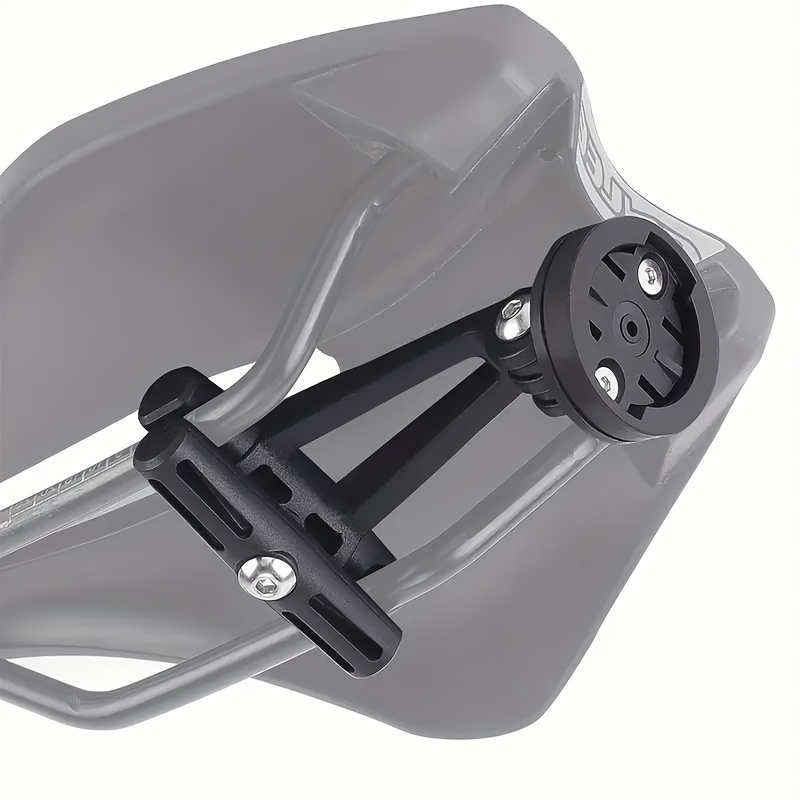
Bicycle Saddle Rail Mount Bracket Direct Drive 45° Angle Rear Light & Go Pro Mount
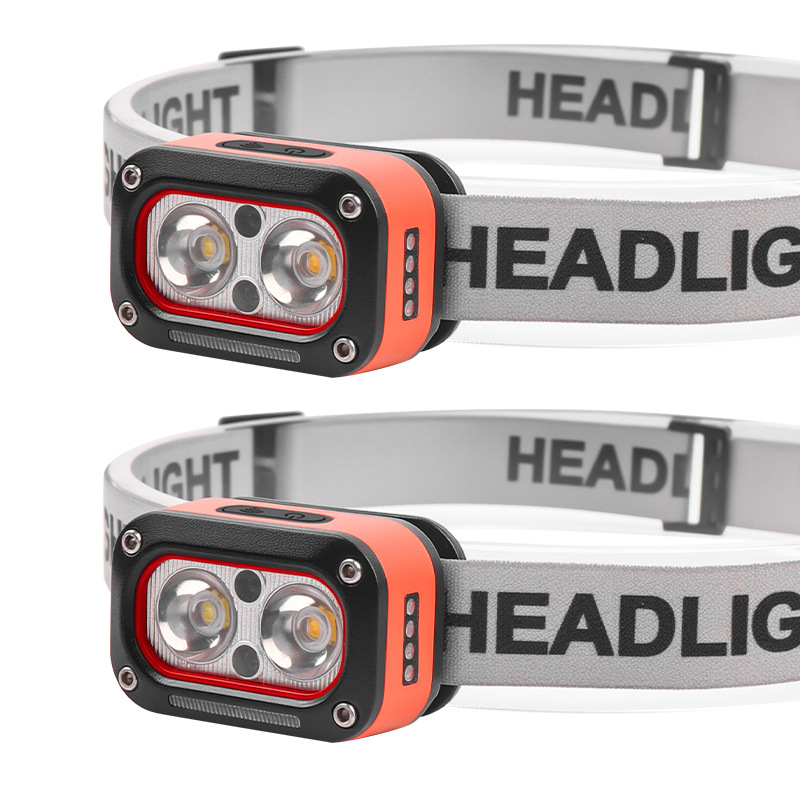
Super Bright LED Headlamp Rechargeable Sensor Headlight Waterproof Flashlight
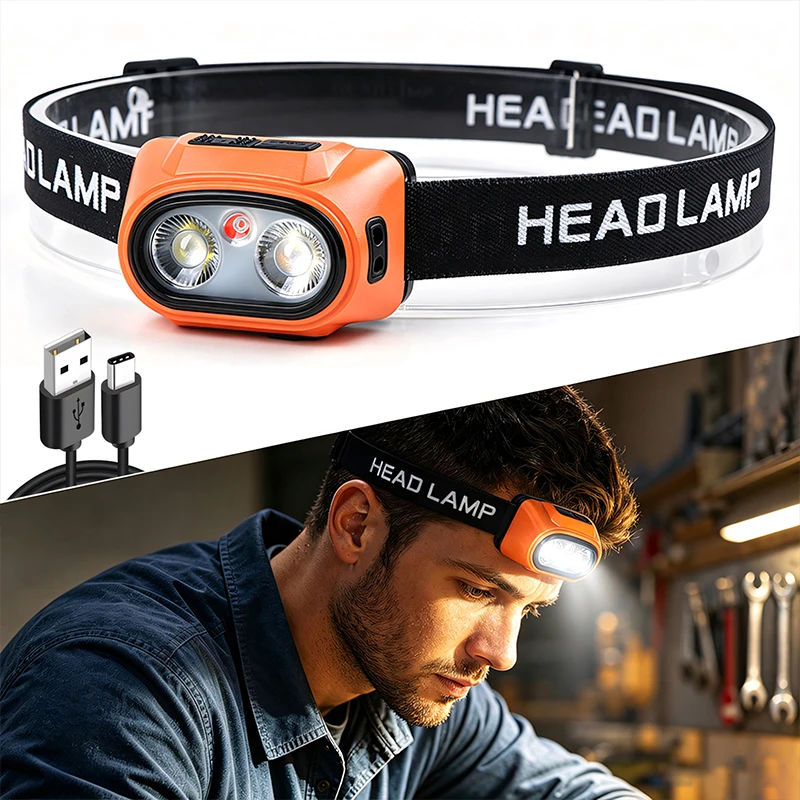
LED Headlamp Induction Head Lamp USB Rechargeable Outdoor Night Sensor Headlight
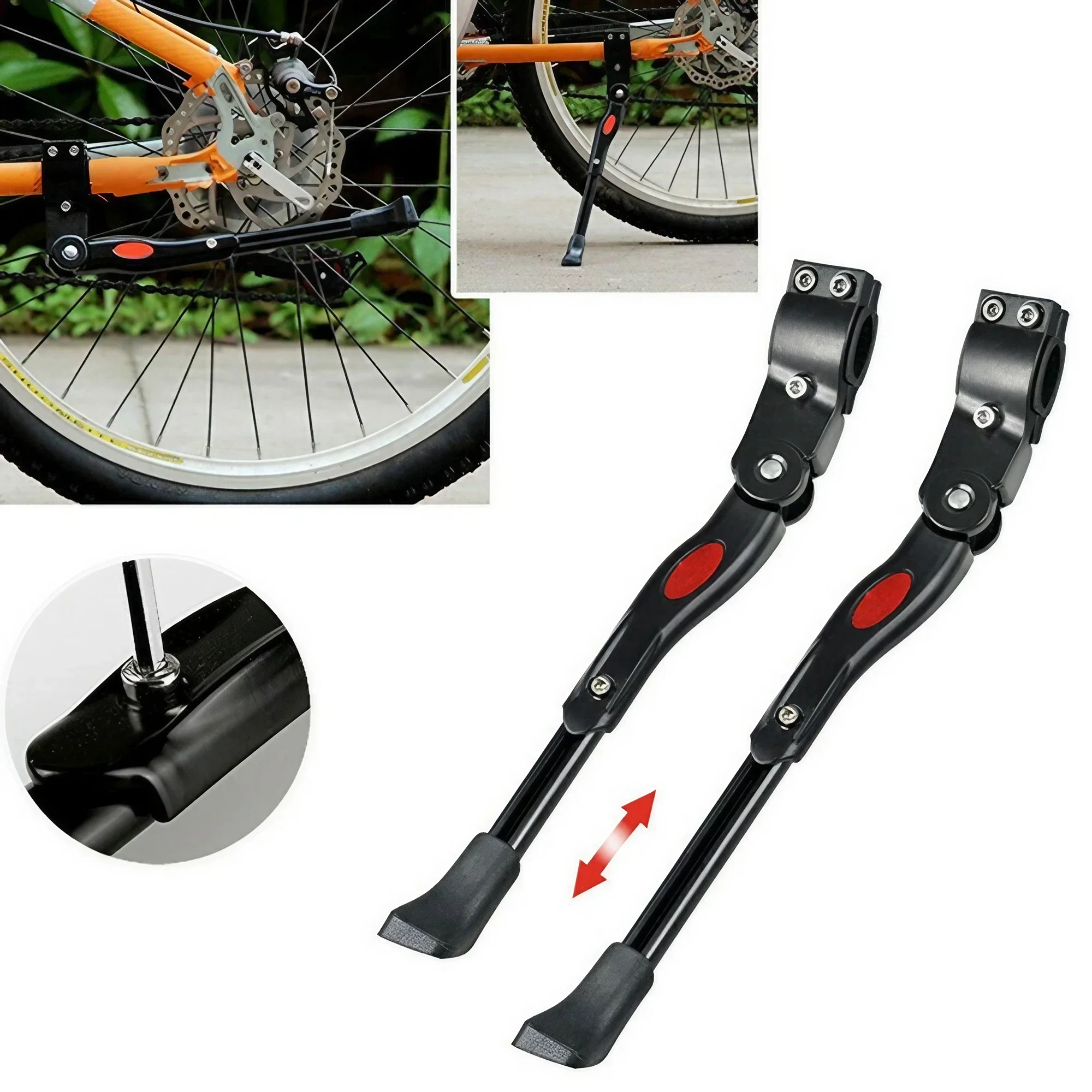
Bicycle Kickstand MTB Road Stand Support Aluminum Alloy Adjustable Rear Bracket
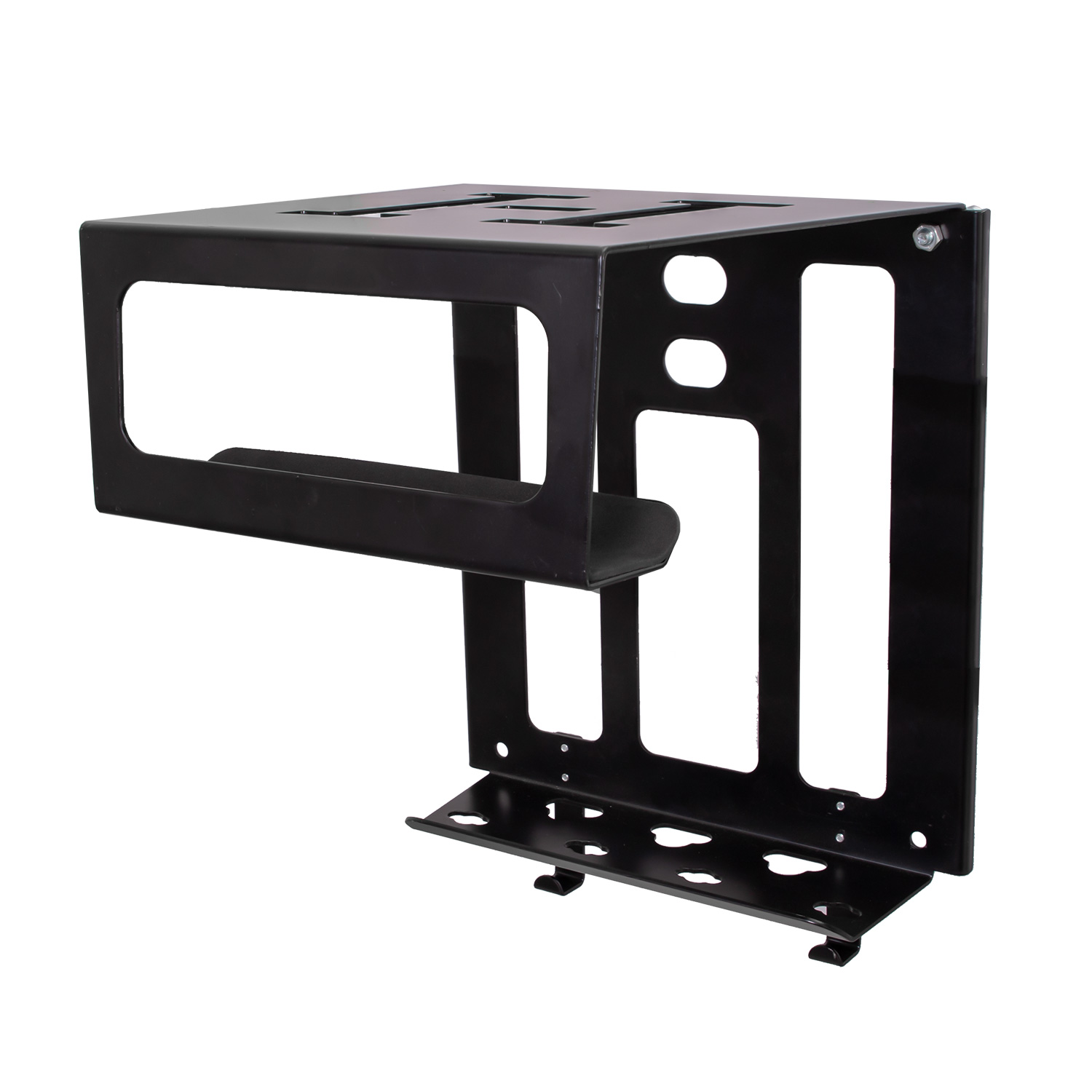
Heavy Duty Bicycle Wall Mount Rack Hot-Rolled Steel 25KG–40KG Max Load Capacity
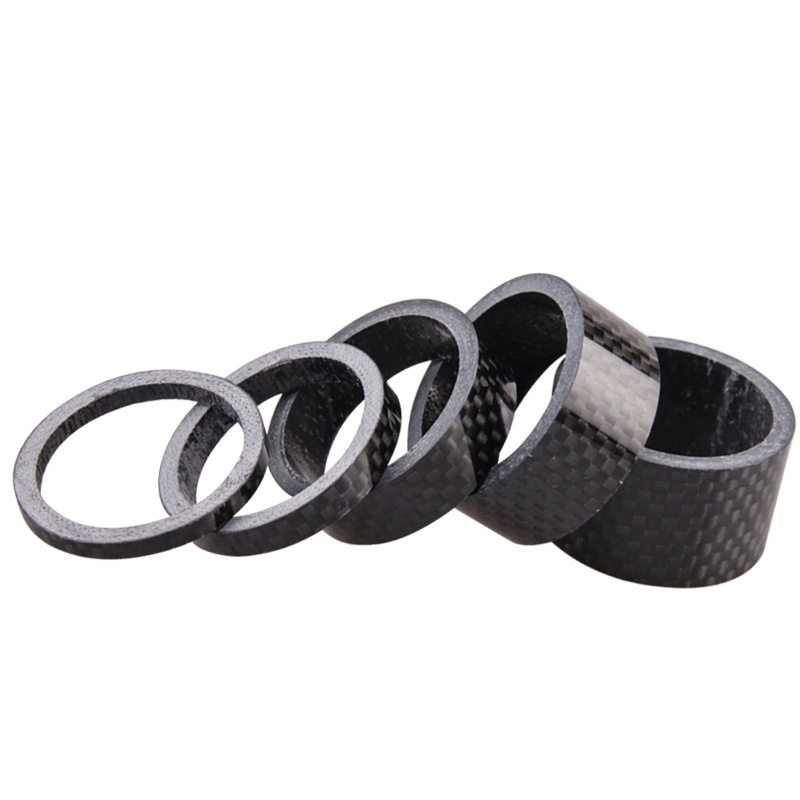
3K Carbon Fiber Headset Spacer Set 28.6mm Fork Ultra Lightweight Stem Riser Rings
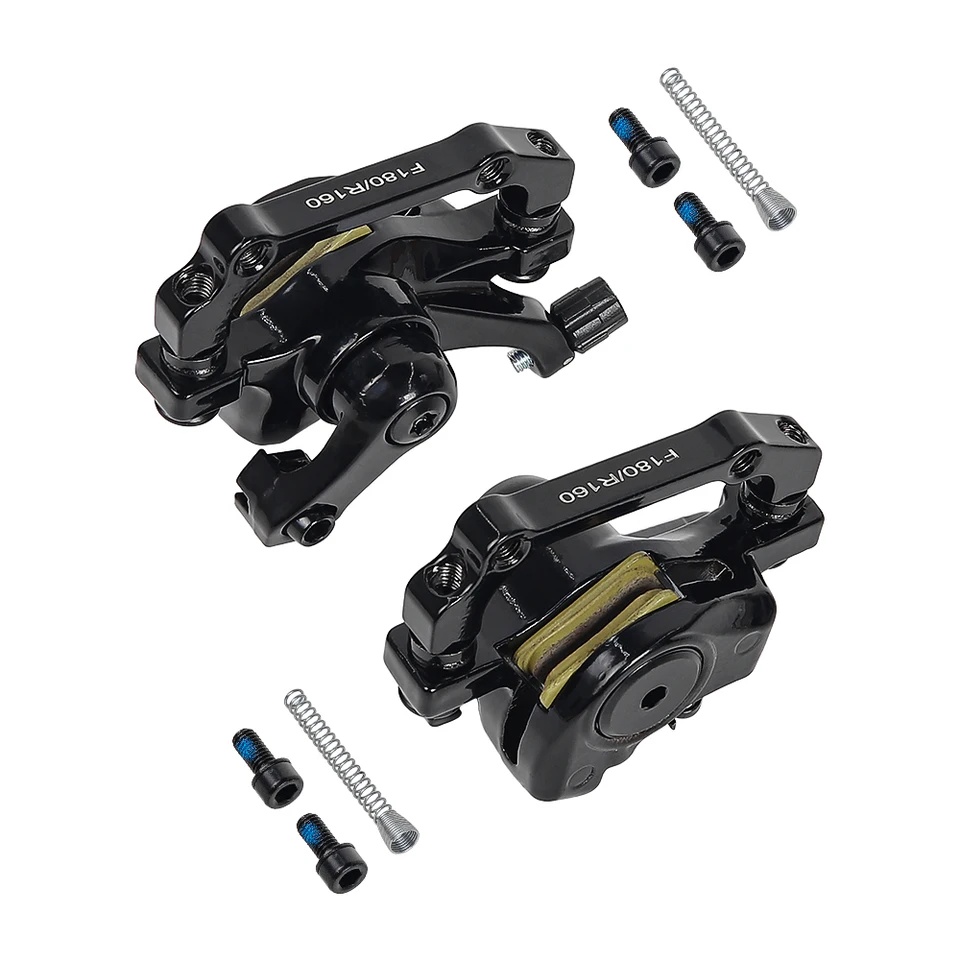
Right Mount Disc Brake Caliper F180 R160 Rotor for E-Scooter & Commuter Repair
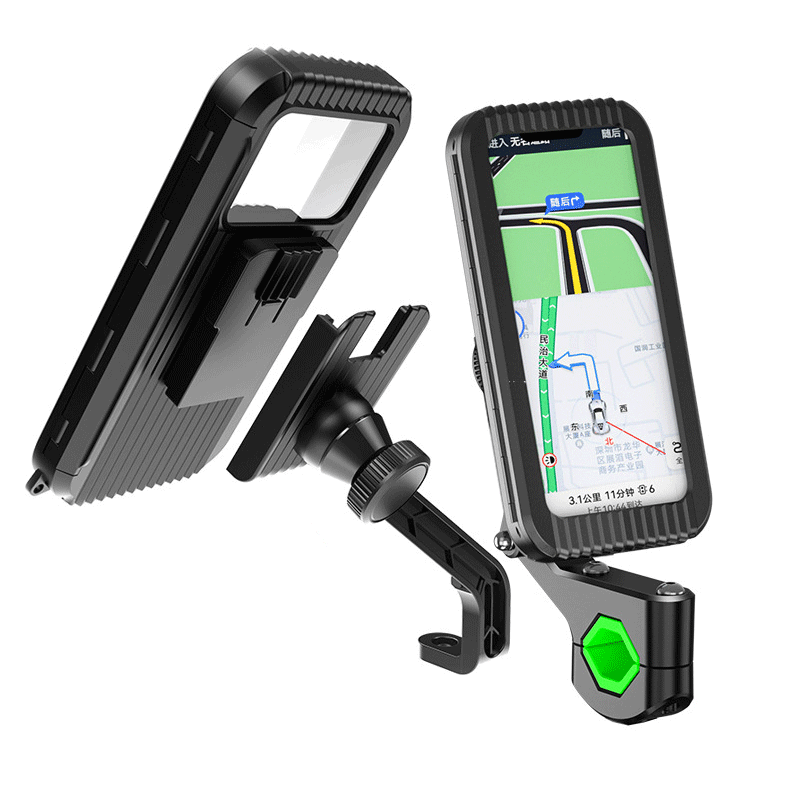
Waterproof Flip-Side-Open Bicycle Phone Holder 4.0–7.0 Inch Handlebar Mirror Base
Overcoming Spatial Deficits in Chișinău: The Engineering Rationale for Vertical Wall-Mounted Bike Storage
A data-backed technical assessment of micro-mobility storage requirements across the municipal sectors of Botanica, Rîșcani, Centru, Buiucani, and Ciocana.
The municipal framework of Chișinău, Republic of Moldova, is currently undergoing one of the most intense urban mobility transitions in Eastern Europe. As the capital aligns with the European Green Deal guidelines and integrates the municipal Sustainable Urban Mobility Plan (SUMP / Planul de Mobilitate Urbană Durabilă), bicycle commuting has moved from an auxiliary leisure activity to a daily primary transit mode. Key arterial routes—such as Bulevardul Ștefan cel Mare și Sfînt, Bulevardul Dacia, and the revitalized Strada 31 August 1989—have expanded segregated cycle infrastructure. However, this transit revolution faces a critical structural bottleneck: the chronic deficit of secure, space-efficient, and weather-protected micro-mobility parking in high-density residential and commercial real estate.
Unlike Western European capitals developed with extensive ground-level courtyards or modern underground bike hubs, Chișinău's residential landscape is characterized by a high proportion of mid-to-high density multi-family residential housing (Soviet-era precast panel series 143, MS series, and "Hrușciovka" brick walk-ups), juxtaposed against modern high-density infill developments in Rîșcani and Centru. In these structures, floor space in common corridors, entrance halls (scări de bloc), and underground car parks is limited. Conventional horizontal bicycle floor stands consume up to 1.8 square meters per bicycle—an unacceptable footprint in Chișinău's dense common corridors where municipal fire protection codes and interior circulation standards must be strictly maintained.
Wall-mounted bicycle parking racks (rasteluri de biciclete montate pe perete) offer a 70% space-saving dividend by elevating the cycle frame into vertical or 45-degree angled wall planes. By converting dead vertical wall volume into high-load bearing parking arrays, property developers, facility management companies (ÎMGFL / Asociații de Proprietari), and corporate campus managers can increase bicycle storage density from 0.5 bikes/m² to over 2.4 bikes/m². This whitepaper provides commercial procurement teams, structural architects, and municipal contractors in Chișinău with the empirical engineering criteria needed to specify, source, and install heavy-duty wall-mounted storage infrastructure that withstands intensive public usage and Continental climatic stresses.
1. Soviet-Era Corridor Retrofits (Botanica & Rîșcani)
Over 60% of Chișinău's apartment inventory consists of multi-story panel buildings where narrow entry landings and interior corridors prevent floor-based bike parking.
- Anchors securely into precast concrete slabs without spalling.
- Compact swivel designs fold flush against the wall within 110mm when unoccupied.
- Protects stairwell egress paths in compliance with local civil safety directives.
2. Tech Hubs & Class-A Offices (Centru & Buiucani)
Modern commercial developments (Digital Park, Skytower, Kentford) require high-aesthetic, corporate micro-mobility facilities to achieve LEED and BREEAM sustainability credits.
- Heavy-duty 40kg capacity accommodates high-torque commuter E-Bikes.
- Architectural electrostatic matte powder coating matches interior parking garages.
- Integrated anti-theft locking loops accommodate heavy D-locks and chains.
3. University Campuses & Transit Hubs
Educational institutions such as UTM (Universitatea Tehnică a Moldovei) and USM require high-throughput, vandalism-proof vertical rack stations for student commuters.
- Hot-rolled Q235 structural steel resists intentional tampering and fatigue.
- Dip-coated scratch-resistant vinyl/TPU sheaths safeguard expensive carbon and alloy rims.
- Modular interlocking rail brackets enable infinite linear multi-bike expansion.
Emerging Micro-Mobility & Infrastructure Megatrends in the Republic of Moldova
How EU harmonization, climate extremes, and the explosion of heavy cargo e-bikes dictate modern hardware manufacturing parameters.
EU Standard Harmonization (EN 17186 & DIN 79008)
As Moldova accelerates its EU pre-accession reforms, public and private procurement tenders are rapidly abandoning non-standardized artisanal metal racks. Tenders now specify compliance with DIN 79008 (Bicycle parking facilities) requiring certified dynamic load-bearing metrics, mandatory anti-tamper security locking eyes, and anti-roll wheel stabilizer geometry.
The E-Bike & Electric Commuter Weight Surge
With Chișinău's hilly topography (such as the steep climbs between Rîșcani, Ciocana, and Valea Morilor), pedelecs and electric scooters have seen explosive adoption. Standard residential bikes weighing 12-14kg are being replaced by 22-30kg E-bikes with integrated downtube batteries. Wall racks must feature re-engineered lever arms, reinforced baseplates, and certified high-shear anchors.
Continental Thermal Cycling (-18°C to +38°C)
Chișinău experiences severe continental weather: sub-zero winter temperatures with road de-icing salts, transitioning to baking humid summers. Low-cost single-coat paint peels within 12 months, producing rust run-off on building walls. Harke implements an automotive-grade Dual-Layer Electrostatic Thermoset Powder Coating over zinc-phosphated steel for exceptional C3/C4 anti-corrosion durability.
Engineering Fastening Guide: Wall Mount Rack Anchoring in Moldovan Substrates
Chișinău buildings present unique architectural masonry. Sourcing the right rack is only half the battle; anchoring integrity prevents catastrophic shear failure.
| Building Substrate in Chișinău | Representative Neighborhoods | Recommended Anchor Bolt Standard | Static / Dynamic Safe Working Load | Installation Engineering Precaution |
|---|---|---|---|---|
| Precast Reinforced Concrete Panel | Botanica, Ciocana (Series 143/MS) | M8 × 80mm Heavy-Duty Wedge Expansion Anchor (Grade 8.8 Steel) | 45 kg per vertical hook assembly | Use SDS+ hammer drill; avoid severing internal rebar strands. |
| Natural Sawn Limestone Block (Cotileț) | Centru, Historic Core, Telecentru | Chemical Resin Injection Anchor (Vinyl Ester) with M8 Threaded Rods | 35 kg per vertical hook assembly | Limestone is porous and brittle. Never use mechanical impact expansion bolts; chemical anchoring prevents substrate cracking. |
| Autoclaved Aerated Concrete (BCA) / Hollow Cinder | Modern infill towers in Rîșcani, Posta Veche | M10 Nylon Flanged Anchors with deep expansion wings or Perforated Chemical Sleeves | 25–30 kg per vertical hook assembly | Distribute loads over an elongated vertical mounting backplate with minimum 3-point triangulation fastening. |
| Red Solid / Hollow Ceramic Brickwork | Pre-1970 Walk-ups, Buiucani | Multi-substrate Universal Heavy Wall Plugs (10 × 60mm) | 35 kg per vertical hook assembly | Drill in rotary mode only (without percussion) to preserve the internal structural webs of the hollow brick. |
Structural Engineering Note on Vrancea Seismic Influence:
Chișinău is classified under seismic zone 7 (MSK-64 scale), influenced by the Vrancea tectonic subduction zone. Wall rack assemblies in underground parking garages must withstand lateral cyclic accelerations without dislodging suspended bicycles. Harke's wall mount backplates feature precision-punched oblong slotted holes that absorb high-frequency vibrational harmonic stress, preventing anchor bolt shearing.
Why Importers & Contractors in Chișinău Partner with Harke Technology
Leveraging Shenzhen's advanced precision engineering and metal fabrication ecosystem to supply turnkey micro-mobility hardware directly to Eastern Europe.
Automated Robotic Welding & Q235 Structural Steel
Every bicycle rack frame is manufactured from cold-drawn and hot-rolled certified Q235 structural carbon steel. Seams are joined using automated 6-axis pulse-MAG robotic welding cells, eliminating micro-porosity and ensuring zero weld failure under perpetual 40kg cyclic fatigue tests.
High-Elasticity Vinyl Dip-Coating (Rim Preservation)
Unlike cheap rubber tubing that cracks and slips off, our hooks are treated with a specialized 3.5mm thick dipped plastisol/PVC compound. It bonds molecularly to the steel core, preventing scratching on anodized, painted, or ultra-fragile carbon rim beads up to 80mm deep.
Rapid Quotation & Technical Support (≤4 Hours)
We respect project tender deadlines. Our export engineering team maintains an average response speed under 4 hours, providing AutoCAD 2D/3D DWG schematics, customized architectural loading calculations, and formal B2B proforma documentation without delays.
Streamlined Multi-Modal Freight into Moldova
We handle end-to-end logistics to Chișinău via regular sea-rail multimodal corridors (via the Port of Constanța, Romania, or Giurgiulești Free International Port) under flexible Incoterms (FOB, CIF, DDU, DDP), including custom pallets optimized for 40ft High Cube containers.
Frequently Asked Questions: B2B Sourcing of Bicycle Racks in Chișinău
Addressing essential customs, architectural compliance, order volumes, and logistical considerations for Moldovan commercial buyers.
What is the minimum order quantity (MOQ) for custom-branded wall-mounted racks to Chișinău?
How do your racks install securely into historic Moldovan limestone (cotileț) walls?
What customs HS codes and import documentation are provided for clearance in Chișinău?
Can these vertical racks support heavy electric cargo bikes and modern mountain bikes?
What payment terms and currencies are accepted for Moldovan B2B contracts?
How does Harke guarantee rust prevention during humid Moldovan winters?
Equip Your Real Estate or Municipal Project in Chișinău
Connect with Harke's structural engineering department. We provide complimentary CAD layout drafting, volume pricing tables, and sample racks dispatched directly to your office in Moldova.